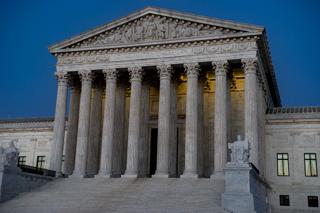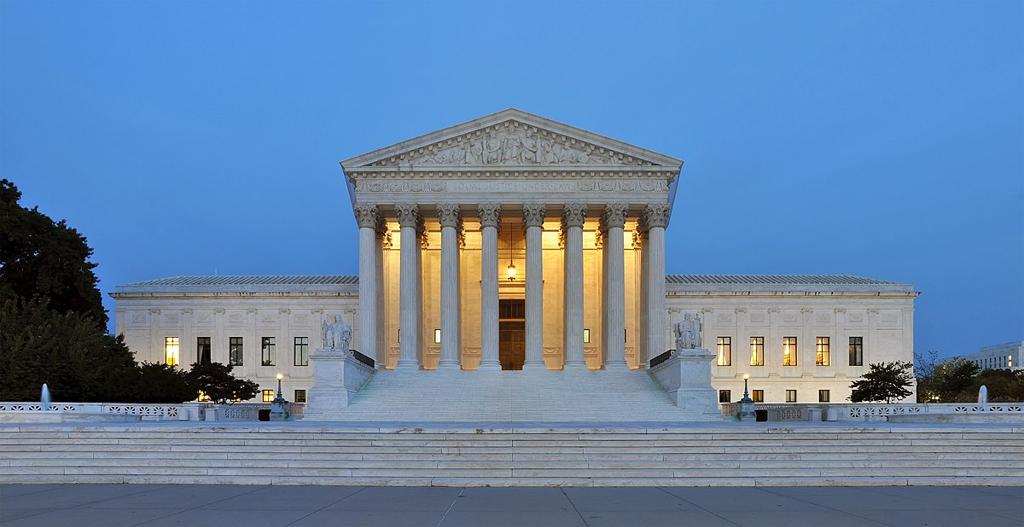
The U.S. Supreme Court ruled on Wednesday that Louisiana's use of race in its congressional redistricting process violated the Constitution, significantly limiting states' ability to create majority-minority districts. The decision, rendered in the case Louisiana v. Callais, underscores the ongoing debate over how to balance racial representation with constitutional principles in electoral maps.
Explainer Redistricting Unveiled: How It Shapes American Elections and Governance
The ruling raises critical questions about the interpretation of the Voting Rights Act and its implications for future redistricting efforts nationwide. The majority opinion, authored by Associate Justice Samuel Alito, emphasized that compliance with the Voting Rights Act should not compel states to engage in race-based discrimination, which the Constitution prohibits.
The case arose after Louisiana's legislature created a second majority-black congressional district in response to a lower court's ruling that its original map, which included only one majority-black district, likely violated Section 2 of the Voting Rights Act. However, this new map prompted a lawsuit from different plaintiffs who argued that the creation of the second majority-minority district constituted an unconstitutional racial gerrymander. A lower court sided with these plaintiffs, leading to the Supreme Court's review.
Key Details
In his majority opinion, Alito stated, "Correctly understood, §2 does not impose liability at odds with the Constitution, and it should not have imposed liability on Louisiana for its 2022 map." He added that the state’s attempt to comply with the lower court's ruling resulted in an unconstitutional racial gerrymander.
Background and Reactions
Associate Justice Clarence Thomas, in a concurring opinion, went further, asserting that Section 2 of the Voting Rights Act does not regulate districting at all. He argued that the provisions of the Act focus on voting qualifications and procedures, not on how states draw district lines. "The words in §2 instead reach only enactments that regulate citizens’ access to the ballot or the processes for counting a ballot; they do not include a State’s choice of one districting scheme over another," Thomas wrote.
The dissenting opinion, authored by Associate Justice Elena Kagan and joined by Justices Sonia Sotomayor and Ketanji Brown Jackson, expressed concern that the ruling would allow states to dilute minority voting power without legal repercussions. Kagan stated, "I dissent because the Court betrays its duty to faithfully implement the great statute Congress wrote."
Critics of the ruling argue that it undermines the progress made in ensuring racial equality in electoral opportunities. They contend that the decision could lead to a decrease in minority representation in Congress and state legislatures. Supporters of the ruling, however, maintain that it restores constitutional integrity by preventing race-based gerrymandering.
The implications of this ruling extend beyond Louisiana, as it sets a precedent for how states across the country may approach redistricting in the future. Legal experts suggest that this decision could lead to challenges in other states where similar race-based redistricting practices are in place.
As states prepare for the next round of redistricting, the Supreme Court's ruling will likely influence their strategies and the legal frameworks they employ. The decision highlights the ongoing tension between ensuring fair representation for minority groups and adhering to constitutional principles regarding race and discrimination.
The ruling has sparked a renewed debate over the effectiveness of the Voting Rights Act in its current form and whether it adequately protects minority voters while respecting constitutional boundaries. As the nation moves forward, the balance between these competing interests will remain a critical issue in the political landscape.