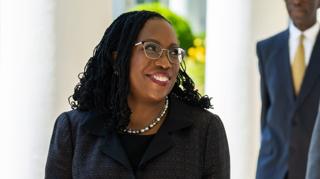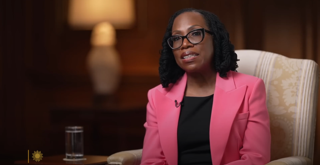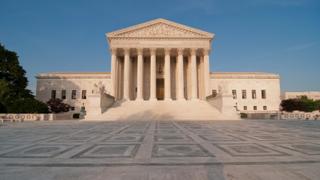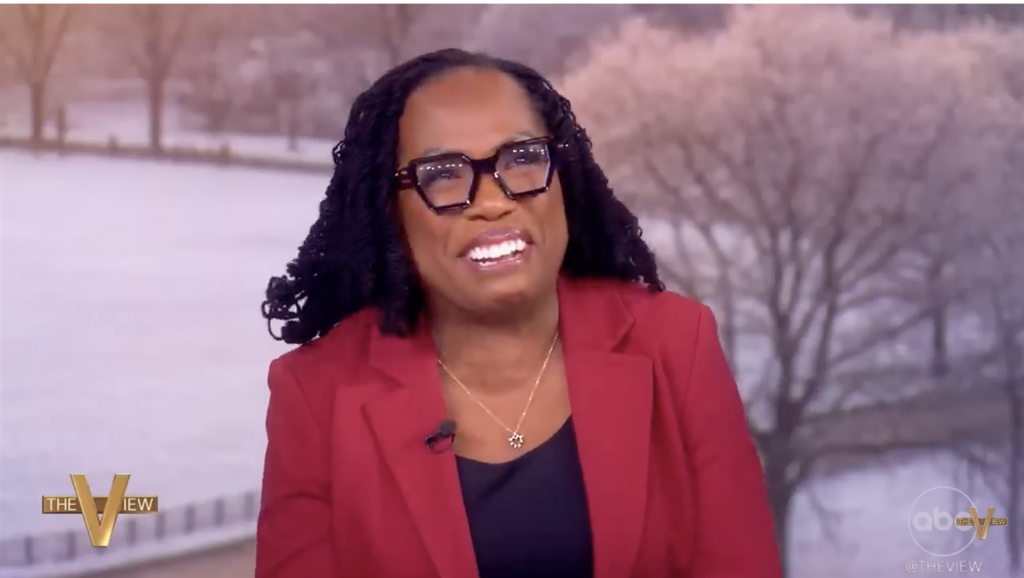
Justice Ketanji Brown Jackson's comments during oral arguments on a birthright citizenship case have drawn significant criticism for their legal reasoning. The case, Trump v. Barbara, examines the constitutionality of birthright citizenship as outlined in the Fourteenth Amendment, which grants citizenship to anyone born in the United States. Critics argue that Jackson's interpretation could undermine the original intent of the amendment, raising concerns about its application in contemporary contexts.
The core issue at stake is whether the Fourteenth Amendment should apply to children born to unauthorized immigrants or temporary visitors in the U.S. Jackson's remarks during the proceedings suggested a broad interpretation of allegiance and citizenship, which some legal experts believe could set a precedent for future immigration policies. This interpretation is particularly contentious given the historical context of the amendment's ratification and its intended scope.
The Supreme Court case stems from former President Donald Trump's executive order aimed at ending birthright citizenship, a policy he has criticized as unique to the U.S. Trump stated on his social media platform that the U.S. is "the only Country in the World STUPID enough to allow 'Birthright' Citizenship!" However, Pew Research indicates that 32 other countries also offer similar citizenship rights, challenging the notion that the U.S. stands alone in this regard.
Jackson's Allegiance Argument
During the hearing, Jackson posed a hypothetical scenario in which she, as a U.S. citizen, would be subject to Japanese law if she committed a crime while visiting Japan. "I was thinking, I, a U.S. citizen am visiting Japan. And what it means is that if I steal someone’s wallet in Japan, the Japanese authorities can arrest me and prosecute me," she said. Critics argue that this analogy does not accurately reflect the complexities of citizenship and allegiance in the context of U.S. immigration law, as it oversimplifies the legal framework governing citizenship rights.
U.S. Solicitor General D. John Sauer pointed out that for decades after the Fourteenth Amendment was ratified, it was understood that children born to temporary workers were not granted citizenship. This historical context raises questions about the application of the amendment to current immigration practices, suggesting that Jackson's interpretation may not align with longstanding legal precedents.
Legal Implications and Reactions
Jackson's comments have sparked backlash from various legal commentators and political figures. Some have labeled her reasoning as "insanely idiotic," suggesting that it undermines the legal framework surrounding citizenship. The debate highlights a growing divide over immigration policy and the interpretation of constitutional rights, with advocates on both sides passionately defending their positions.
Supporters of birthright citizenship argue that it is a fundamental principle that ensures equality and protection under the law for all individuals born in the U.S. They contend that changing this policy could lead to significant legal and social ramifications, potentially disenfranchising a large segment of the population. However, critics maintain that the current interpretation allows for abuses of the system, particularly concerning unauthorized immigration, and argue for a reevaluation of the policy.
Broader Context of the Debate
The discussion surrounding birthright citizenship is part of a larger national conversation about immigration reform and the legal rights of individuals in the U.S. Jackson's dissenting vote in a recent First Amendment case further illustrates her judicial philosophy, which some view as prioritizing progressive values over traditional interpretations of the law. In that case, the Supreme Court ruled 8-1 that a Colorado law violated the speech rights of counselors, with Jackson being the only dissenting voice. Her stance has raised concerns among some legal analysts about her approach to constitutional rights and state authority, suggesting a potential shift in how such issues may be adjudicated in the future.
As the Supreme Court prepares to issue a ruling on the birthright citizenship case, the implications of Jackson's comments and the broader debate on immigration policy remain critical issues for lawmakers and citizens alike. The outcome could reshape the legal landscape surrounding citizenship and immigration in the United States for years to come, influencing not only legal interpretations but also public sentiment and policy decisions regarding immigration.