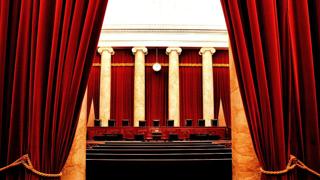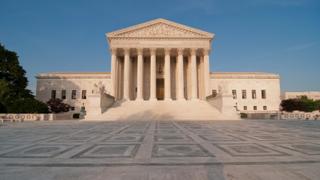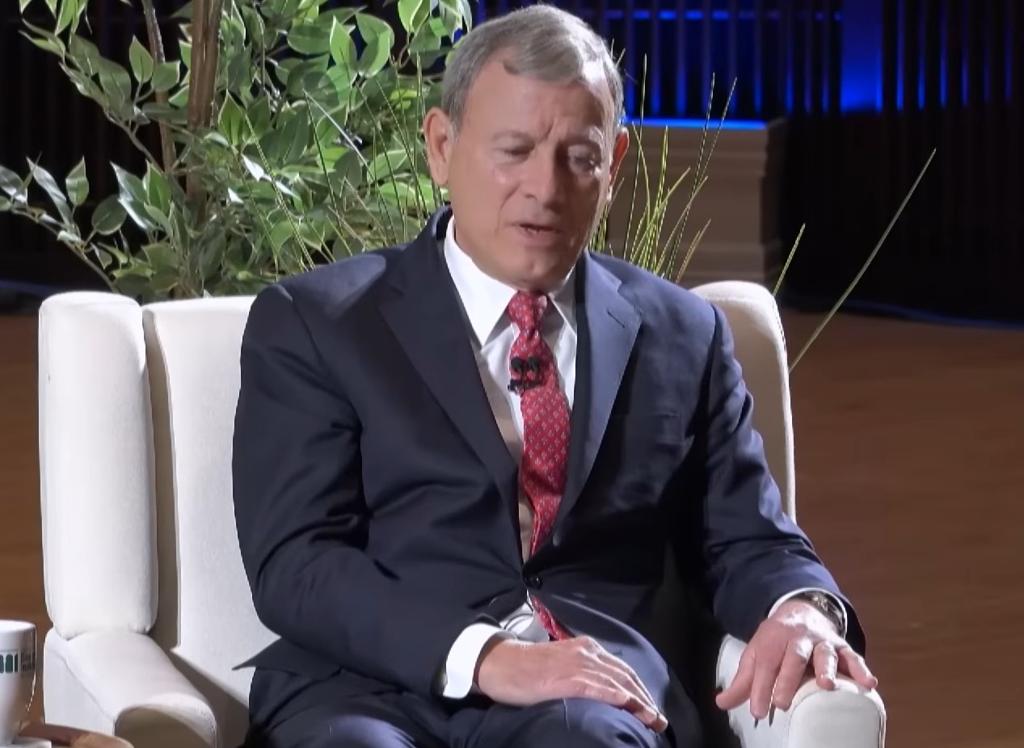
The U.S. Supreme Court heard oral arguments on Wednesday regarding the Trump administration's challenge to the longstanding interpretation of the 14th Amendment, which grants citizenship to anyone born on U.S. soil. This case has the potential to redefine the legal framework surrounding birthright citizenship, a practice that critics argue has been exploited through what is known as birth tourism.
The core issue at stake is whether the Supreme Court will uphold the current interpretation of the 14th Amendment, which many legal experts and scholars believe allows foreigners to gain citizenship simply by being born in the United States. A ruling in favor of this interpretation could signal a significant shift in how the court views immigration and citizenship, potentially undermining public confidence in its authority and decisions.
The 14th Amendment was ratified in 1868, primarily to ensure citizenship for formerly enslaved individuals following the Civil War. During the hearing, Justice Clarence Thomas emphasized this historical context, questioning how much of the amendment's debates and discussions were actually related to immigration issues. U.S. Solicitor General John Sauer echoed this sentiment, noting that the original intent of the amendment was not to facilitate what he described as an "international migration boondoggle," referring to the practice of birth tourism.
Birth Tourism Concerns
Sauer raised significant concerns about the phenomenon of "birth tourism," where pregnant women travel to the U.S. specifically to give birth, thereby securing citizenship for their children. He highlighted that there are over 1,000 businesses in China dedicated to this practice, which has gained traction in recent years. This has prompted discussions about the implications of granting citizenship based on birth location rather than parental status, raising questions about the integrity of the citizenship process.
Chief Justice John Roberts engaged with Sauer on the topic, asking about the prevalence of birth tourism in the United States. Sauer acknowledged the uncertainty surrounding the exact numbers of individuals participating in this practice but stressed that the situation has evolved significantly over time. Roberts responded, "It’s a new world, it’s the same Constitution," suggesting a need to balance contemporary realities with the foundational principles outlined in the Constitution.
Judicial Authority at Stake
Critics of the current interpretation argue that upholding birthright citizenship as it stands would further erode trust in the Supreme Court. They contend that such a decision would imply that the court disregards the rights of American citizens in favor of accommodating unauthorized immigrants. This perspective raises important questions about the court's role as a guardian of the Constitution, especially in light of its conservative majority, which may influence its decisions.
Justice Thomas's remarks reflect a growing concern among some justices about the implications of the court's decisions on public perception and trust. If the court affirms the existing interpretation of the 14th Amendment, it could be seen as legitimizing a system that many believe undermines American sovereignty and citizenship. This could lead to increased public skepticism regarding the court's commitment to upholding the Constitution and protecting the rights of American citizens.
Supporters of birthright citizenship argue that it is a fundamental principle rooted in the Constitution. They contend that it ensures equality and prevents discrimination based on nationality, which is a core tenet of American values. However, the Trump administration's challenge has reignited debates about the amendment's relevance in today's complex immigration landscape, highlighting the ongoing tensions between immigration policy and constitutional rights.
Implications for the Future
The Supreme Court's decision on this matter could have far-reaching implications for immigration policy and citizenship rights in the United States. A ruling that upholds the current interpretation of birthright citizenship may lead to increased scrutiny of immigration practices and policies, particularly those related to birth tourism and the broader implications of citizenship by birth.
As the justices deliberate, the American public watches closely, aware that the outcome could redefine the legal landscape surrounding citizenship for generations to come. The court's ruling will not only impact those currently navigating the immigration system but also shape the broader discourse on national identity and belonging in the United States. The stakes are high, and the implications of this decision will resonate throughout society, influencing future generations and the ongoing conversation about what it means to be an American.