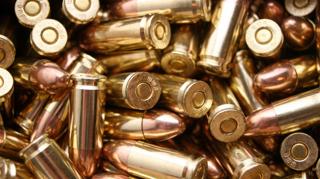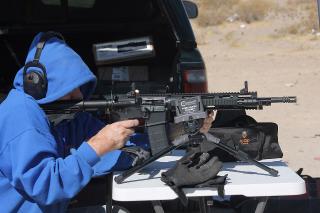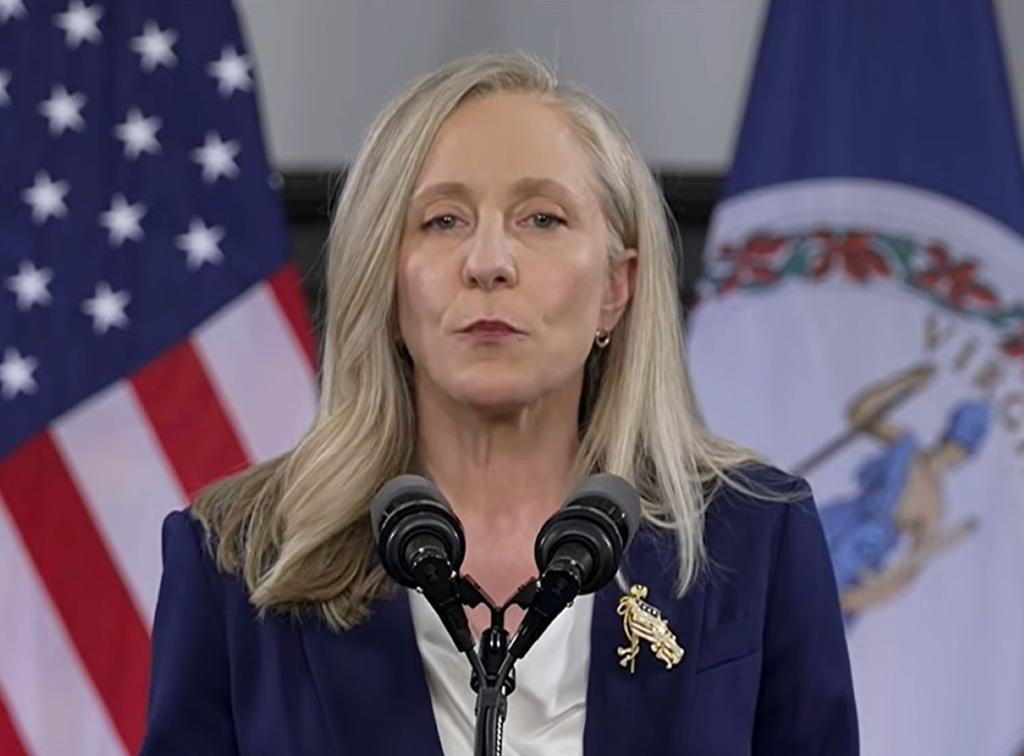
Multiple Second Amendment rights advocates have filed lawsuits against Virginia’s police superintendent following the signing of a law by Governor Abigail Spanberger that bans many semi-automatic firearms and standard-capacity magazines. The law, effective July 1, criminalizes the purchase, sale, transfer, manufacture, and importation of a wide range of commonly owned semi-automatic handguns, shotguns, and rifles, including the AR-15, which is among the most popular rifles in the United States.
Explainer Navigating Virginia's Electoral Landscape: Key Issues and Reforms
The core issue revolves around the balance between public safety measures and Second Amendment rights, as critics argue that the new legislation infringes on constitutional protections. The National Rifle Association (NRA), one of the plaintiffs, contends that the law violates the rights of Virginians to keep and bear arms, a claim echoed by other organizations involved in the lawsuits.
The law was authored by Democrat state Senator Saddam Azlan Salim, who has been a prominent advocate for stricter gun control measures in the state. In response to the legislation, the NRA, Firearms Policy Coalition (FPC), and the Second Amendment Foundation (SAF) have initiated a federal lawsuit, while the Virginia Citizens Defense League (VCDL) and Gun Owners of America (GOA) have filed separate lawsuits in state court. Additionally, multiple firearm retailers and gun ranges have joined the legal challenges.
Key Details
All lawsuits name Jeffrey S. Katz, superintendent of the Virginia State Police, as the defendant. The NRA lawsuit also includes Goochland County Commonwealth Attorney John L. Lumpkins Jr. and Sheriff Steven Creasey, as well as Prince William County Commonwealth Attorney Amy Ashworth and Sheriff Glendell Hill. Plaintiffs Justin McDonald and Anthony Groeneveld are residents of Goochland and Prince William, respectively, and are members of the NRA, FPC, and SAF.
Background and Reactions
The NRA's legal argument cites U.S. Supreme Court precedents, including New York State Rifle & Pistol Association, Inc. v. Bruen and District of Columbia v. Heller, asserting that the gun and magazine bans are unconstitutional. The lawsuit argues, "By prohibiting Plaintiffs from acquiring common semiautomatic firearms and ammunition magazines, Virginia has prevented them from ‘keeping and bearing Arms’ within the meaning of the Amendment’s text."
John Commerford, executive director of the NRA Institute for Legislative Action, criticized the legislation as a blatant violation of Second Amendment rights. He stated, "We made it clear that this extreme anti-gun proposal, which bans the new purchase of commonly owned firearms and standard capacity magazines in the Commonwealth, is a blatant violation of Second Amendment rights and an affront to landmark Supreme Court cases."
The lawsuits also highlight the widespread ownership of the banned firearms and magazines in Virginia, arguing that the legislation cannot meet the historical standards required for such regulations. The VCDL lawsuit references the Virginia Constitution, which has affirmed the right to bear arms since 1776, and argues that the new law undermines this long-standing right.
As the legal battles unfold, the outcome may hinge on whether lower courts will adhere to the precedents set by the Supreme Court regarding Second Amendment rights. Critics of the law express concern that lower courts have historically disregarded Supreme Court rulings on gun rights, and there is uncertainty about whether the high court will intervene in this case.
The NRA lawsuit emphasizes that the ownership of the types of firearms and magazines banned by the new law is common in Virginia, suggesting that the legislation fails to meet the criteria of being "dangerous and unusual" as outlined by Justice Samuel Alito. The suit argues that the government must demonstrate that its regulations are consistent with the nation’s historical tradition of firearm regulation.
While advocates for gun control argue that such measures are necessary for public safety, the legal challenges underscore a significant divide over the interpretation of Second Amendment rights. Supporters of the law have not publicly responded to the lawsuits, leaving the legal landscape uncertain as the cases move forward.
As the situation develops, the implications of these lawsuits could extend beyond Virginia, potentially influencing similar legislative efforts and legal challenges in other states. The outcome may also prompt further scrutiny of how Second Amendment rights are interpreted and enforced in the United States.