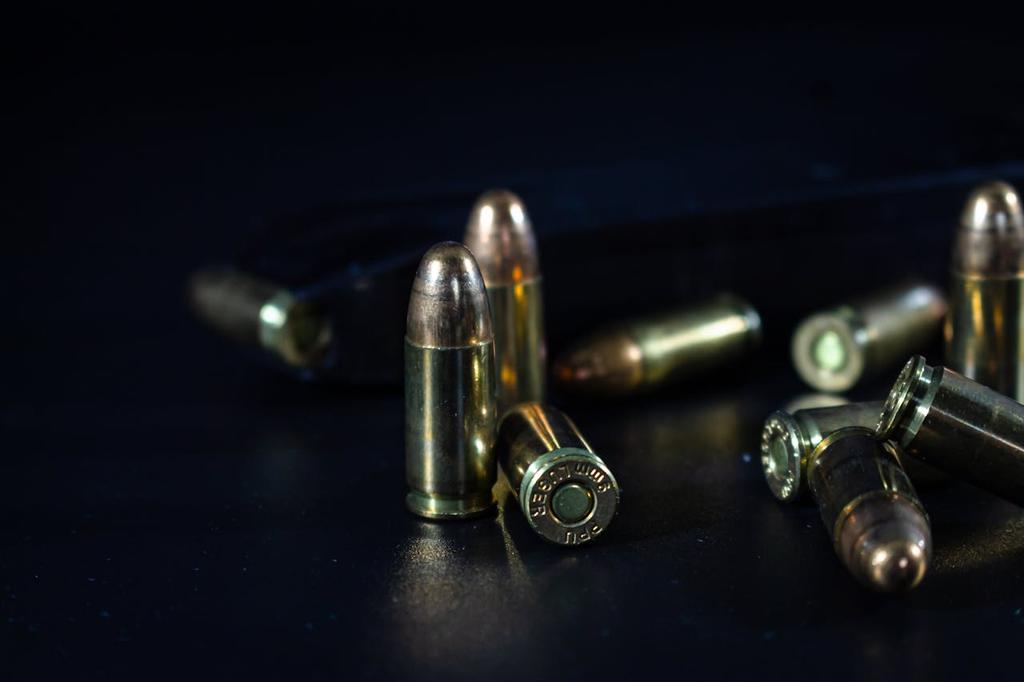
A federal appeals court ruled on Thursday that Washington, D.C.’s restriction on firearm magazines capable of holding more than 10 rounds is unconstitutional. The 2-1 decision from the D.C. Circuit Court of Appeals found that the ban violates the Second Amendment rights of individuals. This ruling marks a significant legal precedent regarding gun rights in the nation’s capital and contributes to the ongoing national debate over gun control and the interpretation of the Second Amendment.
Explainer Navigating Virginia's Electoral Landscape: Key Issues and Reforms
The case involved plaintiff Tyree Benson, who raised critical questions about the balance between public safety and individual rights. The majority opinion, authored by Judge Joshua Deahl, stated, "Magazines capable of holding more than 10 rounds of ammunition are ubiquitous in our country, numbering in the hundreds of millions... Because these magazines are arms in common and ubiquitous use by law-abiding citizens across this country, we agree with Benson and the United States that the District’s outright ban on them violates the Second Amendment." Judge Deahl was joined in the majority by Judge Catharine Easterly, while Chief Judge Anna Blackburne-Rigsby dissented.
Benson was charged with multiple gun-related offenses after police found him in possession of a semiautomatic firearm equipped with a 30-round magazine. He challenged the legality of D.C.’s firearm restrictions, arguing that they violated his Second Amendment rights. Initially, the district court denied his motions, leading to his conviction and subsequent probation.
In its ruling, the appeals court voided Benson’s conviction for violating the magazine capacity ban. The court stated that he could not have legally registered or licensed his firearm due to the magazine’s capacity. Additionally, the court dismissed his convictions for possession of an unregistered firearm and unlawful possession of ammunition, further reinforcing the implications of the ruling.
Dissenting Opinion
In her dissent, Blackburne-Rigsby argued that the majority’s ruling contradicts Supreme Court precedent and decisions from other courts that have upheld similar restrictions. She stated, "The District’s LCM ban should survive Mr. Benson’s facial challenge to its constitutionality because there are numerous circumstances to which the LCM ban lawfully applies." Blackburne-Rigsby maintained that the ban is constitutional and should be upheld, emphasizing the need for regulations that address public safety concerns. Critics of the ruling have expressed concern that it may lead to increased gun violence, while supporters argue it reinforces individual rights.
Broader Implications
The constitutionality of restrictions on high-capacity magazines has been a contentious issue in federal courts for years. The ruling comes at a time when similar cases, such as Duncan v. Bonta, are pending before the U.S. Supreme Court. These cases could further clarify the legal landscape surrounding gun rights and restrictions on firearm accessories.
Legal experts suggest that the D.C. ruling may influence other jurisdictions considering similar bans. The Supreme Court's eventual decision on related cases could set a national precedent regarding the legality of magazine capacity restrictions. As the debate continues, the implications of this ruling extend beyond D.C., potentially affecting gun laws in other states.
Supporters of gun rights view the decision as a victory for individual liberties, while advocates for gun control express concerns about the potential consequences for public safety. The D.C. Circuit’s decision does not address other aspects of Benson’s case, including his challenges to the district’s gun registration and licensing requirements, leaving those issues unresolved for now. This ruling highlights the complex interplay between constitutional rights and legislative efforts to regulate firearms in the interest of public safety, a topic that remains highly relevant in contemporary discussions about gun legislation.