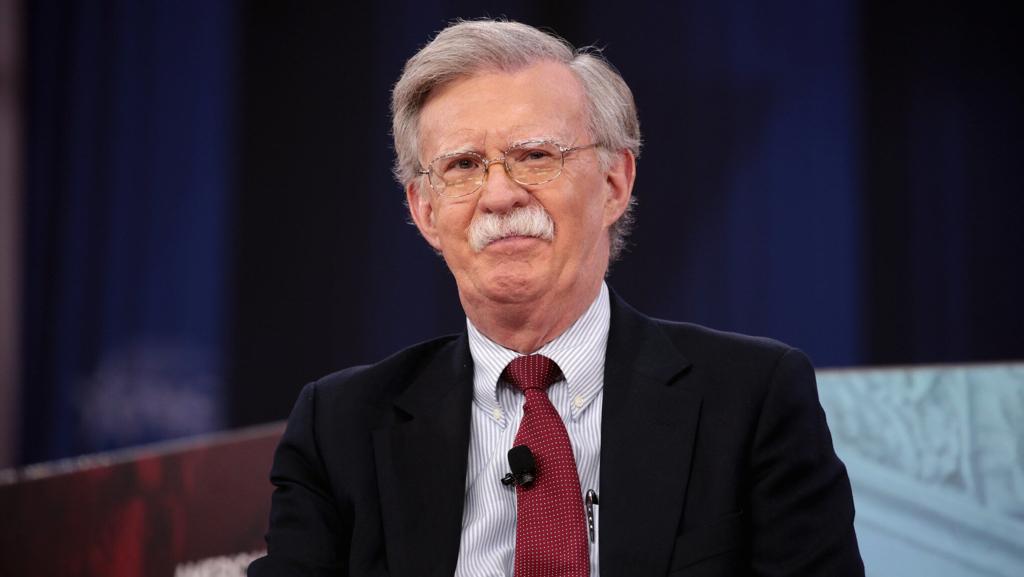
Former National Security Advisor John Bolton has agreed to a plea deal regarding his alleged mishandling of classified documents, according to reports from the Associated Press. Bolton is set to plead guilty to one count of retaining classified information, having been indicted on 18 counts last October related to his alleged leaking of national security secrets while writing a memoir. Under the terms of the plea deal, he will pay a $2.25 million fine and may avoid prison time altogether, which is a significant development in a case that has garnered considerable attention.
This development raises significant questions about Bolton's previous assertions that he was a victim of a politically motivated investigation by the Department of Justice (DOJ). Critics argue that his guilty plea contradicts his claims of being targeted for political reasons, while supporters of the DOJ maintain that the legal process is functioning as intended and that the plea reflects the seriousness of the charges against him.
In the wake of his indictment, Bolton characterized the charges as part of a broader pattern of weaponization of the Justice Department against political adversaries. "I have become the latest target in weaponizing the Justice Department to charge those he deems to be his enemies with charges that were declined before or distort the facts," Bolton stated following the indictment. His comments were echoed by various media outlets that framed the investigation as politically motivated, suggesting that the timing and nature of the charges were influenced by political considerations.
Media Framing of the Indictment
Following Bolton's indictment, several media outlets emphasized the narrative of political retribution. For instance, Politico reported that the charges against Bolton came amid President Donald Trump’s pressure on the DOJ to pursue criminal indictments of his political foes. Similarly, CNBC highlighted that Bolton was the third high-profile Trump opponent to face criminal charges in recent weeks, suggesting a pattern of retaliation against those who opposed Trump.
However, many reports overlooked the fact that the investigation into Bolton began prior to Trump’s second term. The Associated Press noted that this detail undermines the narrative of personal revenge, yet many media outlets continued to promote Bolton's framing of the situation. Critics argue that this approach reflects a bias in reporting, prioritizing sensational narratives over factual accuracy and failing to provide a complete picture of the timeline and motivations behind the investigation.
Implications of the Plea Deal
Bolton’s decision to plead guilty not only raises questions about his past claims but also challenges the credibility of the media narratives surrounding his indictment. By admitting to a crime, Bolton has weakened his position that he was a victim of political persecution. This shift may lead to a reevaluation of how the media covers similar cases in the future, as the implications of his plea could influence public perception of both Bolton and the DOJ.
While Bolton's guilty plea casts doubt on his previous assertions, it remains to be seen how this will affect public perception of the DOJ and its investigations. Supporters of the DOJ argue that the legal system is working as it should, emphasizing the importance of accountability in cases involving classified information. Conversely, critics may continue to view the situation through a lens of political bias, suggesting that the DOJ's actions are still influenced by the political climate.
In the wake of Bolton's plea, it is unclear whether he will face additional legal consequences or if this will mark the end of his legal troubles. The implications of this case extend beyond Bolton himself, as it touches on broader themes of accountability and the relationship between politics and the justice system. The outcome of this case may set a precedent for how similar cases are handled in the future, particularly in the context of political figures and classified information.
Conclusion
Bolton's plea deal serves as a pivotal moment in a case that has drawn significant media attention and public interest. As the narrative surrounding his indictment continues to evolve, it remains essential to consider the facts and the context in which they are presented. The outcome of this case may have lasting effects on perceptions of the DOJ and its role in political investigations, as well as the broader implications for accountability in government. The legal ramifications for Bolton and the potential impact on the political landscape will be closely monitored in the coming months.