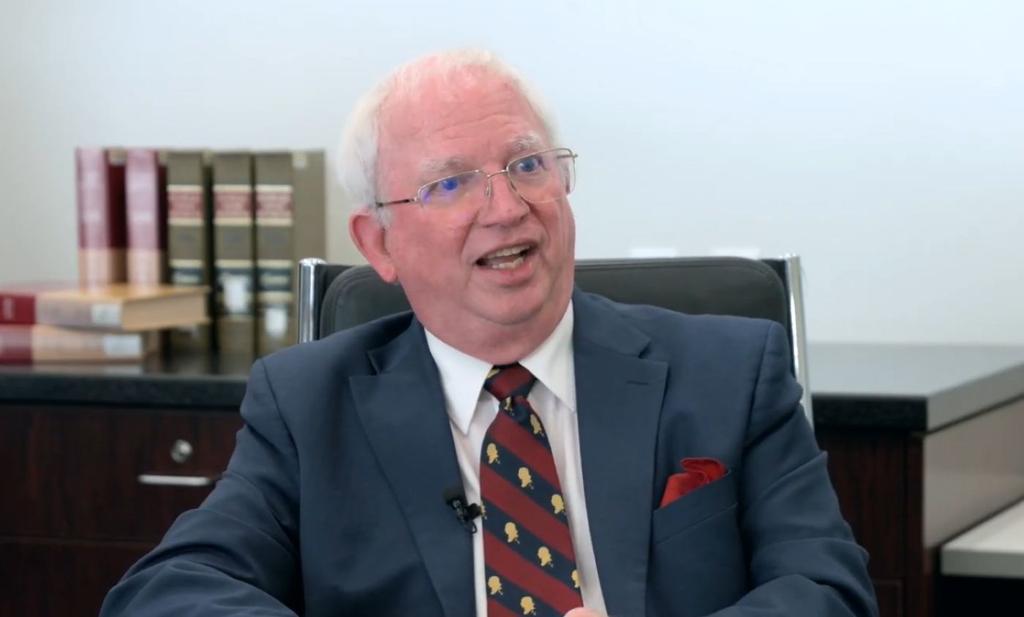
John Eastman, a former attorney for Donald Trump, has been disbarred by the California Bar Association due to his involvement in challenging the 2020 election results. This decision has ignited significant debate regarding perceived political bias within the legal system, particularly in how conservative figures are treated compared to their liberal counterparts. The disbarment has raised concerns about fairness and impartiality in legal proceedings, especially in politically charged cases.
The core tension surrounding Eastman's disbarment arises from allegations that it reflects a broader trend of politicization in legal discipline. Critics argue that conservative lawyers often face harsher penalties than their liberal peers, creating a chilling effect on legal representation for individuals associated with conservative causes. This situation has led to questions about the integrity of the legal profession and whether political affiliations should influence disciplinary actions.
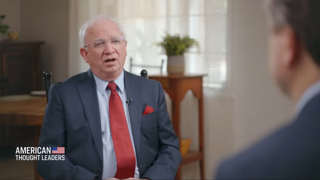
Eastman, who represented Trump in litigation contesting the election results, expressed his views on the matter, stating, "What’s going on here is a leftist Marxist capture of our institutions and then weaponizing them to destroy any political opposition to the deep globalist state that is getting entrenched in this country." His disbarment has been framed by supporters as part of a systematic effort to undermine conservative legal representation and silence dissenting voices within the legal community.
Claims of a Two-Tiered Justice System
Jeffrey Clark, a former Trump official, echoed these sentiments, asserting that the legal system operates on a two-tiered basis. He claimed that while Eastman faced disbarment for representing a disfavored client, others, such as former FBI lawyer Kevin Clinesmith, received leniency despite serious misconduct. Clinesmith was convicted of lying on a FISA warrant and was reinstated to the D.C. Bar after serving a one-year suspension.
Clark criticized the California Bar's decision, stating, "John [Eastman] represented the President in litigation challenging an election. That’s all. He lied about nothing. Reasonable minds can disagree about the 2020 election." He argued that the legal community's treatment of Eastman reflects a broader disdain for Trump and his associates, suggesting that political bias may have influenced the disciplinary action taken against Eastman.
Eastman's Response and Legal Challenges
In response to his disbarment, Eastman has initiated fundraising efforts for a legal defense fund as he seeks a ruling from the U.S. Supreme Court to overturn the decision. He maintains that his actions were within the bounds of legal representation and that the disbarment is an attempt to silence conservative voices in the legal field. Eastman believes that his case exemplifies a troubling trend where legal professionals are penalized for their political affiliations.
Harmeet Dhillon, U.S. Assistant Attorney General for Civil Rights, also criticized the disbarment, labeling it an "outrageous persecution of a lawyer for giving advice to his client — the President." She emphasized the potential implications for legal professionals who may fear repercussions for representing controversial clients, arguing that such fears could deter lawyers from taking on cases that are politically sensitive or unpopular.
Balancing Perspectives
While Eastman and his supporters argue that the disbarment is politically motivated, critics of Eastman’s actions contend that his legal strategies were not only controversial but also undermined the integrity of the electoral process. They assert that legal professionals have a responsibility to uphold the law and that Eastman’s tactics crossed ethical lines. This perspective highlights the tension between legal ethics and political advocacy, raising questions about the role of lawyers in contentious political environments.
The California Bar Association has not publicly responded to the specific criticisms regarding the perceived bias in its disciplinary actions. Supporters of the Bar's decision argue that it is essential to maintain ethical standards in the legal profession, regardless of political affiliation. They contend that the integrity of the legal system must be preserved to ensure public trust and accountability.
As Eastman navigates the appeals process, the debate over political bias in legal discipline continues to intensify. This ongoing discussion raises important questions about the future of legal representation for individuals associated with controversial political movements. The outcome of Eastman's case may have lasting implications for the legal community and the broader political landscape, potentially influencing how legal professionals approach politically charged cases in the future.