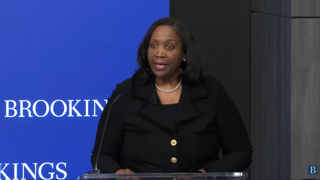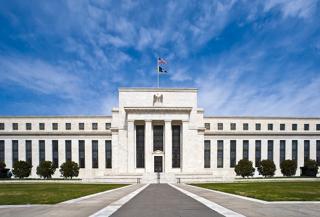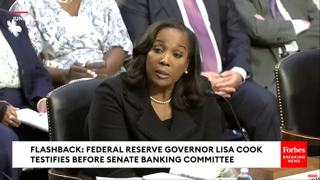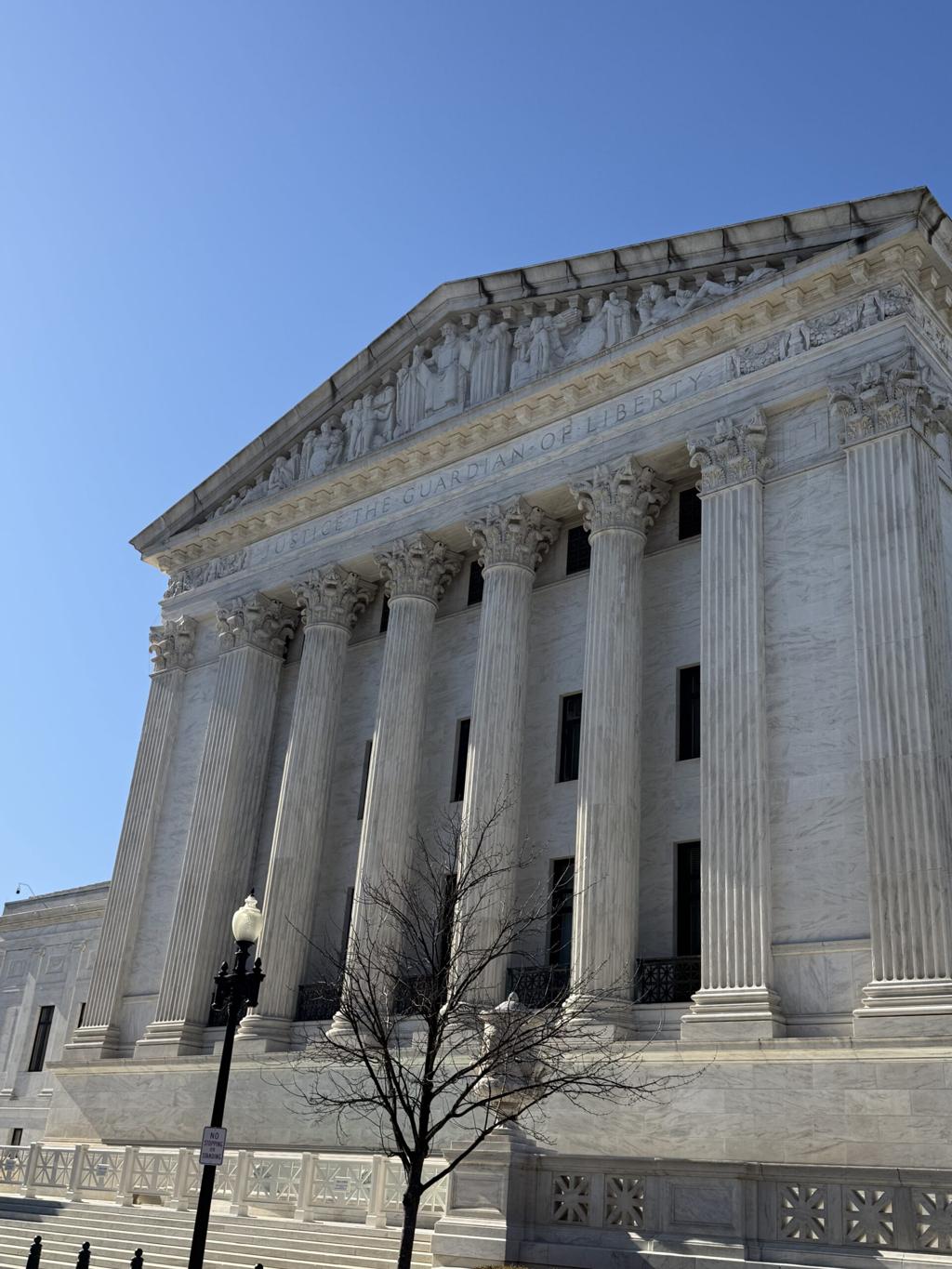
The U.S. Supreme Court heard arguments Wednesday regarding President Donald Trump’s authority to remove Lisa Cook from the Federal Reserve Board of Governors, signaling potential divisions among justices on the matter. The case, known as Trump v. Cook, centers on Trump’s August decision to fire Cook over allegations of mortgage fraud prior to her appointment, which has raised questions about the limits of presidential power in such removals.
At the heart of the case is the interpretation of federal law concerning the removal of Federal Reserve officials. U.S. Solicitor General John Sauer argued that Trump had the lawful authority to dismiss Cook, asserting that her alleged misconduct met the “for cause” requirement outlined in the law. Critics, however, warn that allowing such removals could undermine the independence of the Federal Reserve, a concern echoed by some justices during the hearing.
The controversy began when a Biden-appointed district judge granted Cook a preliminary injunction to block her termination, prompting the Trump administration to appeal to the Supreme Court. The justices deferred a ruling on the administration's request for a stay in October, opting to hear oral arguments first.
Arguments for Presidential Authority
During the hearing, Sauer emphasized that Cook’s alleged mortgage fraud constituted sufficient grounds for her removal. He described her actions as deceitful and “at best, grossly negligent.” Sauer contended that Cook’s claims regarding her right to a hearing before removal contradicted established court precedents that require explicit language to limit presidential authority.
Chief Justice John Roberts challenged Sauer’s assertions, questioning the extent of presidential discretion in such matters. He asked, “If you’re correct that courts do not have the authority to reinstate a removed officer, why are we wasting our time wondering if there’s cause or not?” This line of questioning suggested a potential concern among justices about the implications of granting broad removal powers to the president.
Concerns About Federal Reserve Independence
Associate Justice Brett Kavanaugh expressed apprehension about the potential erosion of the Federal Reserve’s independence if the court were to side with the administration. He noted that the precedent set by this case could allow future presidents to remove Fed members based on trivial or outdated allegations. Kavanaugh remarked, “That would weaken, if not shatter, the independence of the Federal Reserve.”
Justice Kavanaugh also highlighted the risks of a political precedent where a new president could exploit such authority to dismiss Fed officials, raising concerns about the politicization of the central bank. He stated, “Once these tools are unleashed, they are used by both sides and usually more the second time around.”
Opposition from Democratic Appointees
The court’s Democratic appointees also voiced skepticism about the administration’s arguments. Associate Justice Sonia Sotomayor called Trump’s firing of Cook “unprecedented” and warned of potential harms to the Fed’s independence if the court acted too quickly. Justice Ketanji Brown Jackson pressed Sauer on the evidence supporting claims of irreparable harm to the administration if Cook remained in her position during litigation.
Cook’s attorney, Paul Clement, faced tough questioning from the justices regarding the legal standards for removal. Justice Clarence Thomas pointed out that the statute does not explicitly require a hearing before removal, while Justice Alito questioned whether serious misconduct prior to taking office would not qualify as grounds for removal. Alito’s inquiries suggested a broader concern about the implications of the administration’s position on the standards for “for cause” removals.
Awaiting a Decision
The Supreme Court is not expected to issue a decision in Trump v. Cook until later in the 2025-2026 term. The case has significant implications for the balance of power between the executive branch and independent federal agencies, particularly regarding the Federal Reserve’s autonomy. As the justices deliberate, the outcome could reshape the legal landscape surrounding presidential authority and the independence of key governmental institutions.