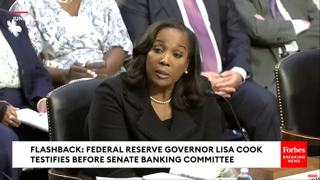
The Justice Department has requested that the U.S. Supreme Court intervene to stop lower court rulings that have obstructed President Trump’s attempt to remove Federal Reserve Governor Lisa Cook. This request comes after a preliminary injunction issued by District Judge Jia Cobb, appointed by President Biden, blocked the president from executing the removal.
In an emergency application filed on Thursday, the Trump administration sought a temporary stay on Cobb's ruling, which was issued last week. The administration argues that the injunction represents an overreach of judicial authority into the president's powers regarding the removal of federal officials.
Trump announced his decision to fire Cook on August 25, citing allegations of mortgage fraud related to properties she purchased in Ann Arbor, Michigan, and Atlanta in 2021, prior to her appointment to the Federal Reserve. The allegations were reportedly raised by one of Trump's appointees.
Following Cobb's ruling, the Trump administration appealed to the D.C. Circuit Court of Appeals, which declined to grant a pause on the injunction in a 2-1 decision on Monday. This prompted the administration to escalate the matter to the Supreme Court.
U.S. Solicitor General John Sauer, representing the administration, stated in the application that the case involves "improper judicial interference with the President’s removal authority." (U.S. Supreme Court) He emphasized that the Federal Reserve Act allows the president to dismiss board members "for cause" without further restrictions.
Sauer argued that the administration is likely to prevail in the case, noting that Cook does not have a Fifth Amendment property interest in her position. He contended that the district court overstepped its authority by ordering reinstatement as a remedy for the removal of a federal officer.
"The Federal Reserve Board plays a uniquely important role in the American economy, and the public has a vested interest in ensuring that its members are not ethically compromised," (U.S. Supreme Court) Sauer wrote. He added that allowing Cook to remain in her position could lead to "irreparable harm" to the administration.
Critics of the administration's move argue that the judicial system should be able to check presidential power, particularly in cases involving allegations of misconduct. They maintain that the courts have a role in ensuring accountability for federal officials.
The case, Trump v. Cook, is part of a series of legal challenges faced by the Trump administration, many of which have been expedited to the Supreme Court's emergency docket in recent months. The outcome of this case could have significant implications for the balance of power between the executive branch and the judiciary.
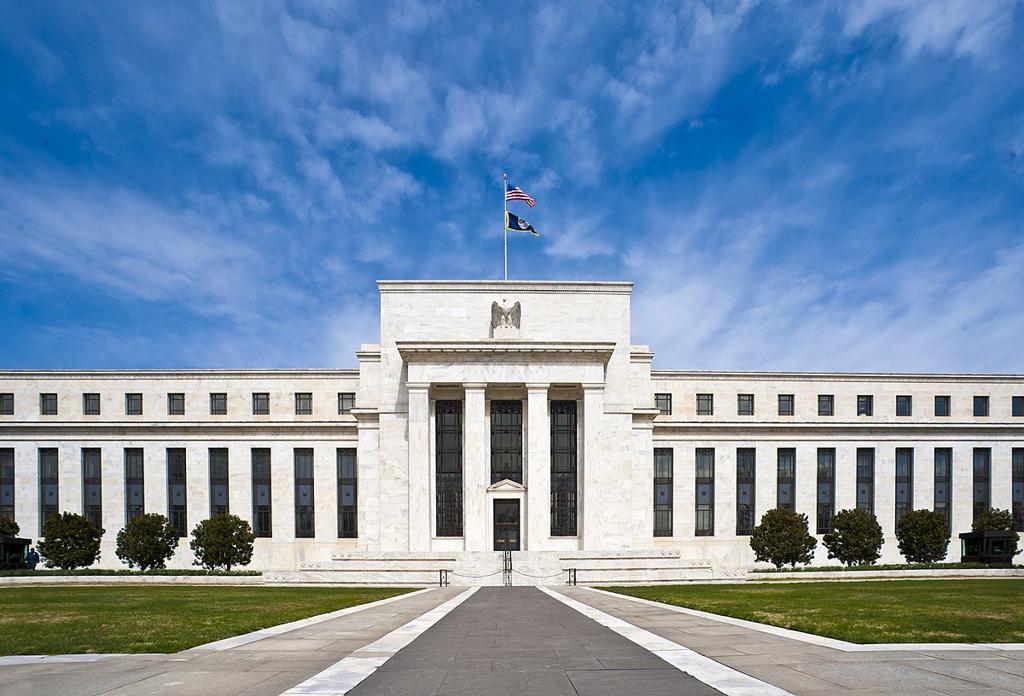
As the Supreme Court considers the application, the Trump administration is advocating for an immediate administrative stay of Cobb's injunction, arguing that the integrity of the Federal Reserve is at stake. The administration's legal team is preparing to present its case as the situation unfolds.