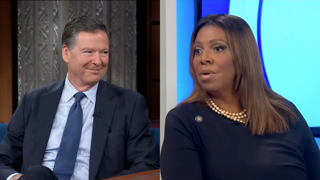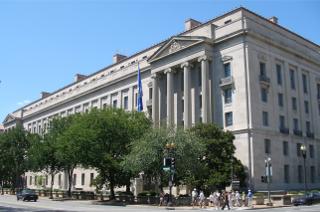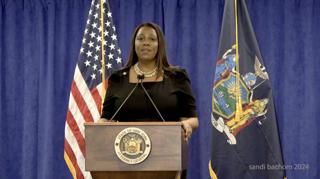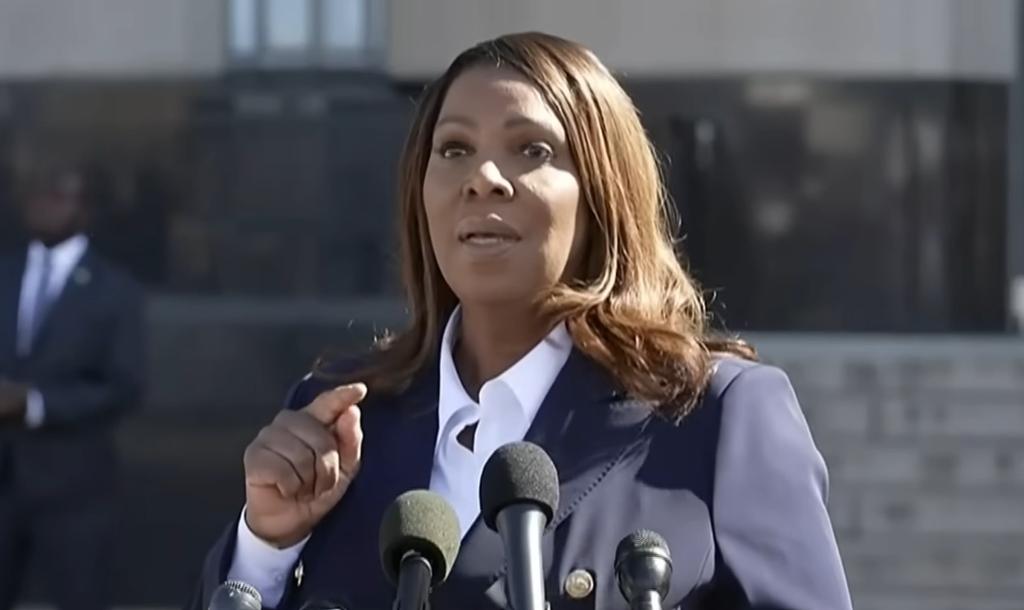
New York Attorney General Letitia James has been accused of lying to financial institutions in a mortgage fraud scheme, according to court documents released by U.S. Attorney Lindsey Halligan. James was indicted in October for allegedly falsifying records to secure loans for a home in Norfolk, Virginia, which she claimed would be her principal residence.
Explainer Navigating Virginia's Electoral Landscape: Key Issues and Reforms
The filings indicate that James knowingly provided false information on various applications, including those submitted to her lending bank, the Internal Revenue Service (IRS), and a homeowner’s insurance company. Mike Davis, founder of the Article III Project, described the prosecution as a routine case of mortgage fraud in the Eastern District of Virginia, stating, "Lindsey Halligan’s prosecution of Letitia James is a righteous, garden-variety mortgage fraud prosecution."
James purchased the Norfolk home in 2020 while serving as New York's attorney general. She allegedly claimed the property would serve as a secondary residence, but court documents reveal she never lived there. Instead, her niece occupied the home, and James collected rent from her.
According to the court filings, James stated in an Affidavit of Occupancy that the Virginia home would be a secondary residence. However, evidence suggests she stayed in hotels during visits to Norfolk, contradicting her claims. "[James] stayed in hotels during visits to Norfolk despite representing that the Peronne residence was her secondary residence," the documents state.
The filings also detail discrepancies in James's homeowner’s insurance application with Universal Property. She claimed the Virginia home was unoccupied for five months of the year, while it was actually occupied year-round by her niece and her children. James's insurance application inaccurately stated that she was the only occupant of the property.
Additionally, James filed tax documents claiming the home as an investment property, despite previously designating it as a secondary residence on her mortgage application. The court documents indicate that she took deductions consistent with an investment property for several years without amending the alleged falsehoods on her mortgage documents.
James has pleaded not guilty to the charges. The case raises questions about her conduct and the implications for her role as attorney general, particularly given her previous calls for accountability among public officials. Davis noted the irony in James's situation, referencing her attempts to pursue legal action against former President Donald Trump.
As the case unfolds, it could have significant ramifications for James and her political career. The allegations highlight the complexities of mortgage applications and the legal responsibilities of public officials in maintaining transparency and honesty in their financial dealings.