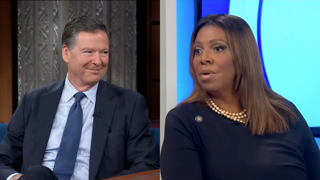
Former FBI Director James Comey's indictment in the Eastern District of Virginia became more than a single criminal case almost immediately. It also became a referendum on how independent federal prosecutors should be from political narratives in high-visibility matters.
At the center are two competing claims: first, that indicting a former senior official demonstrates accountability parity; second, that public rhetoric around the case risks eroding confidence in prosecutorial neutrality. Both claims now coexist inside the same docket.
What the indictment alleges
The filing, as reported in multiple outlets and legal trackers, centers on obstruction and false-statement theories connected to prior congressional testimony and disclosure-related disputes. In practical terms, the case depends on documentary chronology, witness consistency, and intent.
That is why the record is being watched so closely by legal observers following the wider Comey prosecution sequence. Each procedural step now carries implications for how similar cases will be framed and litigated.
Why DOJ independence is now the second case
When politically salient prosecutions emerge, there is often a parallel media case about motive. Here, concerns intensified after reports of internal disagreement and leak-driven narrative warfare around charging decisions.
Supporters of the prosecution argue independence does not mean immunity for former officials. Critics respond that independence also requires visible separation from partisan score-settling language. Both sides are effectively arguing for rule-of-law legitimacy, but defining the threat differently.
The EDVA pressure point
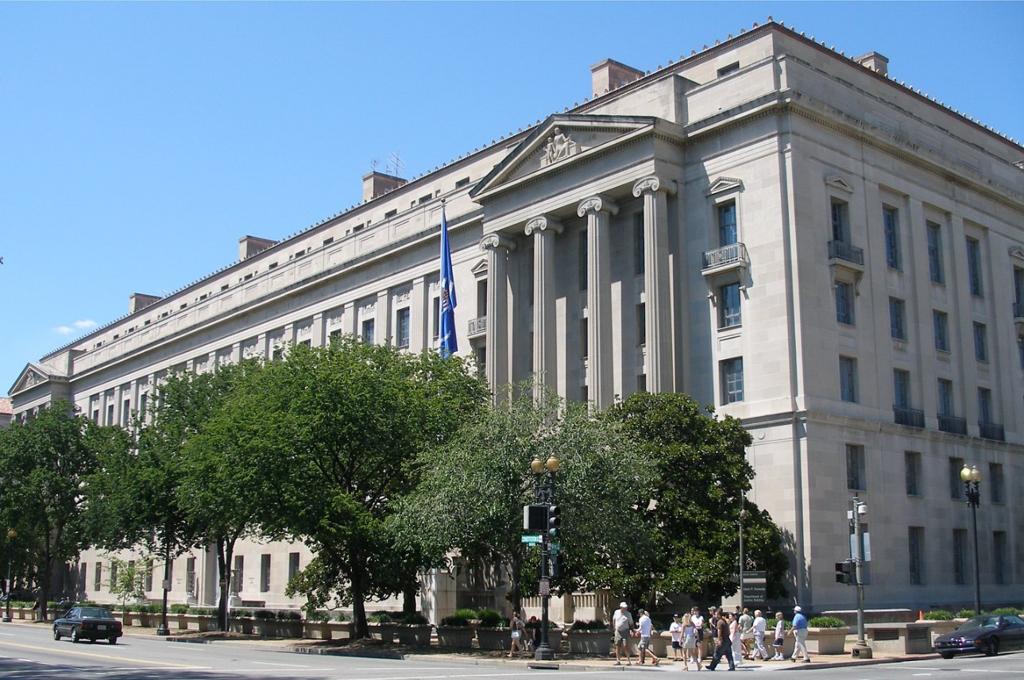
The Eastern District of Virginia has become the operational stress test. Leadership decisions, assignment choices, and courtroom conduct are being read as signals about whether the institution can enforce uniform standards under intense political scrutiny.
That includes related disputes discussed in the attorney conflict fight and broader commentary on federal charging discretion.
What would improve public confidence
The most credible path forward is procedural clarity:
- Clear, document-based argumentation in court filings.
- Consistent standards for similarly situated defendants.
- Reduced dependence on anonymous narrative shaping.
- Rulings that explain legal reasoning in plain terms.
Those are not partisan asks. They are institutional requirements if the department wants both legal outcomes and public confidence to hold.
Outlook
The immediate future of this case will be decided on motions, evidence, and trial management. The longer-term consequence will be reputational: whether the DOJ is seen as applying durable legal standards under pressure, or as reacting to political climate. That distinction may outlast any single verdict.