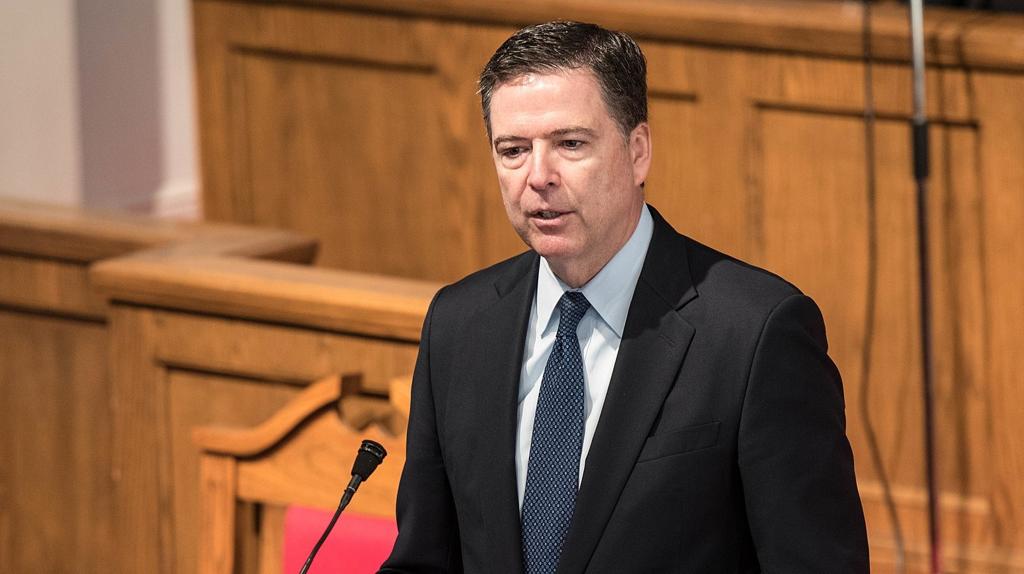
Former FBI Director James Comey faces serious charges of making false statements and obstructing Congress, following an indictment secured by Trump U.S. Attorney Lindsey Halligan in Virginia. Critics have labeled the indictment as politically motivated, but evidence presented by Halligan suggests otherwise. Comey has moved to dismiss the indictment, claiming Halligan's appointment was unlawful and that he is being targeted due to animosity from President Trump.
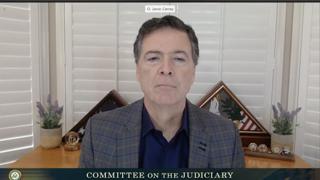
In her response to Comey's motion, Halligan revealed substantial evidence against him, including handwritten notes and emails from Comey’s Gmail account, where he used the alias Reinhold Niebuhr. These documents indicate that Comey collaborated with a friend, Professor Daniel Richman, to leak information to the media, contradicting his sworn testimony before the Senate Judiciary Committee.
Despite initial skepticism from some legal analysts, Halligan's evidence appears robust enough to withstand dismissal attempts. Critics had previously questioned Halligan's experience, suggesting that career prosecutors had opted against pursuing the case. However, Halligan's findings have led to a reevaluation of those claims, as her evidence reportedly exceeds the threshold necessary for the indictment to proceed.
The legal proceedings are set against a backdrop of political tension, with Comey portraying himself as a victim of vindictive prosecution. His defense hinges on the argument that the charges stem from Trump's disdain for him, rather than any legitimate legal basis. However, Halligan's team, which includes notable figures such as Attorney General Pam Bondi and Deputy Attorney General Todd Blanche, is prepared to counter these claims.
Bondi has filed a motion to affirm Halligan's appointment as lawful, addressing Comey's challenge to the legitimacy of the indictment. This move is seen as a precautionary measure, given the unpredictable nature of the judicial landscape, particularly in light of potential biases from lower court judges.
Looking ahead, the indictment of Comey is just one part of a broader investigation. U.S. Attorney Jason Reding Quiñones in Florida is set to empanel a grand jury to investigate events related to Operation Crossfire Hurricane, which aimed to undermine Trump's 2016 campaign. This inquiry could further scrutinize the actions of Comey and others involved in what some describe as politically motivated legal maneuvers against Trump and his associates.
The legal process is expected to be lengthy, with appeals likely if dismissals occur at the lower court level. However, supporters of the indictment believe that the evidence presented will ultimately lead to accountability for Comey and others involved in alleged misconduct.
As the situation unfolds, the involvement of key figures in the investigation, including Senate Judiciary Chairman Chuck Grassley, is seen as critical to ensuring that justice is served. Grassley’s role is particularly emphasized as he continues to advocate for transparency and accountability within the legal system.
In summary, while Comey maintains that his indictment is politically motivated, the evidence presented by Halligan's team suggests a more complex narrative. The unfolding legal battles will likely draw significant public and media attention as they progress through the courts.