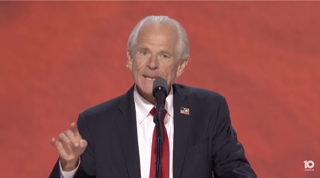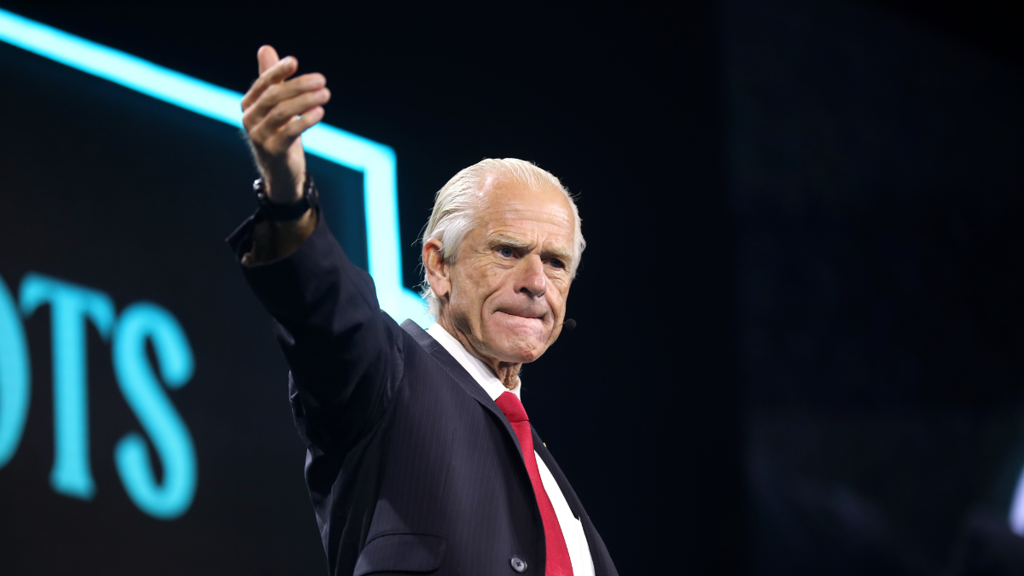
Peter Navarro, a former senior White House advisor, has publicly detailed his legal struggles following his indictment for contempt of Congress related to the January 6 Capitol attack. Navarro claims that his experience exemplifies a broader trend of partisan legal actions, which he refers to as "lawfare." (U.S. DOJ)
In a recent excerpt from his book, "I Went to Prison So You Won’t Have To: A Love and Lawfare Story in Trump Land," (U.S. DOJ) Navarro argues that the legal system has been weaponized against him and other Trump associates. He stated, "If they can come for me, Steve, and President Trump, they can come for you."
Navarro's legal troubles began with a subpoena from the House Select Committee investigating the January 6 attack. He contends that the committee was formed improperly, alleging that Speaker Nancy Pelosi stacked it with members opposed to Trump. Navarro claims he was compelled to refuse testimony based on executive privilege invoked by Trump.
The Department of Justice, led by U.S. Attorney Matthew Graves, subsequently indicted Navarro, leading to his arrest at Reagan National Airport in July 2022. He described the arrest as an "outrageous circus," (U.S. DOJ) noting that five armed FBI agents surrounded him and his fiancée. Navarro criticized the handling of his case, stating, "The message was clear: Flip on Trump or rot."
Navarro's legal fees have reportedly exceeded one million dollars, a financial burden he attributes to the partisan nature of his prosecution. He remarked, "One aim of lawfare short of prison is to bleed the target dry." (U.S. DOJ)
In court, Navarro faced what he described as a biased environment. He noted that the jury pool was predominantly composed of Biden voters, and he alleged that the judge, Amit Mehta, an Obama appointee, restricted his ability to present a defense. Navarro claimed that Mehta denied him the opportunity to argue for dismissal based on selective prosecution.
Despite his legal challenges, Navarro continues to fight his conviction. He expressed concern that a loss in his appeal could set a dangerous precedent for other senior White House advisors, stating, "If I lose, every senior White House advisor — Republican or Democrat — will face the same Hobson’s Choice I did: honor the Constitution and risk prison, or bend the knee to partisan inquisitors." (U.S. DOJ)
Navarro is the first senior White House official to be charged with contempt of Congress and sentenced to prison. He served four months before being released and is currently appealing his conviction. His case has drawn attention to the contentious political climate surrounding the January 6 investigations and the implications for executive privilege and congressional oversight.
As Navarro continues his legal battle, he remains a vocal critic of the current administration's approach to justice, framing his experience as a cautionary tale for others in similar positions. He maintains that the legal system should not be used as a tool for political retribution.