Former U.S. attorneys general are voicing their support for Jeffrey Clark, a Trump-era Justice Department official, in response to the D.C. bar's recommendation to disbar him. Clark, who currently leads the Office of Information and Regulatory Affairs at the White House, is facing disciplinary action for drafting legal advice regarding voting irregularities that was not made public in 2020.
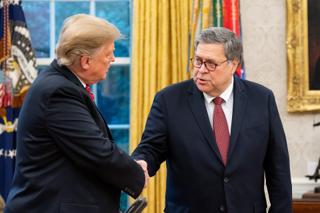
In August, a member of the D.C. bar's disciplinary counsel described Clark's actions as the "second greatest internal threat" (Boydengray) to democracy, trailing only the Civil War. In a 23-page amicus brief filed with the D.C. Court of Appeals, former Attorneys General William Barr, Jeff Sessions, and Michael Mukasey criticized this characterization, stating that it indicates a serious misjudgment.
The brief argues that the case represents an unprecedented attempt to punish internal discussions within the federal government. The attorneys general contend that disciplining Clark would set a dangerous precedent, potentially leading to federal lawyers being charged with dishonesty for internal legal advice or deliberations.
The brief emphasizes that the D.C. bar's actions could discourage lawyers from serving in the federal government, as they may fear political retribution for their candid opinions. "This will lead federal attorneys to self-censor their views on crucial matters," (Boydengray) the brief states.
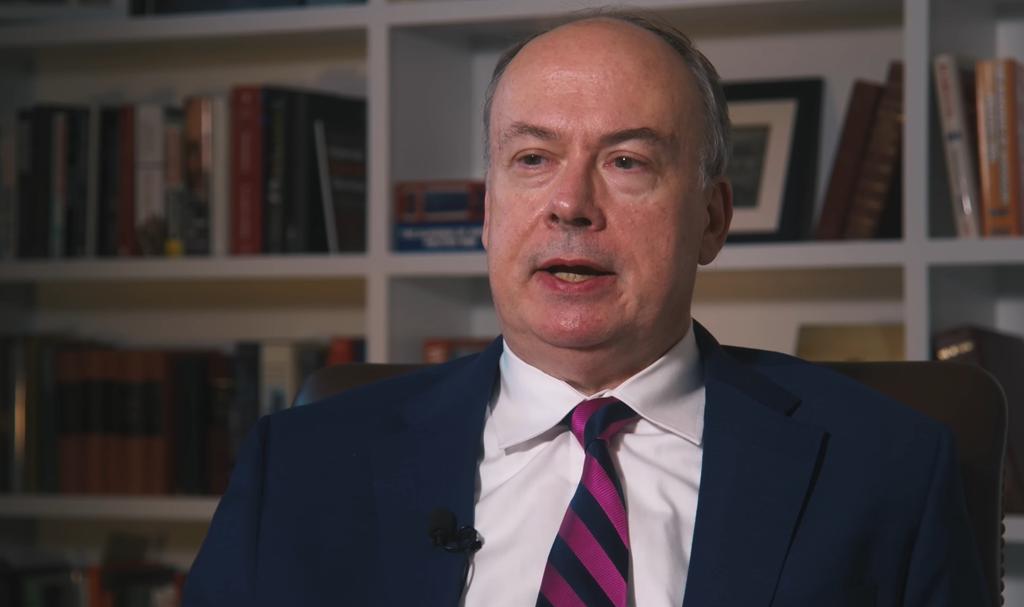
The law firm Boyden Gray PLLC, which submitted the brief, highlighted the implications of disbarring a lawyer for internal discussions. They argued that such actions would politicize the bar and hinder executive decision-making.
The former attorneys general also pointed out that the D.C. bar's disciplinary actions appear inconsistent, noting that Kevin Clinesmith, who was convicted of lying on a FISA warrant, received a lighter punishment than what Clark faces. They argue that this disparity raises concerns about the impartiality of the bar's disciplinary process.
The brief warns that the D.C. bar's intervention in executive branch discussions undermines the separation of powers, as it allows a judicial body to police internal deliberations of the Executive Branch. The attorneys general assert that this could chill candid communications necessary for effective governance.
In conclusion, the former attorneys general argue that the D.C. bar's actions could erode public trust in legal institutions, suggesting that perceived politicization of disciplinary proceedings could lead to similar actions by state bars with differing political ideologies. They emphasize the importance of maintaining the integrity of the legal profession and protecting the confidentiality of internal discussions within the government.