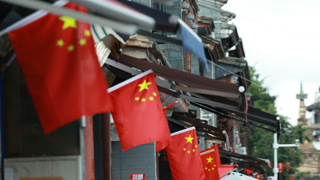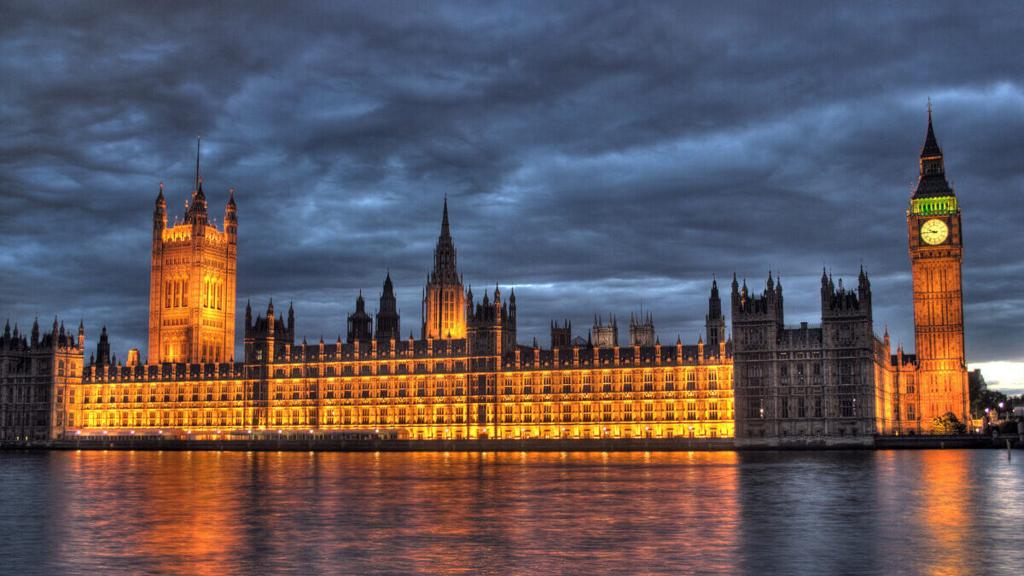
The recent collapse of a major espionage case involving alleged Chinese spies has sparked significant political backlash in the United Kingdom. The Crown Prosecution Service (CPS) dropped charges against two British citizens, Christopher Berry and Christopher Cash, who were accused of gathering intelligence for China, citing a lack of classification of China as a national security threat by the government led by Prime Minister Keir Starmer.
Explainer Free Speech Battles: Courts, Censorship, and Cultural Conflicts
Matthew Collins, the U.K.'s deputy national security adviser, revealed that Berry was recruited by China's Ministry of State Security (MSS) while teaching in China. Collins stated, "on one occasion, only thirteen hours passed between Mr. Berry receiving a task, consulting with Mr. Cash, and then reporting back to 'Alex'"—a Chinese handler. This efficiency raised alarms about the extent of China's espionage operations within the U.K. parliament.
Berry and Cash were arrested in September after Berry was stopped at Heathrow Airport with a suitcase of cash. However, the CPS announced last month that it could not proceed with the case due to the government's refusal to classify China as a national security threat. CPS head Stephen Parkinson emphasized that without this classification, they could not charge the suspects under the Official Secrets Act.
The decision has drawn criticism from various political figures, including Kemi Badenoch, leader of the Conservative Party, who accused Starmer of allowing the case to collapse to avoid straining relations with Beijing. Badenoch stated, "he has been too weak to confront Beijing," reflecting growing concerns about the government's approach to China.
The fallout from the CPS's decision has raised questions about the U.K.'s intelligence-sharing relationships, particularly with allies like the United States. White House officials have expressed concern that the U.K.'s handling of the case could jeopardize the special relationship between the two nations. John Moolenaar, chairman of the U.S. House Committee on the Chinese Communist Party, warned that the U.K.'s actions could undermine Five Eyes security coordination.
In light of these developments, the Starmer government has postponed its decision on China's proposal to build Europe’s largest embassy in London, a move that has raised national security concerns. Some conservative MPs have called for the proposal's rejection, citing the implications of the recent espionage case.
The collapse of the spy case has prompted calls for the U.K. to reassess its stance on China to ensure national security and maintain trust with international allies. As the situation unfolds, the Starmer government faces mounting pressure to address these critical issues and restore confidence in its handling of foreign threats.