New York City Mayor Zohran Mamdani dismissed suggestions that rent regulations are fueling a surge in vacant rent-stabilized apartments, as recent data show the number of empty units has risen to about 57,000 citywide.
Explainer Zohran Mamdani’s Mayoral Victory: Shaping New York City's Progressive Future
The debate centers on whether city and state rent laws are making it harder for landlords to fill apartments, with critics warning of mounting vacancies and financial strain on building owners.
Landlord reports submitted to the state indicated that in 2025, approximately 57,000 rent-stabilized apartments were vacant in New York City, out of a total rent-stabilized stock of about one million units. This represents a 5.6% vacancy rate, up from 3.7% in 2016, according to data obtained by The City Reporter through a Freedom of Information Law request. The vacancy rate spiked to about 7% in 2021, coinciding with the COVID-19 pandemic and a sharp drop in city population, especially in Manhattan and Brooklyn.
Mamdani’s Response at Summit
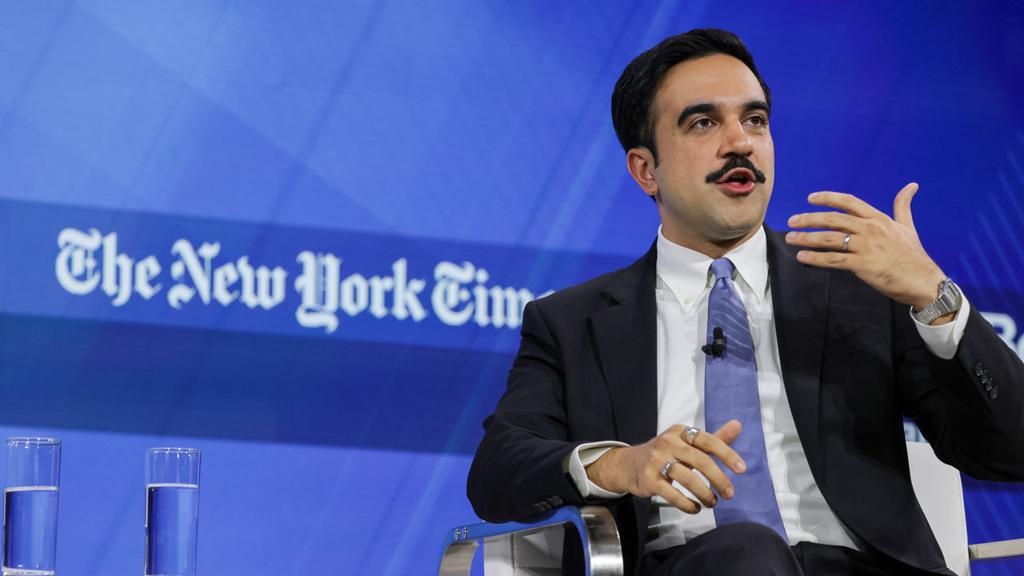
At The New York Times’ DealBook Summit, moderator Andrew Ross Sorkin questioned Mamdani about the high number of vacant rent-stabilized apartments and whether he would support allowing landlords to pass on renovation costs to tenants. Mamdani responded on social media, "Did a landlord write this question? There’s a rumor that a huge number of rent-stabilized apartments are vacant because landlords can’t raise the rent. That’s not true. And it’s dangerous."
"There’s a rumor that a huge number of rent-stabilized apartments are vacant because landlords can’t raise the rent. That’s not true. And it’s dangerous."
— Zohran Mamdani, Mayor of New York City
Mamdani argued that only about 6,000 units have been vacant for five years, attributing most current vacancies to new housing waiting to be brought online. He warned that allowing rent increases could lead to mass evictions and shifted blame to landlords for the vacancy issue.
Causes and Impact of Vacancies
The state data do not specify why apartments are vacant or their condition. Charni Sochet, spokesperson for the Division of Homes and Community Renewal, said, "A vacant registration does not indicate the cause of vacancy, condition of units, or whether the units are transitioning between tenancies. Such units may also include newly constructed buildings that have not yet been fully leased."
Oksana Mironova, a housing policy analyst with the Community Service Society, described the current vacancy rate as "pretty significant," but noted that it could reflect apartments being renovated, in between tenants, or held off the market for other reasons. Brendan Mitchell, director of real estate and finance at the University Neighborhood Housing Program, suggested that the recent rise could be linked to the resolution of eviction cases after the end of the eviction moratorium.
Landlord Concerns and Policy Criticism
Landlords and industry groups have argued that recent changes to rent laws, particularly the Housing Stability and Tenant Protection Act passed in 2019, have made it difficult to cover rising costs or recoup investments in unit repairs. The New York Apartment Association has warned that thousands of building owners are struggling to meet mortgage payments and maintain properties, with some at risk of default. The New York Housing Conference, representing nonprofit affordable housing providers, has said its members may soon require a $1 billion bailout to avoid default, citing that "rents are not covering expenses."
Nicole Huyer, a senior research associate at the Heritage Foundation, wrote that constraints on landlord profits reduce incentives for maintenance and upkeep, potentially leading to more vacancies and deteriorating housing quality. She described a "doom-loop" where high demand for affordable units and low profitability for landlords contribute to shortages and declining conditions.
Broader Housing Policy Debate
Supporters of rent regulation argue that the laws protect tenants from displacement and keep housing affordable. Mamdani and his administration have not directly addressed critics' claims that recent policies are worsening the vacancy problem, but maintain that rent control is not the primary cause. The city’s rent freeze, enacted by an independent board, has also drawn criticism from property owners who say it exacerbates financial pressures.
The trend of rising vacancies in rent-stabilized apartments remains a point of contention as New York City officials and housing advocates debate the future of affordable housing policy.