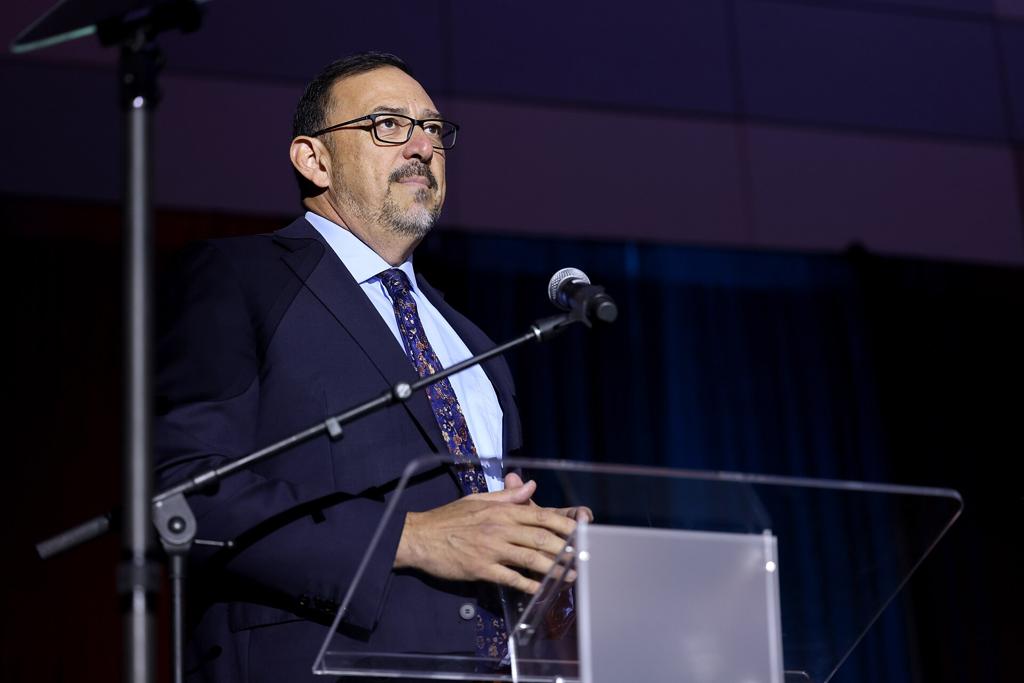
Arizona Secretary of State Adrian Fontes is urging the state’s incoming Democratic majority to pursue a broad overhaul of election laws, including repealing Republican-backed restrictions on voter registration, private election funding, and ballot collection.
Explainer Voter ID Laws: Securing Elections While Debating Accessibility and Integrity
Fontes’ agenda signals a sharp policy shift as Democrats prepare to control Arizona’s government for the first time in decades, with changes that could reshape how millions of Arizonans cast ballots in future elections. The new Democratic majority, following their midterm wins, is expected to revisit several controversial election policies enacted in recent years.
Fontes, who recently won reelection, told Votebeat he will advocate for legislation to eliminate requirements that newly registered voters provide proof of residency to participate in local and state elections. Under current law, voters must present documentation to confirm they reside at their registered address and are eligible to vote in that jurisdiction. This requirement is outlined in the Arizona Revised Statutes, which Republican lawmakers have argued is necessary to prevent ineligible voting. Fontes, however, contends that such measures create unnecessary barriers for eligible voters and disproportionately affect certain groups, such as students and lower-income residents who may have difficulty providing the required documents.
Proposals to Expand Voting Access
Fontes also supports repealing Arizona’s ban on private funding for election administration. The prohibition was enacted after the 2020 election, when nonprofits funded by Meta CEO Mark Zuckerberg distributed millions of dollars—often referred to as “Zuckbucks”—to local election offices nationwide. According to the Capital Research Center, Arizona received about $5.1 million in such funds, most of which went to counties won by Joe Biden. Supporters of the ban argued that private funding could create the appearance of partisan influence over election administration, while critics of the ban, including Fontes, say that local election offices need more resources to ensure secure and efficient elections, especially in rural or underfunded areas.
Fontes is also calling for overturning the state’s restrictions on third-party ballot collection, sometimes called “ballot harvesting.” Under current Arizona law, only a family member, household member, or caregiver is permitted to submit a voter’s absentee ballot. This restriction was put in place after Democrats began using the practice more effectively than Republicans, according to Fontes. He argues that allowing more people to collect and submit ballots would make voting easier for those who face barriers to returning their ballots, such as elderly voters, people with disabilities, or those living in remote areas. Critics, however, warn that expanding ballot collection could increase the risk of coercion or fraud, though evidence of widespread abuse has not been documented in Arizona.
"What I want to do is set the tone. This is getting us back to where we were on that slow march that we had."
— Adrian Fontes, Arizona Secretary of State
Fontes also wants to implement a California-style mail-in voting system, which would automatically send ballots to all registered voters before each election. He cites this as a way to increase participation and reduce barriers to voting, pointing to higher turnout in states with similar systems. Critics, however, note that states like Nevada experienced issues with undeliverable ballots in large counties such as Clark County during the 2020 election, raising concerns about the accuracy of voter rolls and the potential for ballots to be sent to outdated addresses.
Automatic Registration and Language Access
Another priority for Fontes is automatic voter registration. Under this proposal, eligible Arizonans would be automatically registered to vote when they obtain a driver’s license or state identification card, unless they choose to opt out. Fontes argues that this would modernize the state’s voter rolls, making them more accurate and inclusive. He believes automatic registration could help close participation gaps among underrepresented groups and streamline the registration process. Critics, however, caution that automatic registration could add voters who are less engaged or informed, potentially leading to lower-quality participation or administrative complications.
Fontes has also voiced support for developing a state-specific standard for ballot translation, aiming to improve access for voters who do not speak English as their primary language. He says that such measures would help ensure all eligible voters can participate fully in elections, particularly in a state with significant Spanish-speaking and Native American populations. Currently, federal law requires ballot translation in certain jurisdictions, but Fontes wants Arizona to establish its own standards to address local needs more effectively.
Legislative Outlook and Political Response
Fontes’ proposals align with the priorities of returning Democratic lawmakers expected to serve on key election committees in the state legislature. However, it remains unclear which measures will be prioritized or how quickly they could advance when the legislature convenes. Fontes has said his role includes ensuring lawmakers do not create confusion or instability in the election system, emphasizing the importance of clear and consistent rules for voters and election officials alike.
Supporters of Fontes’ agenda argue that these changes would make voting more accessible and bring Arizona in line with practices in other states that have expanded access in recent years. They say that modernizing election laws could help boost turnout and strengthen democracy. Critics, including some election integrity specialists and Republican lawmakers, warn that loosening restrictions could increase the risk of fraud, voter intimidation, or administrative errors. They argue that recent changes were necessary to restore public confidence in elections after the contentious 2020 cycle.
Fontes maintains that his agenda represents a return to pre-2020 norms, before what he describes as a wave of restrictive measures passed by "pro-Trump Republicans." He says the goal is to restore trust and participation in Arizona’s elections by removing barriers and modernizing procedures.
Fontes is already meeting with lobbyists and advocacy groups pitching additional ideas, such as compulsory voting and all-party primaries. However, he emphasized that his immediate focus is on the proposals outlined above, which he believes will have the greatest impact on voter access and election administration in Arizona.
As the legislative session approaches, the debate over Arizona’s election laws is expected to intensify, with both supporters and opponents preparing for a high-stakes battle over the future of voting in the state.