The Democratic National Committee (DNC) has unveiled its plans for the 2028 presidential primary debate schedule, announcing that it will hold a total of twelve debates beginning in June 2027 and concluding in March 2028. This move comes as the party prepares for what is expected to be a crowded and highly competitive primary season, with a broad field of candidates anticipated to seek the Democratic nomination.
Explainer Campaign Finance Laws and Enforcement: Protecting Electoral Integrity in America
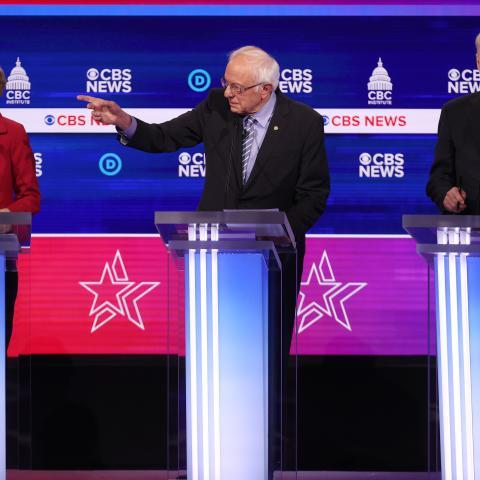
According to the DNC, the debates will feature up to 20 candidates. If the number of qualifying candidates exceeds the capacity for a single stage, the committee will split the field across two stages, potentially holding debates on consecutive nights to ensure all participants have an opportunity to appear before voters. This approach is similar to the format used during the last open Democratic primary, when a large number of contenders vied for the nomination.
The DNC's schedule outlines five debates to be held in 2027, with the remaining seven taking place in 2028. The committee has not yet released specific dates, locations, or information about moderators for these events. However, the early announcement of the debate calendar is intended to give campaigns ample time to prepare and to provide clarity on the process for both candidates and voters.
Debate Structure and Candidate Limits
To manage the large field, the DNC will limit debate participation to no more than 20 candidates. If necessary, debates will be split over two consecutive nights, with candidates divided between stages. This format is designed to ensure that all qualifying candidates have a fair opportunity to present their platforms and engage with voters.
In order to qualify for the debate stage, candidates will be required to sign a Presidential Primary Fair Campaign Practices Pledge. The pledge is intended to promote transparency and fairness throughout the nominating process. According to the DNC, the pledge also reinforces the committee's commitment to neutrality, requiring that party committees at all levels refrain from endorsing or supporting any candidate during the primary.
"We are committed to running a 2028 presidential primary process that is transparent, fair, and rigorous."
— Democratic National Committee statement
The pledge further prohibits candidates from entering into joint fundraising agreements with party committees or requesting party-funded advertising during the primary, unless and until they become the presumptive nominee. This is intended to prevent any candidate from gaining an unfair advantage through party resources before the nomination is secured.
New Rules on Campaign Spending
A significant component of the new pledge is its focus on limiting the influence of outside spending in the Democratic primary. Candidates must publicly denounce support from super PACs and so-called "dark money" groups in order to participate in the debates. The DNC cited the increased role of outside money in politics following the Supreme Court's Citizens United decision, and said the pledge is designed to reduce the impact of such spending in the nominating process.
While the DNC does not have the legal authority to ban super PACs outright, it will require candidates to reject their support as a condition for debate participation. The pledge also restricts coordinated party spending and joint fundraising during the primary season, with the goal of preserving party resources for the general election and maintaining a level playing field among all candidates.
These new rules reflect the DNC's efforts to address concerns about the role of money in politics and to ensure that the primary process remains focused on the candidates and their ideas, rather than outside interests.
Broader Context and Next Steps
The announcement of the debate schedule and new campaign rules follows the DNC's recent approval of an early nominating calendar, which will see six states voting in a predetermined order at the start of the primary season. The committee has stated that these measures are intended to create a fair, competitive, and transparent process as Democrats look ahead to the 2028 presidential race.
While the DNC has not yet provided details on the specific locations or moderators for the debates, it has indicated that further information will be released as the primary season approaches. Candidates will still be permitted to attend and support events held by party organizations, provided they do not engage in any prohibited spending or enter into agreements that violate the terms of the pledge.
The committee has not specified how it will enforce the new rules or what penalties may be imposed for violations. However, the DNC emphasized that maintaining neutrality and limiting outside influence are central to its approach for the 2028 primary.
As the Democratic field begins to take shape, the DNC's debate schedule and new campaign finance rules are expected to play a significant role in shaping the dynamics of the race. With a large number of candidates likely to compete for the nomination, the party's efforts to ensure a fair and transparent process will be closely watched by both campaigns and voters in the months leading up to the first debate in June 2027.