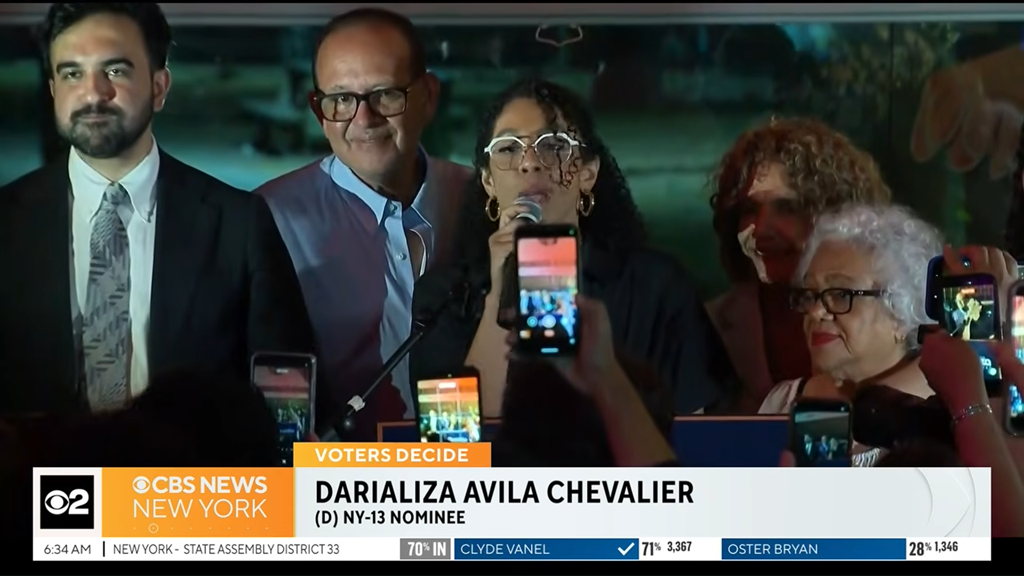
Candidates backed by New York City Mayor Zohran Mamdani, a prominent member of the Democratic Socialists of America (DSA), have achieved notable victories in recent Democratic primaries. These candidates successfully defeated several incumbent U.S. House members, a development that has sparked extensive discussions about the implications of their radical policy positions and the media's portrayal of these candidates.
Explainer Attorney General Ken Paxton’s Legal Impact on Texas Policies and Public Safety
Candidates Backed by DSA Achieve Significant Victories
The primary results highlight a growing divide within the Democratic Party. Progressive candidates are advocating for policies that some critics describe as extreme or radical. Supporters of these candidates argue that they represent a necessary shift toward more inclusive and equitable governance, aiming to address systemic issues that have long affected marginalized communities.
In New York's 13th Congressional District, Darializa Avila Chevalier, who identifies as a Muslim convert of Dominican descent, achieved a significant victory by defeating incumbent Rep. Adriano Espaillat. Avila Chevalier has expressed support for several controversial policies, including nationalizing major industries, defunding police departments, and halting deportations of individuals living in the country illegally. Additionally, she has made statements regarding the American flag and Israel that have raised concerns among some voters, prompting discussions about her suitability for office.
Another DSA-backed candidate, Brad Lander, won the nomination for New York's 10th Congressional District by defeating incumbent Rep. Dan Goldman. Lander has similarly called for the abolition of U.S. Immigration and Customs Enforcement (ICE) and has been vocal about his opposition to current immigration policies. Critics have labeled his views as part of a broader trend of radicalism within the party, raising alarms about the potential implications of his election.
Supporters of these candidates argue that their policies are essential for addressing systemic inequalities and promoting social justice. "These candidates are responding to the needs of their communities, which have been historically marginalized," said a spokesperson for the DSA. However, critics contend that such policies could undermine public safety and national security, raising questions about the practical implications of their proposals.
The DSA also saw success in state-level primaries, including the nomination of Aber Kawas. Kawas has faced scrutiny for her past comments regarding the 9/11 terrorist attacks, which have raised alarms among some voters about the implications of electing candidates with controversial views. This scrutiny highlights the broader concerns about the candidates' past statements and their potential impact on governance.
Media Coverage and Public Perception
Media coverage of these primary victories has drawn criticism for focusing on the candidates' progressive labels while downplaying their more radical policy proposals. Critics argue that this approach serves to obscure the potential consequences of electing such candidates. "The media's role should be to inform the public about the candidates' true positions, not to sanitize their agendas," said a political analyst, emphasizing the importance of transparency in political reporting.
While some media outlets have begun to address the candidates' policy agendas more thoroughly, there are concerns that this scrutiny will diminish as the election approaches. Observers note that the media's framing of these candidates could significantly influence public perception and voter behavior, potentially swaying undecided voters in critical races.
As the Democratic Party navigates its internal divisions, the outcomes of these primaries may signal a shift in the party's direction. The DSA's growing influence raises questions about the future of Democratic policies and the potential impact on national elections. The party's ability to unify its factions while addressing the concerns of its diverse voter base will be crucial in the upcoming election cycle.
Conclusion
In conclusion, the victories of DSA-backed candidates in New York's Democratic primaries reflect a significant ideological shift within the party. This shift has prompted both support and concern among voters, as the implications of these candidates' radical policies will likely remain a focal point of debate as the election season progresses. The evolving dynamics within the Democratic Party may have lasting effects on its policies and electoral strategies in the years to come.