Seven states have enacted new laws since 2025 that require documentary proof of U.S. citizenship and voter identification for elections, adopting core elements of the federal SAVE America Act, which remains stalled in the Senate despite repeated House passage and support from President Donald Trump.
Explainer Election Integrity in America: Safeguarding Voter Trust and Ballot Security
The surge in state-level action reflects a growing divide over election integrity, as lawmakers respond to concerns about noncitizen voting and federal gridlock.
The SAVE America Act, which would mandate proof of citizenship to register for federal elections and require photo ID to vote, has failed to advance in the Senate, even as the House has approved it multiple times. The Supreme Court’s 2013 decision limited states’ ability to require citizenship documentation for federal voter registration, but states retain some authority to verify citizenship status under the National Voter Registration Act.
State-Level Legislation Details
South Dakota, under Senate Bill 175 signed by Gov. Larry Rhoden in March, now requires individuals registering to vote to provide documents such as driver’s licenses, tribal IDs, birth certificates, passports, or naturalization certificates to prove citizenship.
Kansas passed the SAVE Kansas Act in 2026, directing the secretary of state to compare voter rolls with the federal SAVE database to identify ineligible voters. The Republican-controlled legislature overrode Democratic Gov. Laura Kelly’s veto to enact the law.
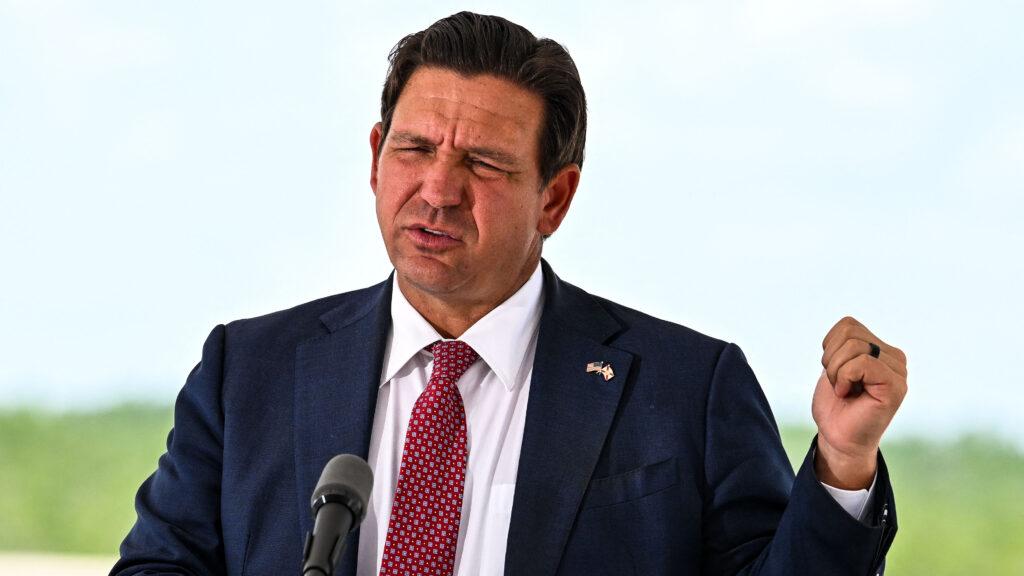
Florida’s SAVE Act, signed by Gov. Ron DeSantis in April, takes effect in 2027. According to a Florida Senate summary, the law requires citizenship checks for new and updated voter registrations against Department of Highway Safety and Motor Vehicles records. If citizenship cannot be verified, applicants must provide documentary proof. The law also mandates that election officials use available state and federal sources to verify citizenship and establishes procedures for removing ineligible voters from rolls.
Mississippi’s SHIELD Act, effective July 1, 2026, requires registrars to compare voter information with state and federal records, including the SAVE database, and to request proof of citizenship from flagged applicants. The secretary of state must conduct annual reviews of the voter registration system against the SAVE database.
In Utah, HB 209 signed by Gov. Spencer Cox allows voters who provide proof of citizenship to cast a standard ballot, while others may vote only in federal races. Election officials are authorized to use the SAVE database to verify citizenship.
Ohio’s 2025 law, passed as part of a transportation bill, requires proof of citizenship only for voter registration at the Bureau of Motor Vehicles. The measure has faced criticism and legal challenges.
Wyoming enacted a proof-of-citizenship and 30-day residency requirement in 2025. Gov. Mark Gordon allowed the bill to become law without his signature, expressing reservations about the residency provision.
Legal and Political Context
States including Arizona, Georgia, Alabama, Louisiana, and New Hampshire previously enacted citizenship verification laws, but some have delayed implementation due to legal and procedural challenges, according to Ballotpedia and the National Conference of State Legislatures.
The 2013 Supreme Court ruling on the National Voter Registration Act, known as the "motor voter law," restricts states from requiring additional documentation for federal voter registration but allows some flexibility in verifying citizenship. Election lawyer Cleta Mitchell, co-founder of the Only Citizens Vote Coalition, argued that states can still take steps to confirm citizenship at the DMV and maintain accurate voter rolls.
"States always say it was just a glitch. Even people at a DMV who check the box to say they are noncitizens still frequently get asked to register to vote. … States could, today, require the DMV confirm citizenship status before providing. There is nothing in the high court ruling that would prevent that."
— Cleta Mitchell, election lawyer
Jason Snead, executive director of the Honest Elections Project, said states should act independently of Congress, warning that federal laws could be reversed by future administrations. "Even if the SAVE America Act is passed by Congress, no law is permanent. It could be undone by a future Democratic president and Democrat majority in Congress could reverse it," Snead told the Daily Signal.
Criticism and Support
Supporters argue these laws are necessary to ensure only citizens vote and to address concerns about noncitizens on voter rolls. Critics, including some Democratic officials and advocacy groups, have challenged the measures in court and argue they risk disenfranchising eligible voters. In Kansas, Gov. Laura Kelly vetoed the SAVE Kansas Act, but the legislature overrode her objections. In Ohio, the new requirements have drawn legal scrutiny.
Florida’s law, according to the Senate summary, aims to enhance enforcement of citizenship requirements while updating election administration processes. The state’s procedures for verifying citizenship and removing ineligible voters are set to begin in 2027.
The ongoing legal and political battles over these laws are likely to continue as states implement new requirements and courts weigh their compatibility with federal statutes and constitutional protections.