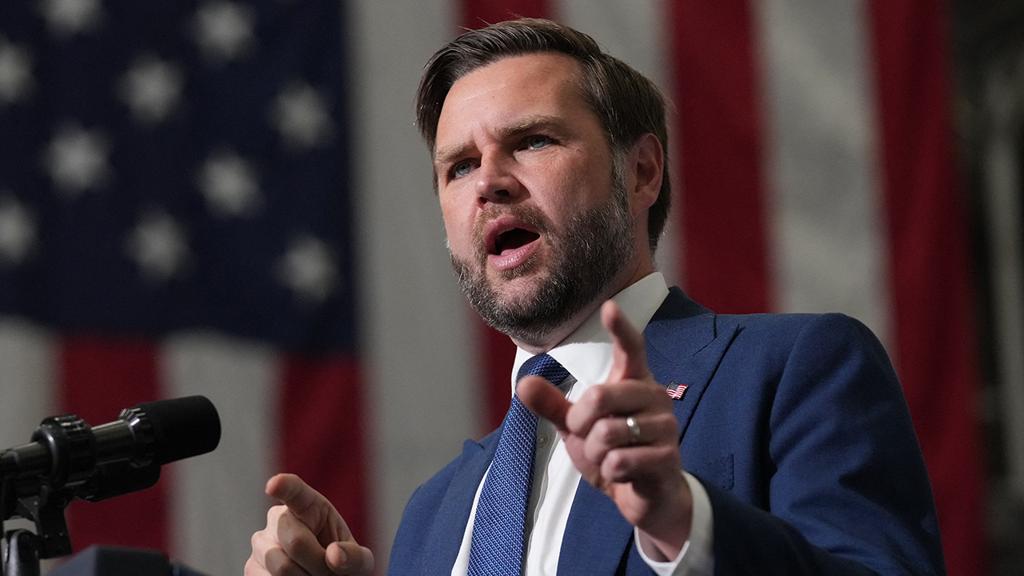
Vice President JD Vance publicly criticized the U.S. Senate for delaying the SAVE America Act, focusing on its voter ID provision, during an appearance on “The Joe Rogan Experience” podcast released Wednesday.
Explainer Election Integrity in America: Safeguarding Voter Trust and Ballot Security
The debate over the SAVE America Act centers on whether the Senate should bypass the filibuster to pass voter ID requirements with a simple majority, exposing a rift among lawmakers over election security and Senate rules. The filibuster, a longstanding Senate procedure, typically requires 60 votes to advance most legislation, making it a significant hurdle for measures that lack broad bipartisan support. In contrast, budget-related bills can sometimes pass with a simple majority under reconciliation rules, a distinction that has become central to the current debate.
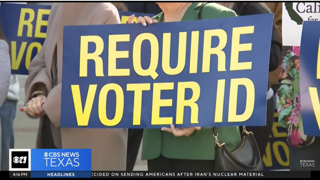
The push for voter ID laws has become a flashpoint in national debates over election integrity, with supporters arguing such measures are necessary to prevent fraud and opponents warning they could restrict access to the ballot. Vance’s comments come as the Senate remains divided on whether to treat the voter ID provision as eligible for passage with 50 votes, rather than the usual 60-vote threshold. The outcome of this debate could have significant implications for future election legislation and the balance of power in the Senate.
Vance’s Criticism of Senate Procedures
Vance told Rogan that the SAVE America Act’s main feature is a national voter ID requirement, but blamed “weird Senate procedural bulls—” for the delay. He argued that a majority of senators support voter ID, but some are unwilling to override the filibuster to enact it. Vance suggested that procedural traditions, rather than substantive disagreements over policy, are preventing the legislation from moving forward.
"There are senators who are so attached to the idea that budget is 50, [but] non-budget is 60, that they’re quite literally willing to prevent voter ID in America."
— JD Vance, Vice President
Vance said he and others have tried to persuade the Senate to allow the voter ID measure to pass with a simple majority, stating, “there’s no law, there’s no provision in the Constitution” mandating the 60-vote rule for such legislation. He described a group of senators as “clinging” to the filibuster, noting the distinction between items that require 50 votes and those that need 60. According to Vance, this adherence to Senate tradition is blocking reforms that he believes have broad public support.
The filibuster has long been a subject of controversy in the Senate, with some lawmakers viewing it as a safeguard for minority rights and others, like Vance, seeing it as an obstacle to enacting popular policies. The debate over its use in the context of election laws has intensified in recent years, especially as partisan divisions have deepened.
Rogan’s Remarks and Audience Reach
Podcast host Joe Rogan pressed Vance on why voter ID is not required in U.S. elections, suggesting that Democrats use fear tactics to discourage such laws. Rogan claimed, “I think they cheat, and I think they’ve been doing it forever, and I don’t think there’s any other reason why you would have no voter ID.”
Rogan also argued that labeling voter ID as racist is itself discriminatory, saying, “Do you think other races are incapable of going to the DMV? That’s insane. That’s racist.”
According to Forbes, Rogan’s podcast was the most popular in the first quarter of 2026, with 21 million YouTube subscribers and a predominantly male audience. His platform’s reach has made it a frequent venue for high-profile political discussions. Rogan’s interviews often attract significant attention and can influence public discourse, especially on contentious issues like election law.
The exchange between Vance and Rogan highlights how the debate over voter ID and Senate procedures has moved beyond Capitol Hill and into broader public forums. The podcast’s large audience means that these discussions reach millions of Americans, potentially shaping opinions on election integrity and legislative process.
Broader Debate and Response
The SAVE America Act’s fate remains uncertain as Senate leaders have not publicly responded to Vance’s criticisms or indicated whether they will reconsider the filibuster for the voter ID provision. Supporters of the filibuster argue it protects minority rights in the Senate, ensuring that major legislation cannot pass without some degree of bipartisan support. Critics like Vance contend it blocks widely supported reforms and prevents the Senate from responding to the will of the majority.
Democratic leaders have not issued a statement addressing Vance’s remarks or Rogan’s allegations about election integrity. The ongoing debate highlights persistent divisions over how to balance election security with access to the ballot. While some lawmakers and advocates insist that voter ID laws are necessary to prevent fraud and bolster confidence in elections, others warn that such requirements could disproportionately impact certain groups of voters, including minorities and the elderly.
The Senate’s handling of the SAVE America Act will likely remain a focal point in the broader conversation about election law and Senate rules. As the legislative process continues, both supporters and opponents of the bill are expected to intensify their efforts to sway public opinion and influence the outcome. The debate underscores the challenges of navigating complex procedural rules while addressing deeply held concerns about the integrity and accessibility of American elections.