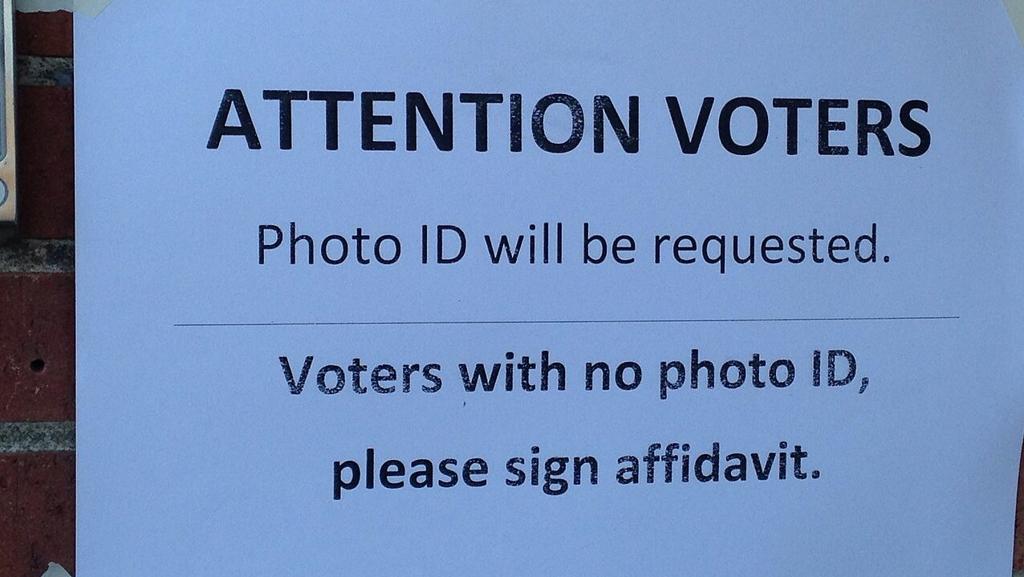
Maine voters decisively rejected a proposal to require photo identification for voting, with 63.4% opposing the measure and only 36.6% in favor, according to early results reported by the New York Times. The initiative, known as Maine Question 1, aimed to enhance election integrity by mandating that all eligible voters present an acceptable form of photo ID when voting in person or by mail.
Explainer Election Integrity: Protecting Voter Rights in Modern America
The proposed changes also included limiting the number of ballot drop boxes to one per locality and requiring voters to submit a written application to receive a mail-in ballot. The measure's failure reflects a broader debate over voter ID laws across the United States, where such requirements have been contentious.
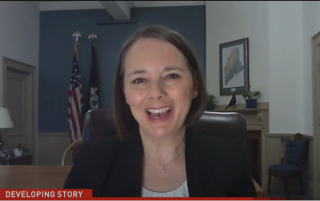
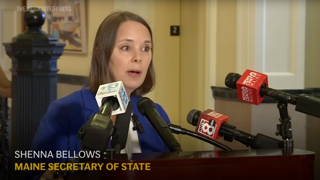
Shawn Fleetwood, writing for The Federalist, noted that the ballot question was criticized for being “deliberately confusing” and using vague terminology that could mislead voters. A lawsuit filed against Maine's Secretary of State Shenna Bellows claimed that her framing of the question was misleading, especially given her previous opposition to voter ID requirements.
The ballot question posed to voters asked whether they wanted to change Maine's election laws to eliminate two days of absentee voting, prohibit requests for absentee ballots by phone or family members, and impose various other restrictions, including the photo ID requirement.
Bellows has faced scrutiny for her stance on election integrity measures. Critics argue that the rejection of the photo ID requirement reflects a lack of support for what they consider common-sense reforms. In contrast, proponents of voter ID laws argue that such measures enhance the security of elections.
Despite the defeat in Maine, national polling indicates strong support for voter ID laws. A 2024 Gallup poll found that 84% of Americans favor requiring voters to show photo ID at polling places. Similarly, a Pew study revealed that 81% of Americans support requiring government-issued photo identification to vote.
The debate over voter ID laws has intensified in recent years, with opponents claiming that such measures disproportionately affect nonwhite voters. For instance, MSNBC’s Ja’han Jones described voter ID laws as “classic” examples of voter suppression tactics. However, data from states like Georgia and Texas suggest that implementing voter ID laws does not hinder voter participation. An analysis from the Honest Election Project indicated that after Georgia enacted its election integrity law in 2021, mail ballot rejection rates decreased, and voter turnout increased significantly.
In a 2022 interview, 70-year-old voter Patsy Reid expressed surprise at the ease of voting in Georgia, countering claims that reforms would deter voters. "I was really thrown back," Reid said, reflecting on her positive experience at the polls.
The outcome in Maine signals ongoing divisions over election integrity measures, with advocates for voter ID laws continuing to push for reforms despite significant opposition in some regions. As the national conversation evolves, the implications of such measures will likely remain a focal point in future elections.