Former Milwaukee County Judge Hannah Dugan has been fined $5,000 and will not serve prison time after being convicted of felony obstruction for attempting to help a person in the country illegally evade Immigration and Customs Enforcement (ICE) agents. The sentence was handed down by federal Judge Lynn Adelman, following Dugan’s conviction last year. Dugan, who resigned her judicial post after the conviction, was sentenced on Wednesday, according to a report from Spectrum News.
The case has intensified debate over judicial accountability and the appropriate response to what critics describe as judicial overreach. Some conservative commentators and officials are urging more aggressive measures, including Department of Justice (DOJ) prosecutions, against judges accused of misconduct. The controversy has become a flashpoint in ongoing disputes over the limits of impeachment, legislative oversight, and the independence of the judiciary.
Dugan’s Conviction and Sentencing
Dugan was found guilty by a jury of obstruction after she attempted to assist an immigrant, who was facing battery charges, in avoiding ICE custody. Judge Adelman imposed a $5,000 fine but declined to sentence Dugan to prison or probation. This decision has drawn criticism from some conservative voices who argue that the penalty is insufficient given the nature of the offense and the responsibilities of a sitting judge.
Dugan’s resignation from her position as a Milwaukee County judge followed her conviction. According to Spectrum News, Dugan’s legal team did not comment publicly after the sentencing. Supporters of Dugan or advocates for judicial independence have also not issued statements in response to the criticism of the sentence.
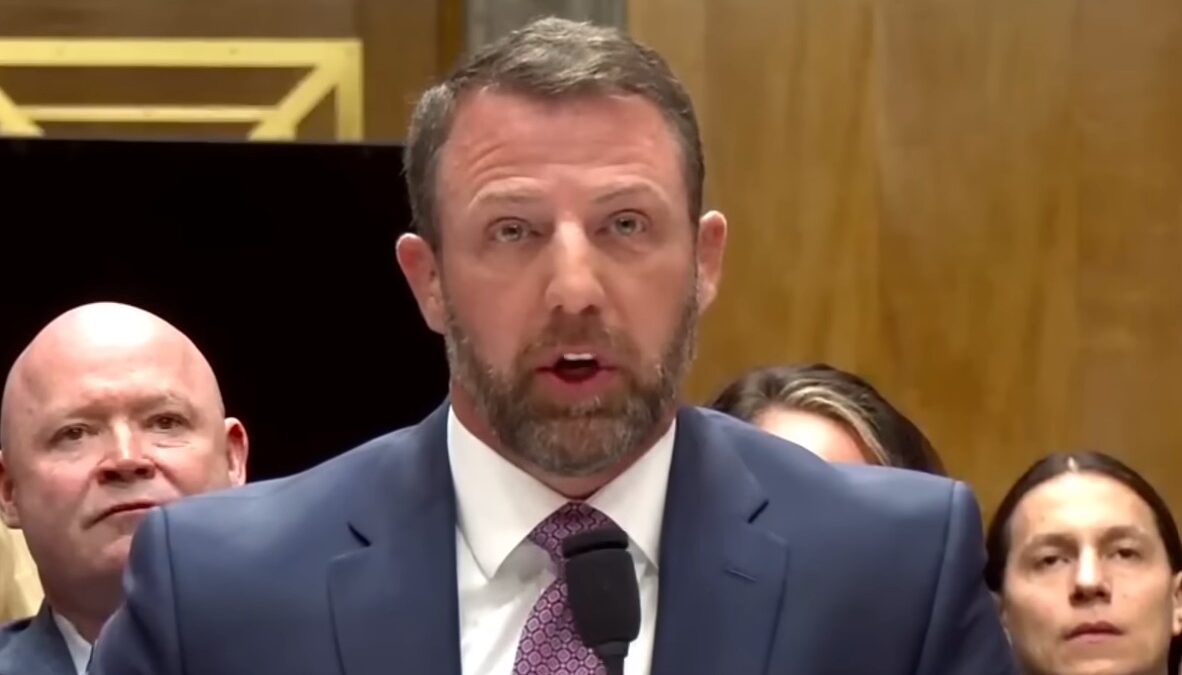
"It is frustrating that so little repercussion has followed her gross abuse of judicial office."
— Samuel Kimzey, commentator
The case has become emblematic for some critics who argue that judges are not held to account when their actions interfere with law enforcement or public safety. The relatively light sentence, in their view, underscores the limitations of current mechanisms for judicial discipline.
Impeachment and Legislative Hurdles
Efforts to remove judges through impeachment have faced significant obstacles at both the state and federal levels. For example, in Florida, Attorney General James Uthmeier recently filed articles of impeachment against Miami Judge Miguel De La O, citing a controversial release decision. However, under the Florida Constitution, impeachment requires a majority vote in the state House and a two-thirds majority in the Senate. This high threshold makes removal difficult without overwhelming legislative support.
At the federal level, the process is similarly challenging. Impeachment of federal judges requires a majority in the House of Representatives and a two-thirds vote in the Senate. In the current political climate, such majorities are rarely achieved, making impeachment an infrequent and often impractical remedy for perceived judicial misconduct.
Critics argue that these high bars for removal allow judges to act with limited accountability, even in cases involving controversial rulings or allegations of misconduct. As a result, calls have grown for alternative methods to address concerns about judicial behavior.
Proposals for DOJ Prosecution
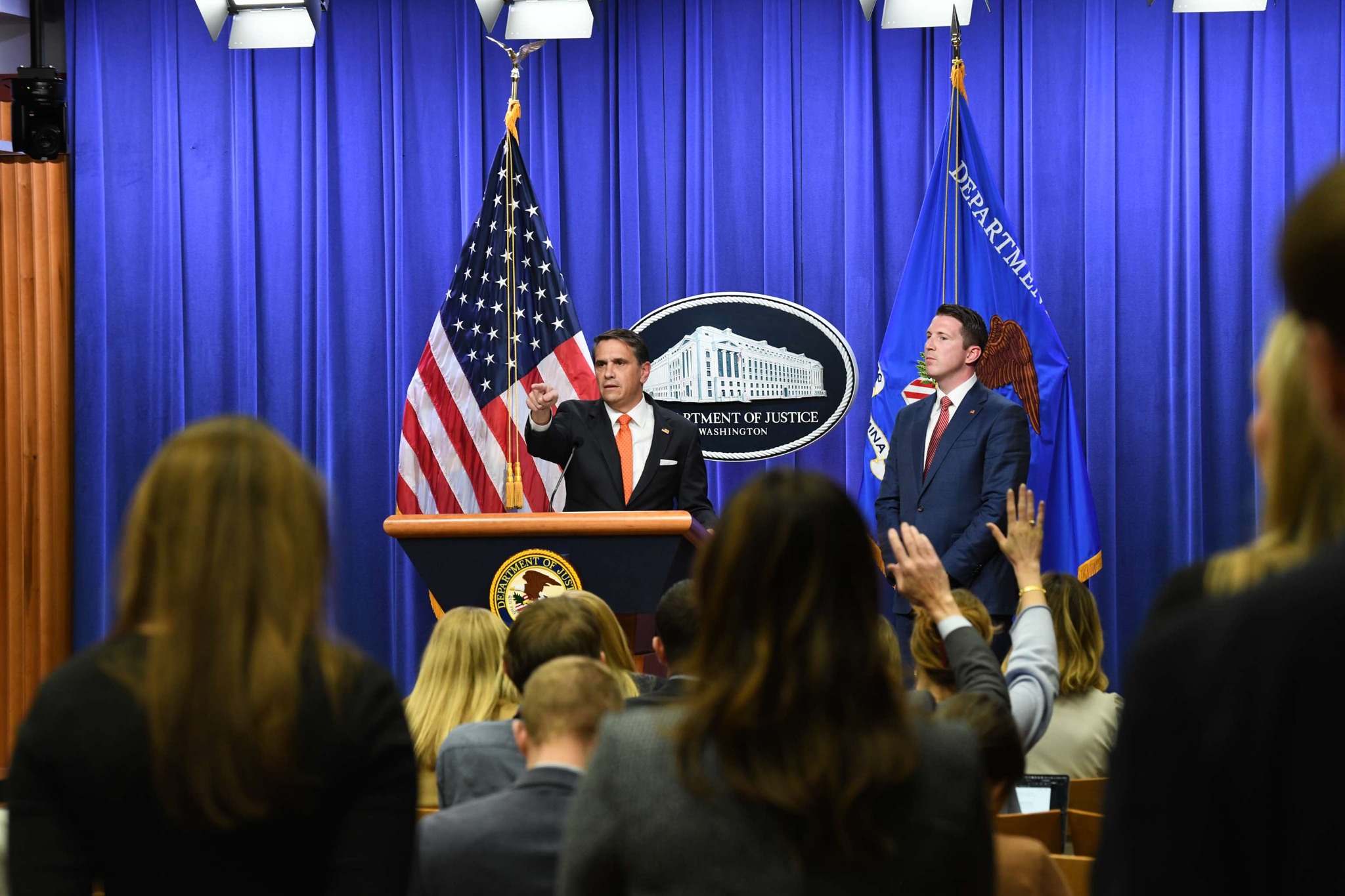
Some conservative commentators, including Samuel Kimzey, have called for the DOJ to pursue criminal charges against judges accused of corruption or obstruction. They argue that impeachment is often unworkable and that extraordinary measures may be necessary to restore accountability to the judiciary. Kimzey contends that a pattern of judicial activism and interference with law enforcement justifies a more robust prosecutorial response.
In addition to DOJ action, Kimzey and others have suggested that Congress could consider reorganizing the federal judiciary or increasing the number of conservative judges as alternative strategies. Legislative action of this kind could potentially dilute the influence of judges perceived as obstructing reforms. However, such measures would require determined majorities in Congress and would likely face significant political and legal hurdles.
Broader Debate Over Judicial Power
The debate over Dugan’s case and similar incidents reflects a larger national dispute over the role and limits of the judiciary. Critics on the right argue that judges have become a bottleneck to reforms and public safety, citing cases where judicial decisions have blocked or delayed enforcement actions. They contend that without stronger accountability mechanisms, judges may be emboldened to act beyond their authority.
On the other hand, defenders of judicial independence warn against politicizing the courts or undermining due process. They argue that judicial oversight and independence are essential to the functioning of the legal system and that efforts to punish judges for controversial decisions risk eroding these principles.
No statements from Dugan, Judge Adelman, or DOJ officials have addressed the calls for prosecution or broader judicial reforms. The debate is expected to continue as lawmakers, advocacy groups, and commentators weigh further action and consider the balance between judicial independence and accountability.
The controversy surrounding Dugan’s sentencing highlights the ongoing tension between the judiciary and other branches of government, as well as the challenges of ensuring both accountability and independence within the legal system.
The Bottom Line
- Judge Hannah Dugan was fined $5,000 for obstruction after aiding a person in the country illegally and resigned her post.
- Conservative commentators and Florida officials are pushing for DOJ prosecutions and legislative reforms targeting judges.
- Impeachment remains difficult at state and federal levels due to high legislative thresholds, fueling calls for alternative measures.