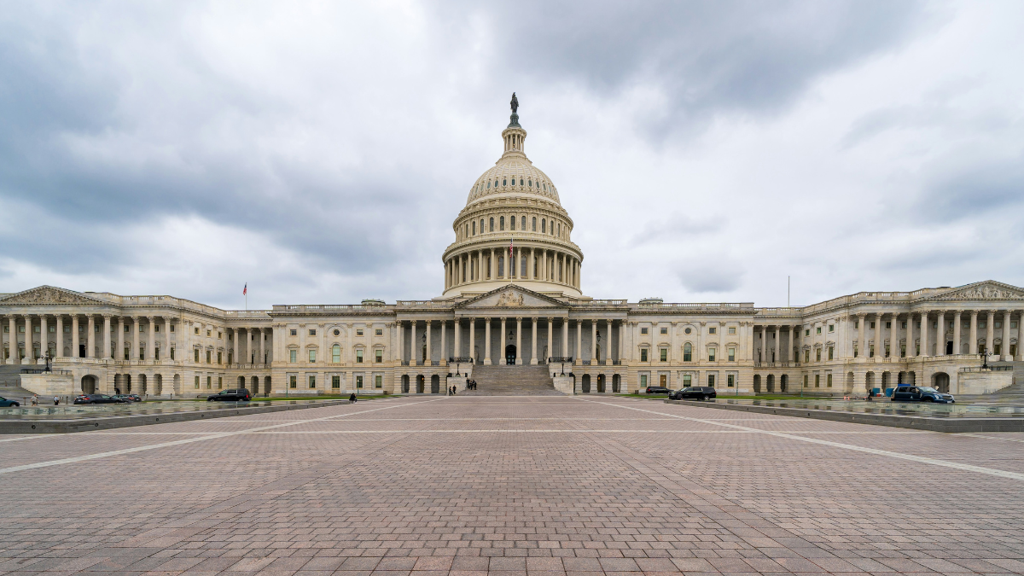
Federal judges are currently facing increased scrutiny for alleged overreach in their rulings, which has prompted calls for Congress to reconsider the mechanisms for judicial accountability. Critics argue that recent decisions made by judges, such as those by Fred Biery of the Western District of Texas, demonstrate a troubling trend of judges acting beyond their constitutional authority. This situation has raised significant concerns among lawmakers and legal experts alike.
The core issue revolves around the balance of power between the judiciary and the legislative branches, particularly concerning immigration policy. Critics assert that judges are improperly encroaching on areas designated for Congress and the executive branch, which undermines established laws and procedures. This encroachment raises fundamental questions about the separation of powers, a cornerstone of the U.S. government.
On January 31, 2026, Judge Biery issued a ruling that criticized the government's deportation practices, labeling them as a result of an “ill-conceived and incompetently-implemented government pursuit of daily deportation quotas.” In this ruling, he made broad claims without citing relevant case law or providing a clear connection to the specifics of the case before him. This lack of legal grounding has raised alarms among lawmakers and legal experts who argue that it reflects a pattern of judicial overreach that could have far-reaching implications.
In his ruling, Biery stated, “administrative warrants issued by the executive branch to itself do not pass probable cause muster.” However, he failed to support this assertion with legal precedent, which has led to concerns that judges are stepping outside their roles and making decisions that are more legislative than judicial in nature. This trend is troubling for those who believe in a strict interpretation of the roles of each branch of government.
Judicial Overreach Examples
Another prominent example of alleged judicial overreach is Judge James Boasberg, who has also been accused of exceeding his judicial authority. He has blocked deportation flights and issued subpoenas that some argue infringe upon the rights of Congress members. An appellate court noted that Boasberg’s actions “raise troubling questions about judicial control over core executive functions.” This situation raises serious concerns about the judiciary's role in matters traditionally reserved for the executive branch, such as foreign policy and national security, which are critical to the functioning of the government.
The issue of judicial accountability is further compounded by existing federal statutes that protect judges from disciplinary action related to their rulings. According to these laws, any complaint against a judge that pertains to the merits of a decision must be dismissed. This legal shield has led to frustration among critics who believe judges should be held accountable for their actions, especially when their decisions appear to overstep their authority.
Calls for Reform
Curtis Schube, the executive director of the Council to Modernize Governance, argues that the current system allows judges to operate with little oversight. He stated, “Judges need accountability,” emphasizing that while impeachment is an option, it is rarely effective due to the high threshold required for removal. Schube advocates for intermediate forms of discipline, such as censure or case reassignment, to address misconduct without undermining the essential independence of the judiciary. This perspective highlights the need for a balanced approach to judicial accountability that does not compromise the integrity of the judicial system.
Supporters of the current judicial system argue that the protections in place are necessary to maintain the independence of the judiciary, which is crucial for a functioning democracy. They contend that any reforms should carefully balance accountability with the need to protect judges from political pressures that could influence their decision-making. This ongoing debate underscores the complexity of judicial accountability in a democratic society.
Legislative Action Needed
As discussions about judicial accountability continue, some lawmakers are calling for a review of the statutes governing judicial discipline. They argue that reforms are necessary to ensure that judges cannot ignore the Constitution or federal law without facing consequences. The potential for reform raises important questions about how best to maintain judicial independence while ensuring that judges adhere to their constitutional roles and responsibilities.
While the conversation around judicial accountability is ongoing, there has been no official response from Congress regarding specific reforms or investigations into the actions of judges like Biery and Boasberg. As the debate unfolds, the balance of power between the branches of government remains a critical issue for lawmakers and the public alike, highlighting the need for a thoughtful and measured approach to judicial accountability.