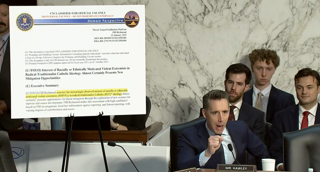
The Southern Poverty Law Center (SPLC) has recently been indicted for wire fraud and conspiracy to commit concealment money laundering. The indictment includes serious allegations that the SPLC funneled donations to pay informants within extremist groups, notably including the Ku Klux Klan (KKK). This revelation has ignited a significant debate regarding the SPLC's practices and the role of the Biden administration's Department of Justice (DOJ) and FBI in overseeing these actions. The situation raises critical questions about the intersection of law enforcement, transparency, and ethical standards in organizations that claim to combat hate.
The core issue revolves around whether the SPLC's alleged funding of informants in extremist organizations constitutes a legitimate law enforcement practice or a breach of trust with its donors. Critics argue that the SPLC misled its supporters about the actual use of their contributions. They contend that the organization has a responsibility to be transparent about how donations are utilized, especially when they are being used to support individuals associated with groups that the SPLC publicly denounces. On the other hand, some officials suggest that the involvement of federal agencies complicates the narrative and may provide a defense for the SPLC's actions.
The indictment, which was announced last month, claims that the SPLC did not inform its donors that their contributions were being used to support individuals associated with extremist groups. Acting Attorney General Todd Blanche stated that the SPLC was "manufacturing racism to justify its existence." This statement underscores the gravity of the allegations and raises questions about the transparency and ethical standards of organizations that claim to combat hate.
SPLC's Defense and Federal Oversight
During a recent press conference hosted by the Democracy Defenders Fund, former Obama official Norm Eisen suggested that the SPLC's actions could be justified because federal law enforcement agencies were aware of its informant program. Eisen argued that the indictment's claims do not hold water, stating, "The claim that SPLC committed financial crimes... does not hold water." This perspective indicates a belief that the SPLC's actions may have been sanctioned or at least acknowledged by federal authorities.
Associate Attorney General Vanita Gupta echoed Eisen's sentiments, noting that the indictment describes the SPLC's paid informant program and its collaboration with federal law enforcement. Gupta asserted that the SPLC has worked to "keep communities safe from violence and racially motivated terror," despite the serious allegations against it. This perspective highlights a complex relationship between the SPLC and federal agencies, suggesting that the SPLC's actions may have been part of broader law enforcement strategies aimed at addressing extremism.
Allegations of Misconduct
The DOJ's press release details that the SPLC allegedly obtained donations through materially false representations about how the funds would be utilized. It is claimed that the organization opened bank accounts linked to fictitious entities to covertly pay individuals involved in the scheme. The indictment suggests that these actions were designed to obscure the true nature and source of the funds, raising concerns about the integrity of the SPLC's fundraising practices.
Eisen's call for the release of grand jury transcripts indicates a desire for further scrutiny of the indictment's basis. He stated, "The grand jury transcripts must be released so that it can be determined whether the grand jury knew that the Department of Justice and FBI knew that informants were being utilized and paid by the SPLC." This statement raises questions about the accountability of both the SPLC and the federal agencies involved in this case.
Broader Implications
The SPLC's indictment has broader implications for how organizations that combat hate and extremism are funded and operate. Critics argue that if the SPLC misled its donors, it could undermine public trust in similar organizations that rely on donations to fund their work. Supporters of the SPLC, however, maintain that its work is vital for community safety and that the collaboration with federal agencies is a standard practice in law enforcement efforts to combat hate and violence.
As the situation unfolds, it remains to be seen how the SPLC will respond to the allegations and whether federal agencies will face scrutiny for their oversight of the organization. The controversy highlights the delicate balance between combating extremism and maintaining transparency and accountability in funding and operations. The outcome of this case could have lasting implications for the SPLC and similar organizations in the future.