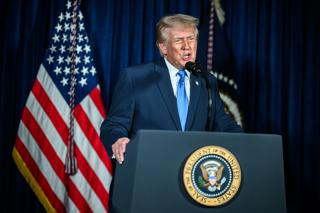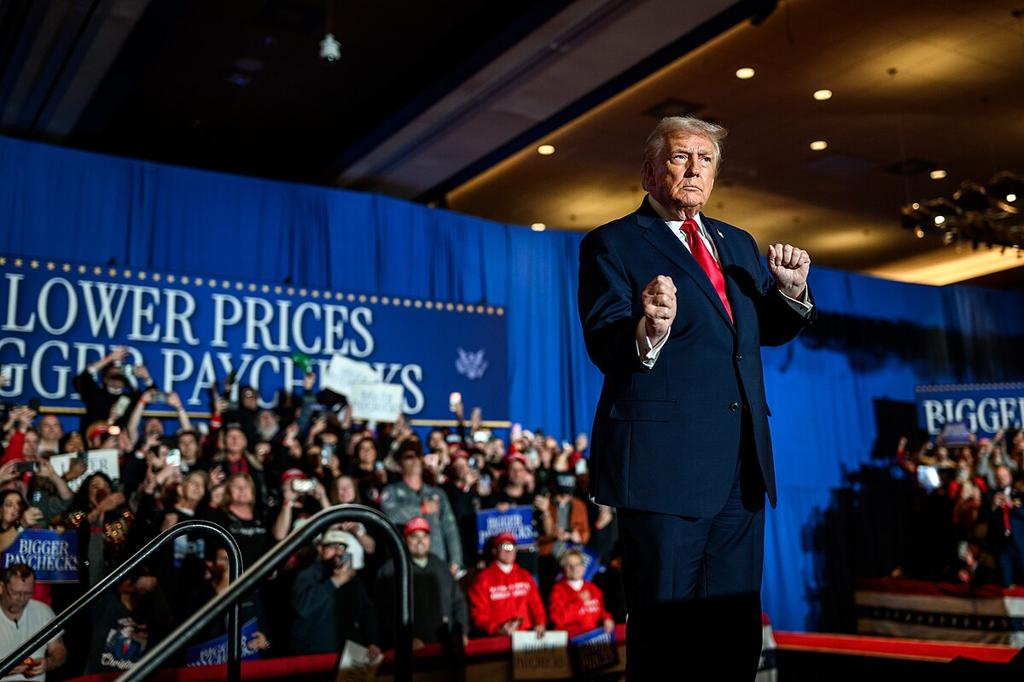
The Supreme Court heard arguments this week in the case of Trump v. Slaughter, which could significantly alter the balance of power between the presidency and independent federal agencies. The case centers on former President Donald Trump’s decision to fire Rebecca Slaughter, a Democrat member of the Federal Trade Commission (FTC). A key question is whether the Court will overturn a longstanding precedent that limits presidential authority over such agencies, potentially reshaping the dynamics of executive power.
Supreme Court Case Could Shift Power Dynamics Between President and Independent Agencies
The core issue at stake is whether the Supreme Court will uphold the 1935 decision in Humphrey’s Executor v. U.S., which allows Congress to restrict a president's ability to remove officials from independent agencies. Critics of this precedent argue that overturning it could empower future presidents to exert greater control over these agencies, which may undermine their independence and ability to function free from political influence.
Background and Reactions
Independent agencies, such as the FTC, have often been described as a de facto fourth branch of government. They operate with a degree of insulation from presidential oversight, which is intended to protect them from political pressures that could compromise their regulatory functions. Supporters of maintaining the current framework argue that this independence is crucial for preventing political interference in regulatory matters, ensuring that decisions are made based on expertise rather than political considerations.
Media coverage of the case has sparked intense debate, with some outlets suggesting that a ruling in favor of Trump would grant him unprecedented power. A headline from Mother Jones stated, "SCOTUS’s GOP Justices Are About to Hand Trump Way More Power." Similarly, The Economist warned that the Supreme Court might be handing Trump more authority than ever before, raising alarms about the potential consequences for the balance of power in government.
In contrast, proponents of overturning Humphrey’s Executor argue that the current structure allows independent agencies to operate without accountability to the elected president. They contend that this lack of accountability undermines the constitutional principle of separation of powers. One analyst familiar with the case stated, "To argue that a president should not be able to remove certain executive officials unless it comports with Congress’s mandated requirements is to argue that he should not be permitted to fully execute the powers prescribed to him by the Constitution."
The potential implications of this case extend beyond Trump. If the Court decides to overturn the precedent, it could set a new standard for how independent agencies operate and their relationship with the executive branch. This has raised concerns among critics who fear that such a shift could lead to increased politicization of regulatory bodies, which could compromise their effectiveness and integrity.
Supporters of the administrative state, including some legal experts, argue that maintaining the current framework is essential for ensuring that regulatory agencies can function without political pressure. They assert that independent agencies play a vital role in protecting the public interest, particularly in areas such as consumer protection and environmental regulation. The independence of these agencies is seen as a safeguard against the whims of political leadership, ensuring that regulations are based on sound policy rather than political expediency.
As the Court deliberates, the media narrative continues to evolve. Some commentators are expressing skepticism about the potential outcomes. Ian Millhiser of Vox suggested that the conservative justices might reshape the separation of powers into a hierarchy that favors a more powerful executive. He argued that this could diminish Congress's role in overseeing independent agencies, leading to a concentration of power that could have lasting implications for governance.
Despite the heated discussions surrounding the case, some officials have not publicly addressed the specific criticisms raised by opponents of the administrative state. The lack of response from key figures in the current administration leaves room for speculation about the implications of a ruling in favor of Trump. This silence may reflect a strategic decision to avoid inflaming the debate further or a genuine uncertainty about how to respond to the complexities of the case.
As the Supreme Court prepares to issue its decision, the stakes remain high. The outcome of Trump v. Slaughter could redefine the relationship between the presidency and independent agencies, potentially altering the landscape of American governance for years to come. The Court's ruling is expected to be announced in the coming months, and its implications will likely reverberate through the political and regulatory spheres, influencing how power is exercised in the federal government.