Two men died in separate incidents during recent immigration enforcement traffic stops, prompting renewed debate over the risks and responsibilities of deportation operations in the United States.
Explainer Understanding Public Safety Trends: Crime Declines and Rising Challenges for Law Enforcement
The deaths highlight ongoing tensions between federal immigration authorities' efforts to enforce removal orders and criticism from Democratic officials and activists who oppose aggressive deportation tactics. These incidents have added urgency to the national conversation about how immigration laws are enforced and the potential dangers involved for both law enforcement and those subject to removal.
The incidents come amid heightened scrutiny of immigration enforcement practices, with federal officials and political leaders divided over how to balance public safety and the rights of people in the country illegally. The debate reflects broader divisions in American society over immigration policy, law enforcement, and the role of federal agencies in local communities.
Details of the Fatal Incidents
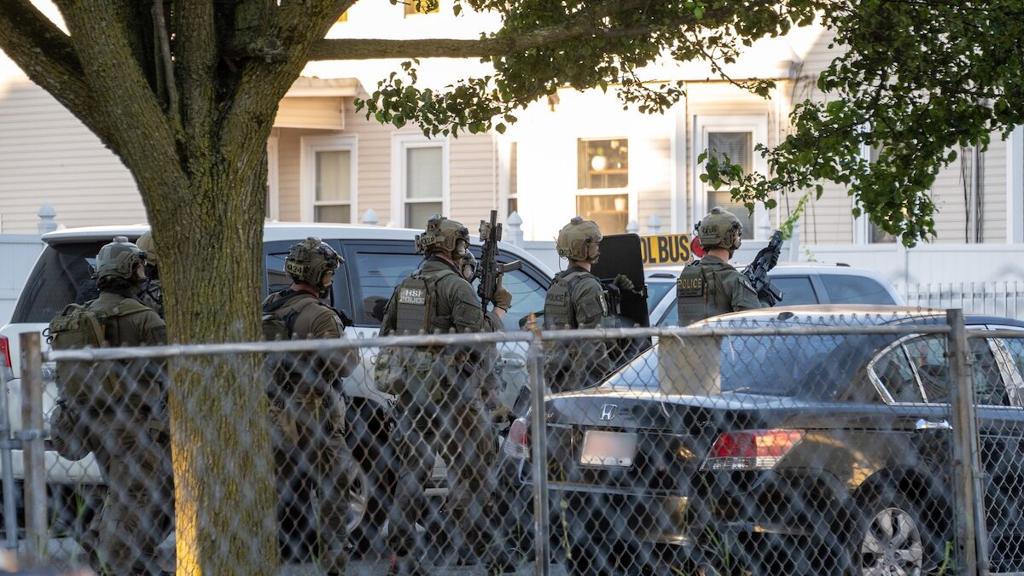
On Monday, U.S. Immigration and Customs Enforcement (ICE) agents shot and killed 26-year-old Colombian national Joan Sebastian Guerrero in Biddeford, Maine, after he attempted to flee a traffic stop, according to ICE. The agency stated that an officer discharged his weapon "fearing for public safety," resulting in Guerrero's death. ICE has not released further details about the sequence of events or whether Guerrero was armed, and the incident remains under investigation.
Last week in Houston, Mexican national Lorenzo Salgado Araujo, 52, was also shot and killed during a traffic stop by immigration authorities. ICE said Araujo had "weaponized his vehicle" and that officers fired in self-defense. As with the Maine incident, authorities have not provided additional information about the events leading up to the shooting, and it is unclear whether body camera or dashcam footage exists.
No publicly available videos have emerged that clearly show what happened in either case, and details remain limited. ICE has not released further information about the circumstances of the shootings, and both cases are expected to be reviewed by internal investigators and possibly outside agencies. The lack of video evidence has fueled calls from some advocates for greater transparency and independent oversight of immigration enforcement operations.
Administration Response and Policy Debate
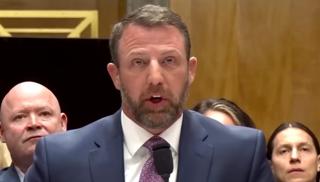
In response to the incidents, Homeland Security Secretary Markwayne Mullin reportedly instructed law enforcement on Tuesday to "cease all non-urgent vehicle stops" related to immigration enforcement. The move signals a shift in operational priorities, at least temporarily, as officials review current practices. Some critics, however, argue that suspending such stops sends the wrong message about the seriousness of immigration violations and could undermine enforcement efforts.
"Any action that carries the whiff of a suggestion that the problem isn’t the nearly 20 million illegal aliens in this country ... but rather the attempt to remove them is precisely the wrong signal."
— Eddie Scarry, columnist
Some commentators have argued that attempts to evade law enforcement or resist arrest create dangerous situations for officers, suspects, and bystanders. "Attempting to evade law enforcement or resist arrest is dangerous and can prove deadly," wrote Eddie Scarry, a columnist for The Federalist. Supporters of stricter enforcement contend that officers are often placed in difficult and unpredictable situations when suspects attempt to flee or resist, increasing the risk of violence.
The policy shift comes as federal agencies face mounting pressure to review their tactics and ensure that enforcement actions do not unnecessarily endanger lives. The debate over how best to enforce immigration laws while minimizing risk remains unresolved, with both sides citing concerns about public safety and civil rights.
Political Reactions and Public Opinion
Critics of current enforcement policies, including Democratic officials, have called for halting deportations in response to the deaths. They argue that aggressive tactics endanger both immigrants and the broader community, and that alternative approaches should be considered. Advocacy groups have also raised concerns about the use of force in immigration operations and called for greater accountability.
Supporters of stricter enforcement, however, contend that resistance to federal immigration law by Democratic leaders has made deportations more dangerous and complicated for agents. They argue that local policies limiting cooperation with ICE can create confusion and increase the likelihood of confrontations during enforcement actions.
The article claims that a majority of Americans support deportation of people in the country illegally, though no polling data is cited. Democratic officials and advocacy groups have not publicly responded to the latest incidents, and ICE has not commented on calls for policy changes. The lack of official statements from key stakeholders has left many questions unanswered about the future direction of enforcement policy.
The debate over immigration enforcement remains a central issue as federal agencies and local governments navigate conflicting priorities and public pressure. As investigations into the recent fatal incidents continue, both supporters and critics of current policies are likely to intensify their efforts to shape the national conversation on immigration and law enforcement tactics.