Charlie Kirk, a prominent figure in the conservative movement, was known for his ability to articulate the challenges facing the right. His understanding of ideological battles and his focus on family values and faith resonated with many supporters. Kirk's death has raised concerns about the future of conservative discourse and the threats posed by political violence.
Kirk's influence extended beyond mere rhetoric; he aimed to redirect conversations towards meaningful actions, such as marriage and community engagement. His passing is viewed as a significant loss for conservatives, who see him as a leader capable of redefining the movement away from traditional establishment views.
In the wake of his murder, some commentators have noted a troubling trend among certain Republicans who have criticized right-wing responses to the incident. For instance, Senator Thom Tillis condemned what he termed 'cheap, disgusting, and awful' rhetoric from the right, while others have suggested that blaming the left for Kirk's death is counterproductive.
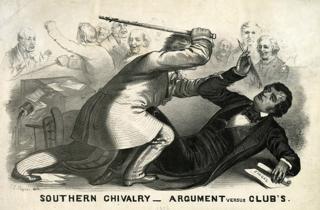
The narrative surrounding Kirk's assassination highlights a growing divide in how political violence is perceived. Supporters argue that the left's rhetoric has contributed to a climate where violence against conservatives is normalized. They assert that the shooter, influenced by extremist ideologies, represents a broader threat that must be addressed through legal and political means.
Critics of the left point to historical patterns of left-wing violence and the role of organizations that label conservative groups as hate entities. They argue that this labeling fosters an environment where violence is seen as an acceptable response to ideological disagreements.
As discussions about Kirk's legacy continue, some conservatives are calling for a reevaluation of how political discourse is conducted. They emphasize the need to confront the ideologies that incite violence and to hold accountable those who perpetuate a culture of hostility.
Kirk's murder has prompted a reevaluation of the risks faced by conservatives in today's political climate. Advocates for a more assertive response argue that ignoring the threats posed by radical elements on the left could lead to further violence and division.
In conclusion, the aftermath of Charlie Kirk's death serves as a stark reminder of the ideological battles at play in American politics. As conservatives reflect on his contributions, they are also faced with the pressing need to address the underlying issues that contribute to political violence and division.