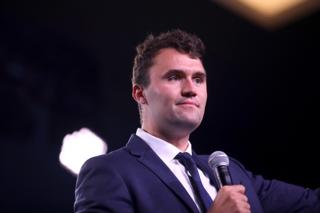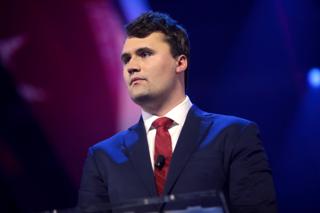
The recent assassination of Turning Point USA founder Charlie Kirk has intensified discussions about leftist violence in America, particularly against conservatives. Following the incident, many Republican officials condemned the act, but few provided actionable plans to address the violence affecting their constituents.
Explainer Understanding the Transgender Discourse: Rights, Policies, and Challenges
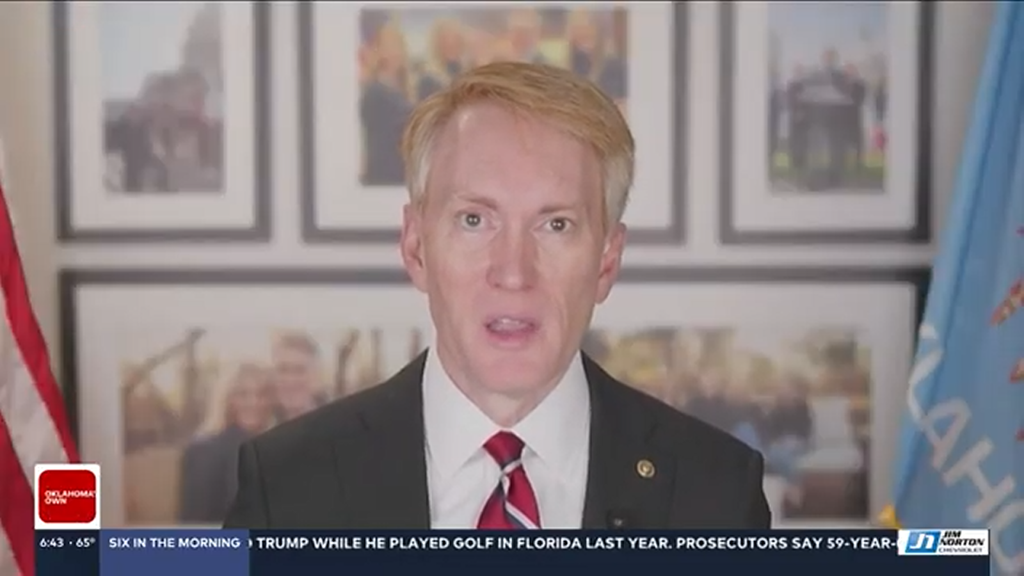
Senator James Lankford of Oklahoma addressed Kirk's assassination in a recent interview, emphasizing civility and faith in public discourse. While his call for civil dialogue is commendable, critics argue that it falls short of addressing the urgent need for a more robust response to violence against conservatives.
Lankford's comments, while well-intentioned, were criticized for lacking a concrete action plan. He posed a question to his audience about discussing disagreements, a principle Kirk embodied by engaging with differing viewpoints on college campuses. However, Kirk's assassination highlighted the risks associated with such engagement, raising concerns about the safety of those who challenge radical leftist ideologies.
Senator Thom Tillis of North Carolina also faced scrutiny for his reaction to Kirk's assassination. While he expressed prayers for Kirk, he later criticized conservative pundits who voiced outrage over the incident. Tillis described their responses as opportunistic and distasteful, suggesting that some Republican leaders are more focused on maintaining a certain narrative than addressing the underlying issues of violence.
Critics argue that many Republicans, including Lankford and Tillis, do not recognize the severity of the threat posed by radical leftist groups. The rise of organized groups like Antifa has contributed to a climate of fear for conservatives and Christians, leading to calls for a more aggressive stance against leftist violence.
Advocates for a stronger response argue that elected Republicans must utilize all legal mechanisms available to combat this violence. This includes investigating financial support for violent acts and holding accountable those who incite or participate in such behavior. The call for action extends beyond national leaders, urging state and local officials to take proactive measures to ensure the safety of their constituents.
The ongoing violence against conservatives raises critical questions about the future of political discourse in America. As some Republican leaders appear hesitant to confront these issues, there is a growing demand for representatives who are willing to take a stand against leftist violence. The safety and security of American citizens depend on leaders who are prepared to address these challenges head-on.
In conclusion, the assassination of Charlie Kirk has sparked a renewed focus on the need for decisive action against leftist violence. As the political landscape evolves, the Republican Party faces pressure to adopt a more assertive approach to protect its constituents and uphold the principles of civil discourse and safety.