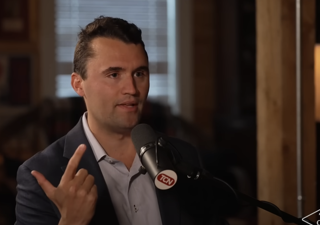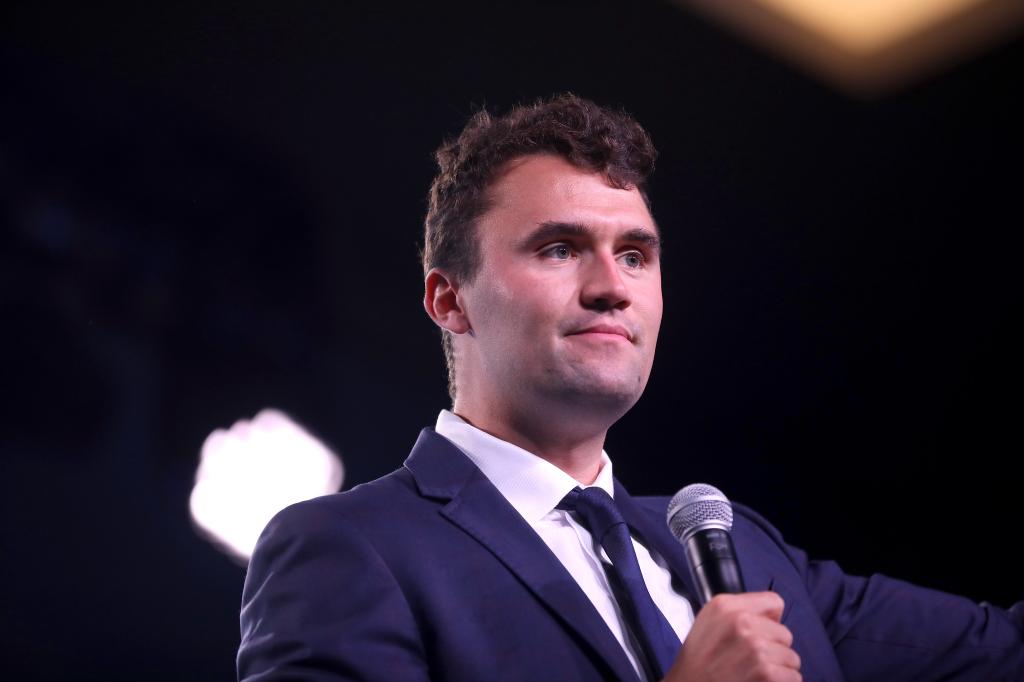
Charlie Kirk, a prominent conservative figure, was fatally shot on Wednesday during an event at Utah Valley University. The gunman remains unidentified, and the incident has sparked widespread debate about its implications for political discourse in the United States.
Explainer Understanding the Transgender Discourse: Rights, Policies, and Challenges
Kirk, 31, was known for his outspoken views on various social and political issues, including abortion, law enforcement, and education. Following his death, President Donald Trump referred to the act as an assassination, a sentiment echoed by Utah's governor during a press conference earlier that day. The language surrounding Kirk's death has ignited discussions about political violence and its potential motivations.
In the wake of the shooting, many are reflecting on Kirk's impact as a conservative activist. He was recognized for his ability to engage younger audiences and articulate conservative principles, which he believed were essential for the future of the country. His supporters argue that his commitment to these beliefs made him a target for those opposed to his views.
Kirk's advocacy extended beyond traditional political issues; he often emphasized the importance of faith in his life and work. He frequently spoke about his Christian beliefs and how they informed his political stance. This aspect of his identity has led some to describe him not only as a political figure but also as a martyr for his faith.
The aftermath of Kirk's death has prompted discussions about the current state of political rhetoric in the U.S. Some commentators have drawn parallels to historical assassinations, suggesting that Kirk's murder represents a dangerous escalation in political violence. Others warn that such events could lead to increased polarization and conflict within the country.
As the nation grapples with the implications of Kirk's assassination, there is a growing call for leaders to address the underlying issues that contribute to political violence. Advocates for change emphasize the need for a more civil discourse in politics, urging both sides to reflect on their roles in fostering a culture that either promotes or condemns violence.
In the face of tragedy, many are also turning to faith as a source of comfort and guidance. Kirk's legacy, particularly his emphasis on faith, continues to resonate with his supporters, who view his life as a testament to the power of conviction and belief.
As the investigation into Kirk's death continues, the broader implications for American society remain to be seen. The discourse surrounding his assassination highlights the urgent need for dialogue about political violence and the responsibilities of public figures in shaping that conversation.