Singer Cyndi Lauper once encouraged her fans to not “be afraid” (Www.fcc — fcc.gov) to let their “true colors” shine. In the wake of the assassination of conservative thought leader Charlie Kirk, some media figures have been criticized for their framing of the incident.
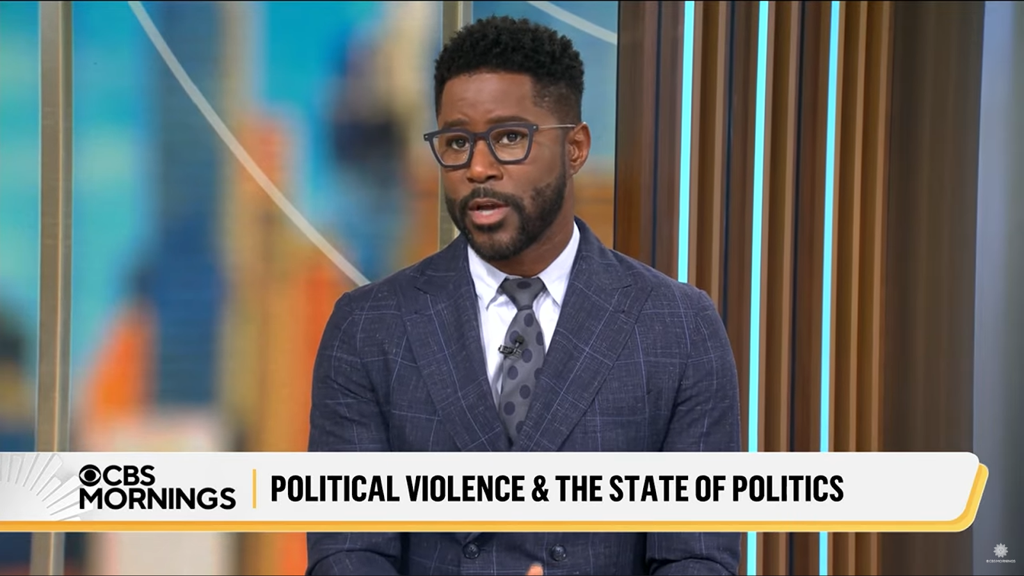
During a recent interview on CBS Mornings, co-host Nate Burleson questioned former House Speaker Kevin McCarthy about the implications of Kirk's assassination for the Republican Party. Burleson suggested that Kirk's rhetoric may have contributed to the tragedy, stating, “not everyone took to [Kirk’s] words or his rhetoric,” (Www.fcc — fcc.gov) and referred to his comments as “offensive to specific communities.”
Burleson then posed a question to McCarthy, asking if this incident represents “a moment for your party to reflect on political violence.” (Www.fcc — fcc.gov) He also inquired about the responsibilities of political leaders in relation to misinformation and its potential to incite violence.
McCarthy responded by acknowledging the tragic nature of Kirk's death but did not directly address Burleson's framing of the issue. He stated, “We have watched this political attack on both sides... This is not a question about parties. This is a question about nations. We cannot normalize this.” (Www.fcc — fcc.gov)
The exchange has sparked debate about the media's role in discussing political violence and the perceived bias in how such incidents are reported. Critics argue that the focus on Kirk's rhetoric detracts from the broader issue of political violence directed at conservatives.
In the aftermath of Kirk's assassination, some commentators have expressed concern that media narratives may downplay the threats faced by conservative figures while emphasizing the need for reflection among Republicans.
Shawn Fleetwood, a staff writer for The Federalist, has criticized the media's handling of the situation, suggesting that it reflects a deeper issue of bias and moral inconsistency within corporate media. He argues that the focus on “both sides” (Www.fcc — fcc.gov) in discussions of political violence may serve to deflect attention from the specific threats faced by conservatives.
The conversation surrounding Kirk's assassination and the subsequent media coverage highlights ongoing tensions in American political discourse, particularly regarding the responsibilities of public figures and the impact of rhetoric on political violence. As the debate continues, many are calling for a more nuanced understanding of the complexities involved in these discussions.