As the Virginia midterm elections approach, Democratic leaders are under scrutiny for their handling of political violence and rhetoric. On September 12, Rep. Eugene Vindman joined fellow Virginia Democrats in condemning political violence following the assassination of conservative figure Charlie Kirk. "The rise in political violence … is disturbing and unacceptable," Vindman stated, emphasizing the need for respectful political discourse.
Explainer Navigating Virginia's Electoral Landscape: Key Issues and Reforms
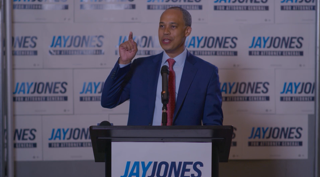
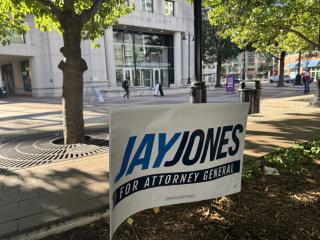
However, Vindman later re-endorsed Jay Jones, a Democratic candidate for attorney general, despite Jones' past texts that suggested violent fantasies against a Republican politician. Vindman urged voters to support Democrats, stating, "It’s time for our Commonwealth to send a message that we’re tired of Republican chaos."
Virginia Democrats elected Jones, along with other liberal candidates, despite the controversy surrounding his rhetoric. Vindman, who has been a prominent figure in Democratic fundraising, faces criticism for endorsing a candidate with a history of violent language.
In New Hampshire, the Democratic primary has also seen contentious rhetoric. Maura Sullivan, a candidate in the open 1st Congressional District race, was photographed with a sign that included the phrase "86 47," a reference interpreted as a call for violence against former President Trump. Sullivan's campaign asserted that she does not support violence in politics, but New Hampshire Republicans expressed concern over her associations.
"Calls for political violence like this have no place in New Hampshire," said Granite State GOP chairman Jim MacEachern.
The issue of political violence has become a focal point in the broader national conversation. A recent NBC News poll indicated that over 60% of registered voters believe extreme political rhetoric contributed to Kirk's assassination. This sentiment crosses party lines, with majorities of independents and Democrats also attributing blame to heightened rhetoric.
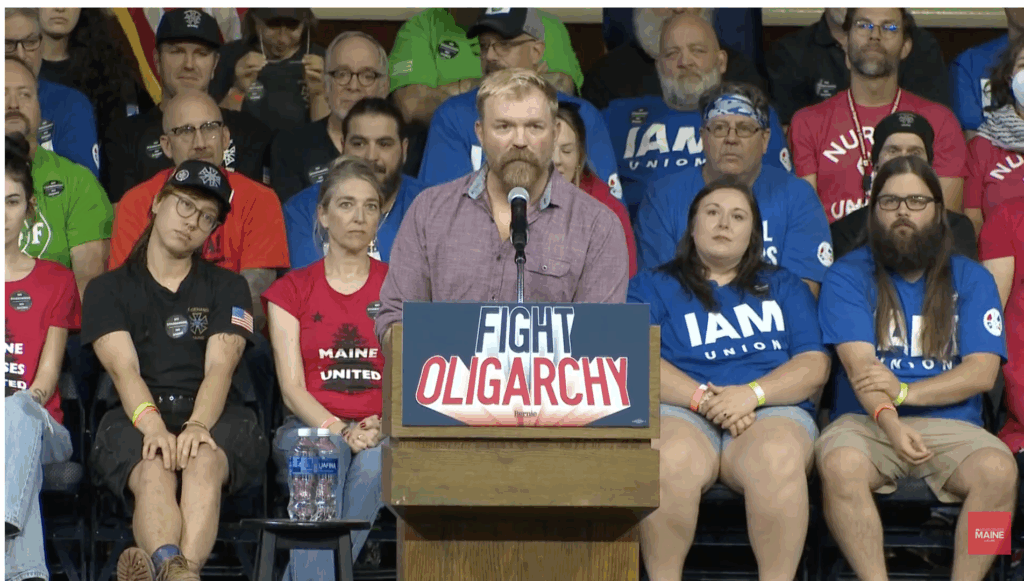
In Maine, Democratic candidate Graham Platner faced backlash for suggesting that violence could be justified in the pursuit of social change. His past comments, which included advocating for armed resistance against perceived fascism, have resurfaced as he campaigns against Republican Sen. Susan Collins.
The increasing normalization of violent rhetoric among some Democratic candidates raises concerns about its impact on general election prospects. Mike Marinella, spokesman for the National Republican Congressional Committee, stated, "Democrats are so desperate to appease their far-left base that they’re now normalizing disgusting and dangerous political violence."
As the midterms draw closer, the Democratic Party's approach to political discourse and violence will likely be a critical issue for voters, potentially influencing outcomes in key races across the country.