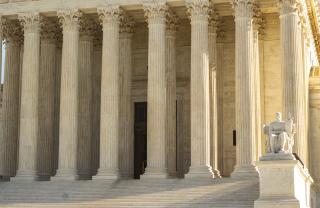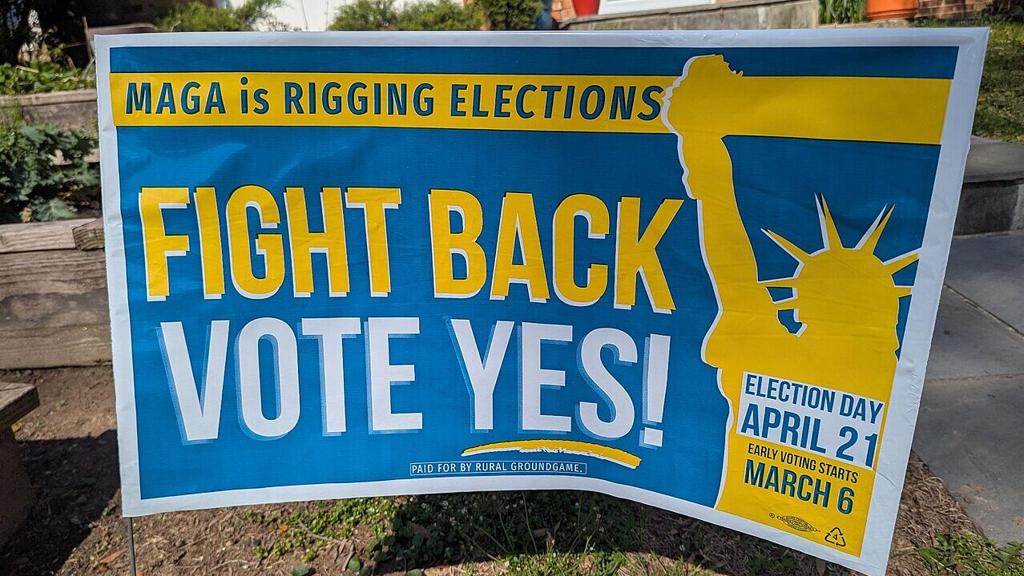
The Virginia Supreme Court ruled on Friday that a proposed Democratic redistricting map was unconstitutional, a decision that carries significant implications for Republican electoral strategies in Virginia and potentially across the nation. The court's 4-3 ruling determined that the Democrats' plan, which aimed to create a 10-1 congressional map favoring their party, violated the state constitution's requirement that constitutional amendments must be passed by two different General Assembly sessions before being presented to voters. This ruling not only impacts the immediate political landscape in Virginia but also sets a precedent that could resonate in other states grappling with similar redistricting challenges.
Explainer Navigating Virginia's Electoral Landscape: Key Issues and Reforms
The ruling underscores a broader tension in the ongoing redistricting battles across the United States, where both major political parties are engaged in efforts to maximize their electoral advantages. Virginia Democrats' failure to secure their desired map not only cost them potential congressional seats but also inadvertently provided momentum for Republican redistricting efforts in other states. The court's decision highlighted that the proposed map would have eliminated four Republican-held seats, a move deemed unconstitutional due to the manner in which the amendment was presented to voters. The court stated, "This violation irreparably undermines the integrity of the resulting referendum vote and renders it null and void." The Democrats had passed the referendum just days before the November 2025 election, raising questions about the timing and legitimacy of the process.
Financial and Political Costs
The financial implications of the failed redistricting effort are notable, with Virginia spending over $5 million on a special election related to the referendum. Activist organizations reportedly raised upwards of $60 million to influence voter perceptions regarding the proposition. Despite the significant expenditure, the political fallout for Virginia Democrats appears to be more severe than the financial costs incurred. Critics argue that the Democrats' attempt to gerrymander the state has backfired, providing Republicans with a clearer path to redistricting in states like Florida and Alabama. Elle Purnell, Assignment Editor at The Federalist, remarked, "Virginia Democrats have done more to deliver seats for Republican voters than Indiana Republicans have." This sentiment reflects a growing concern among Democrats about the ramifications of their redistricting strategy and the potential for a shift in voter sentiment as a result.
National Implications
The Virginia decision has broader implications for national redistricting efforts. Following the court's ruling, Republican leaders in states such as Florida have moved to capitalize on the situation. Florida Governor Ron DeSantis signed a new congressional map that aims to counteract the Democratic gains anticipated from Virginia's gerrymandering attempt. According to reports, Virginia's referendum has galvanized Republican redistricting efforts across the country, with states like Tennessee and Alabama also looking to adjust their maps in light of the ruling. The ruling has prompted discussions about the integrity of redistricting processes nationwide. Some experts suggest that the Virginia case could serve as a cautionary tale for other states considering similar gerrymandering tactics. While Republicans have been quick to seize the opportunity presented by Virginia Democrats' missteps, some Democratic officials have not yet publicly addressed the implications of this ruling or how it might affect their strategies moving forward.
Future of Redistricting in Virginia
As the political landscape shifts, the future of redistricting in Virginia remains uncertain. Last year, a significant number of Republican state senators voted against redistricting in Indiana, where the current congressional makeup includes two Democratic seats and seven Republican seats. This reluctance among Indiana Republicans contrasts sharply with the aggressive tactics employed by Virginia Democrats, which ultimately backfired. The Virginia Supreme Court's decision has not only reshaped the state's congressional map but has also set a precedent that may influence redistricting efforts in other states. As the political environment continues to evolve, both parties will likely reassess their strategies in light of this ruling and its implications for future elections. The outcome of this case may serve as a pivotal moment in the ongoing struggle over redistricting and its impact on electoral outcomes in the years to come.