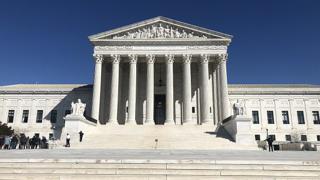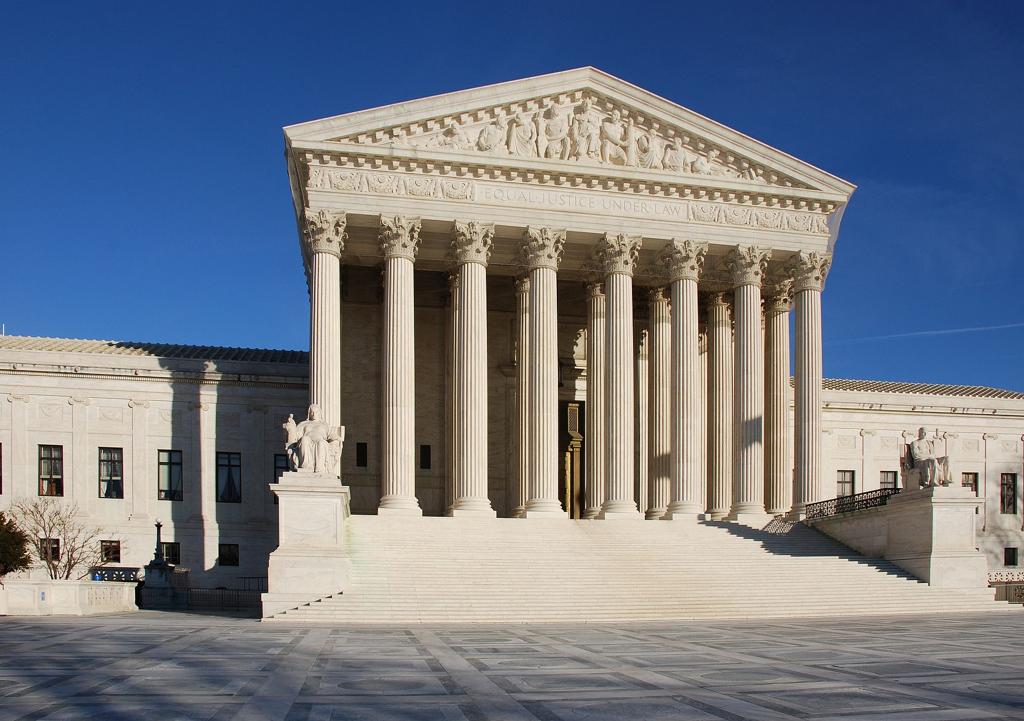
Democratic lawmakers are intensifying their calls to expand the Supreme Court, particularly in the wake of a recent ruling that struck down race-based redistricting in Louisiana. This renewed push for court expansion has sparked significant debate over the implications for judicial independence and the balance of power within the government, raising questions about the future of the judiciary in American democracy.
Democrats Renew Push for Supreme Court Expansion Following Controversial Ruling
The core tension surrounding this issue revolves around whether expanding the Supreme Court would undermine its legitimacy and the principle of separation of powers. Critics argue that such a move could turn the court into a political tool for the Democratic Party, effectively politicizing an institution that has historically been seen as a neutral arbiter of the law. Supporters of court expansion, however, contend that it is a necessary measure to counteract what they perceive as a partisan judiciary that does not adequately represent the interests of all Americans.
Background and Reactions
The push for court expansion gained significant momentum after the Supreme Court's decision in Louisiana v. Callais, which has been characterized by some Democratic officials as a partisan attack on voting rights. In response to this ruling, several Democratic officials have openly advocated for adding justices to the court, arguing that the current composition is not reflective of the diverse views within the country.
Senator Ruben Gallego of Arizona stated in a recent post on social media, "This is the most partisan Supreme Court in the history of the nation. Time to add term limits and more justices." His comments reflect a growing sentiment among some Democrats that the current court composition is detrimental to democratic processes and the protection of civil rights.
Representative Ro Khanna of California echoed this sentiment, asserting that the next Democratic administration should take decisive action rather than merely forming a commission to study court reform. "We need term limits for Justices. We need to expand this morally bankrupt Court from 9 to 13," Khanna wrote, emphasizing the urgency of the situation as he sees it.
Other Democratic representatives, including Summer Lee of Pennsylvania, have also expressed support for court expansion as a means to protect voting rights and ensure fair representation. Lee emphasized the need for reform in light of what she described as systematic attacks on democracy, indicating that the current judicial landscape is failing to uphold the principles of equity and justice.
Critics of the court expansion proposal argue that such a move could further politicize the judiciary and damage its credibility. They contend that the Supreme Court should remain an independent body that interprets the law rather than becoming a political entity subject to the whims of the ruling party. This perspective highlights a fundamental concern about the integrity of the judicial system and its role in American governance.
Mollie Hemingway, Editor-in-Chief of The Federalist, has argued that the left's historical control of the Supreme Court has led to a perception that it is a vehicle for enacting partisan policies. In her book, she describes how past courts have operated as a "super-legislature," creating laws through judicial activism rather than adhering to constitutional principles. This critique underscores the fears that court expansion could exacerbate existing divisions and further entrench partisan agendas within the judiciary.
As the political landscape evolves, the stakes surrounding Supreme Court appointments have shifted dramatically. Elections are no longer solely about which party gets to appoint justices; they now encompass the fundamental question of whether the court's structure will change. This shift reflects a broader trend in American politics, where the judiciary is increasingly viewed as a battleground for ideological conflicts.
Should Democrats succeed in their efforts to expand the court, it could fundamentally alter the judiciary's role in American governance. Critics warn that such a change could erode the court's legitimacy and disrupt the balance of power established by the Constitution. The implications of court expansion could be far-reaching, affecting not only the judiciary but also the broader political landscape.
While some Democratic leaders have been vocal about their support for court expansion, others have not publicly addressed the criticisms surrounding this strategy. The debate continues to unfold as the 2024 elections approach, with both parties closely monitoring public sentiment on this contentious issue. The outcome of this debate may well shape the future of the Supreme Court and its role in American democracy for years to come.