TLT Explains
Virginia Supreme Court Invalidates Democratic Redistricting Plan, Shaping Future Electoral Maps
What's happening
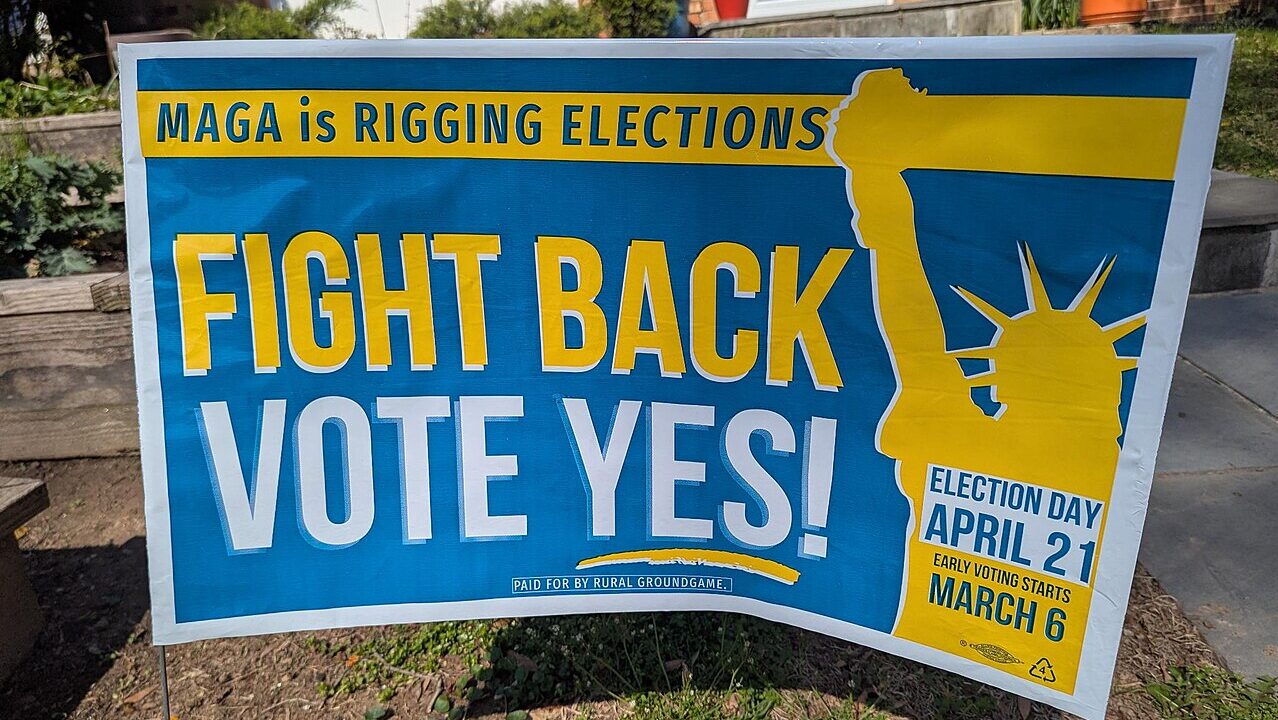
On Friday, the Virginia Supreme Court delivered a narrow 4-3 ruling that declared a proposed Democratic redistricting map unconstitutional, a decision that carries significant consequences for the political landscape in Virginia and potentially beyond. The contested map aimed to redraw congressional districts in a way that would have favored Democrats with a 10-1 seat distribution. However, the court found that the process used to approve this map violated the state constitution’s procedural requirements for amending electoral boundaries, specifically the mandate that amendments must be approved in two separate General Assembly sessions before being presented to voters.
This ruling marks a critical moment in Virginia’s ongoing battle over redistricting, a process that occurs every decade to reflect population changes captured in the census. Redistricting has become a highly contentious issue nationally, as both major parties seek to shape electoral maps to their advantage. In Virginia, Democrats had pushed for a map that would significantly reduce Republican representation by eliminating four Republican-held seats. The court’s decision, however, invalidated this effort, emphasizing that the procedural missteps undermined the legitimacy of the referendum vote that approved the map just days before the November 2025 election.
The court’s majority opinion underscored that the failure to comply with constitutional requirements "irreparably undermines the integrity of the resulting referendum vote and renders it null and void." This legal interpretation highlights the importance of following established legislative processes in redistricting efforts, reinforcing the checks designed to prevent rushed or partisan-driven changes. The ruling not only affects Virginia’s immediate congressional map but also sets a legal precedent that may influence how other states approach redistricting challenges, especially those involving constitutional amendments.
The political ramifications of this decision are substantial. Virginia Democrats’ attempt to secure a more favorable map ultimately backfired, costing them potential congressional seats and energizing Republican redistricting initiatives in other states. Activist groups reportedly invested more than $60 million to sway voter opinion on the referendum, reflecting the high stakes involved. Despite this financial commitment, the political fallout for Democrats appears to be more damaging than the monetary losses, as Republicans have seized on the ruling to bolster their own redistricting efforts in states like Florida, Alabama, and Tennessee.
What's at stake
Republican leaders in several states have already moved to capitalize on the Virginia decision. For example, Florida Governor Ron DeSantis recently signed a new congressional map designed to strengthen Republican representation ahead of upcoming midterm elections. The Virginia ruling has galvanized similar efforts elsewhere, with GOP lawmakers viewing the court’s decision as a cautionary tale for Democrats and an opportunity to advance their electoral interests. This dynamic underscores the broader national implications of Virginia’s redistricting dispute, as it could influence strategies and legal battles in states facing their own redistricting cycles.
Critics of the Democratic plan argue that the attempt to gerrymander districts in Virginia was overly aggressive and ultimately counterproductive. Some commentators have noted that the miscalculation by Virginia Democrats may have inadvertently handed Republicans an advantage not only in Virginia but also in other key battleground states. The ruling has intensified debates about the fairness and transparency of redistricting processes, highlighting the tension between partisan objectives and constitutional safeguards designed to ensure equitable representation.
The key actors in this saga include Virginia’s Democratic lawmakers who championed the new map, the Republican opposition seeking to preserve their seats, the Virginia Supreme Court justices who adjudicated the case, and activist organizations that funded campaigns around the referendum. Each group has distinct motivations: Democrats aimed to maximize their congressional influence, Republicans sought to protect their existing districts, the court focused on upholding constitutional procedures, and activists worked to shape public opinion. The interplay among these actors has shaped the unfolding political and legal drama surrounding Virginia’s redistricting.
Looking ahead, the future of redistricting in Virginia remains uncertain. The invalidation of the Democratic map means the state must revisit the drawing of congressional districts, likely reverting to previous boundaries or developing a new plan that complies with constitutional requirements. Both parties will be closely watching how this process unfolds, as it will influence electoral outcomes in the 2026 midterms and beyond. Additionally, the ruling may prompt legislative reforms or further legal challenges aimed at clarifying redistricting procedures and preventing similar disputes in the future.
Observers should monitor how Virginia lawmakers respond to the court’s decision and whether bipartisan cooperation emerges to create a fair and constitutionally sound map. The ruling also signals to other states the importance of adhering to procedural rules in redistricting, potentially shaping national debates and court cases. As the 2026 election cycle approaches, redistricting battles are expected to intensify, making Virginia’s experience a pivotal case study in the ongoing struggle over electoral representation in the United States.
Why it matters
The ruling disrupts Virginia Democrats’ plans to gain congressional seats, affecting party balance. It sets a legal precedent emphasizing strict adherence to constitutional procedures in redistricting. The decision energizes Republican efforts to pursue favorable redistricting in other states.
Significant financial resources were spent on the failed referendum, highlighting high political stakes. The case underscores ongoing national tensions over gerrymandering and electoral fairness.
Key facts & context
The Virginia Supreme Court ruled 4-3 that the Democratic redistricting plan was unconstitutional. The plan aimed to create a 10-1 congressional map favoring Democrats by eliminating four Republican seats. Virginia’s constitution requires constitutional amendments to pass two separate General Assembly sessions before voter approval.
The referendum approving the map was passed days before the November 2025 election. Activist organizations spent over $60 million to influence voter perceptions on the referendum. Virginia spent more than $5 million on a special election related to the redistricting referendum.
Republican leaders in states like Florida have moved to adopt new maps following the Virginia ruling. The ruling highlights the importance of procedural compliance in redistricting efforts nationwide. The decision may influence redistricting strategies in other states including Alabama and Tennessee.
The Virginia Supreme Court’s ruling has drawn national attention to the legal limits of partisan redistricting.
Timeline & key developments
2026-05-08: Virginia Supreme Court Strikes Down Democratic Redistricting Plan. Additional reporting on this topic is available in our broader archive and will continue to shape this timeline as new developments emerge.
Primary sources
Further reading & references
- (Additional background links will appear here as we cover this topic.)
Related posts
- Virginia Supreme Court Approves Controversial Redistricting Referendum Ahead of April Election
- Supreme Court Rejects Virginia Democrats’ Appeal, Upholds Contested Congressional Map
- Democrats Renew Court-Packing Threats After Supreme Court Ruling on Redistricting
- Virginia Democrats Consider Court-Packing Strategy After Redistricting Setback
- House Subcommittee Hearing Highlights Divisions Over Court Packing