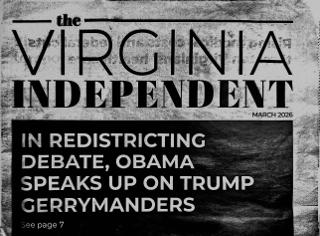
Virginia Democrats are advancing a ballot initiative that critics argue misrepresents a proposed gerrymandering plan as an effort to "restore fairness" in congressional representation. The ballot question, set for a vote in April, asks whether the Virginia Constitution should be amended to allow the General Assembly to temporarily adopt new congressional districts while ensuring that the standard redistricting process resumes after the 2030 census.
Explainer Navigating Virginia's Electoral Landscape: Key Issues and Reforms
The core tension lies in the perception of the proposed redistricting map, which critics claim would significantly favor Democrats, potentially altering the political landscape in Virginia for years to come. Supporters argue that the changes are necessary to ensure fair representation, while opponents contend that the initiative is a blatant attempt to consolidate political power.
The Virginia House of Delegates has already passed a congressional map that would shift the current representation from five Republicans and six Democrats to a projected ten Democrats and one Republican. Critics point out that this change would disenfranchise a substantial portion of the electorate, as over two million Virginians voted for Donald Trump in the 2024 election, yet fewer than 800,000 would be adequately represented under the new map.
Criticism of the Proposal
Republican leaders have voiced strong opposition to the proposed ballot language, calling it misleading. The Virginia Republican Party stated on social media, "Democrats’ illegal gerrymandering power grab is an affront to democracy and rigs our maps to turn Virginia into a one-party state." They further emphasized that 65% of voters rejected similar proposals in the 2020 elections, arguing that the current initiative is merely a strategy to maintain Democratic control.
Former Republican Delegate Mark Earley described the ballot language as "essentially fraud on the people of Virginia," highlighting the stark contrast between the term "fairness" and the reality of the proposed map, which he claims would create the most partisan legislative map in the country.
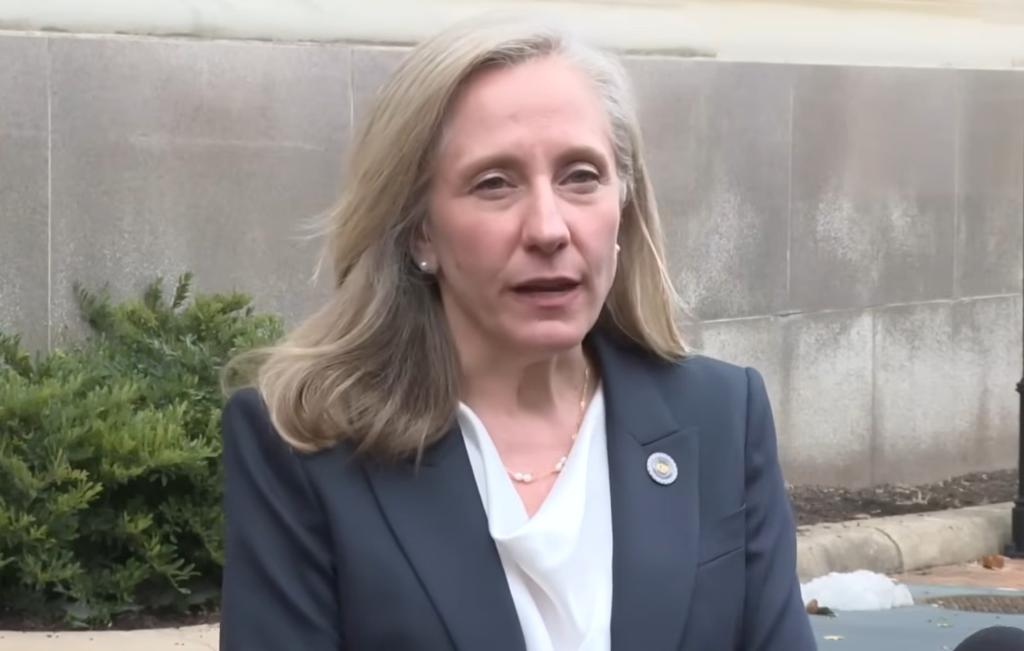
The proposed map has drawn particular scrutiny for its unusual shapes and boundaries, with districts that critics say are designed to maximize Democratic representation while minimizing Republican influence. For example, the proposed 7th District, once represented by Democratic Governor Abigail Spanberger, has been altered to connect deep-blue suburbs with more rural, Republican-leaning areas, creating a convoluted district that some have likened to a scorpion or lobster.
Funding and Support
National Democrats are reportedly planning to invest heavily in the campaign to support this initiative. House Minority Leader Hakeem Jeffries, D-N.Y., stated, "We will spend tens of millions of dollars to make sure that the Republicans do not successfully manipulate voters in Virginia." He emphasized the importance of providing voters with comprehensive information to make an informed decision about the proposed changes.
Despite the Democratic push, some observers have noted a lack of urgency among Republican leaders to combat the referendum. Christian Heiens, a Virginia resident, remarked on social media that many Republicans seem unaware of the implications of the upcoming election, suggesting that the lack of institutional effort could lead to a significant loss of congressional seats for the party.
Heiens expressed concern that the referendum could pass by a substantial margin, similar to California’s Proposition 50, which he believes would further entrench Democratic power in Virginia.
The Road Ahead
As the April 21 referendum approaches, the debate over the proposed redistricting map is likely to intensify. The Virginia Project, a political action committee, has pointed out that the National Republican Congressional Committee (NRCC) should be actively involved in opposing the referendum, yet they appear to be largely disengaged from the issue.
With significant financial backing from national Democratic organizations and a potential lack of coordinated Republican opposition, the outcome of the referendum could have lasting implications for Virginia's political landscape. As both sides prepare for the upcoming vote, the framing of the ballot language and the public's perception of fairness in representation will be crucial in determining the future of congressional districts in the state.