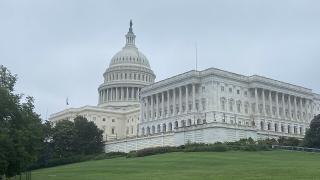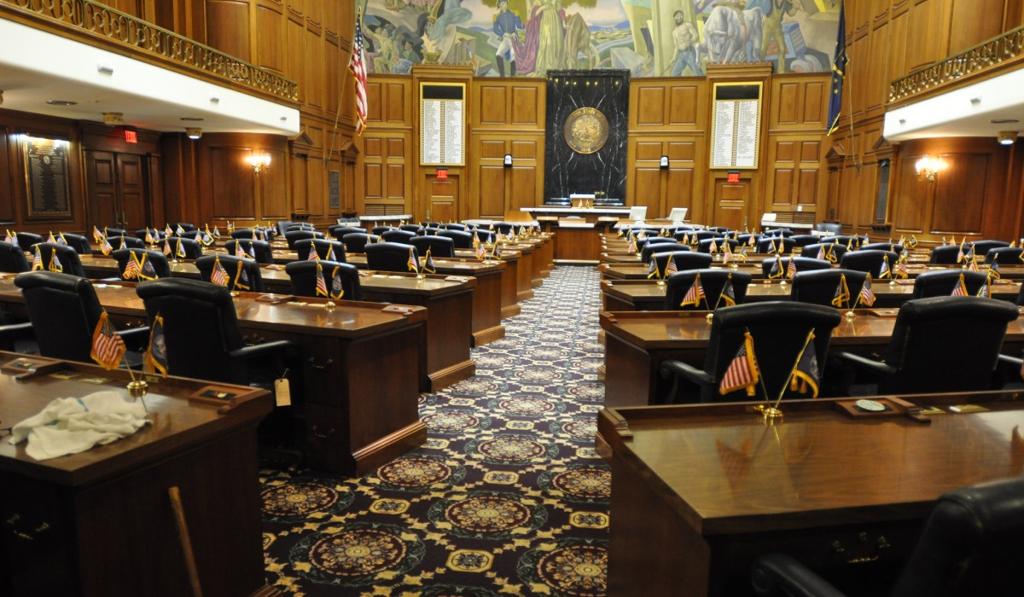
Indiana lawmakers are being urged to reconvene to address potential disparities in congressional representation following the 2020 Census. State Senator Liz Brown, representing Fort Wayne, has called for a swift legislative session to consider redistricting the state's congressional seats.
Explainer Redistricting Unveiled: How It Shapes American Elections and Governance
"Time is of the essence," (Oversight House) Brown stated, emphasizing the need for the Indiana legislature to fulfill its constitutional duty. She argues that the current congressional map does not adequately reflect the political balance of the state, particularly in light of the 2024 elections.
The call for redistricting comes as concerns grow over how congressional lines are drawn in various states. Critics argue that some states, particularly those with Democratic leadership, have manipulated district boundaries to favor their party, effectively diminishing competition for conservative candidates.
Brown pointed to Massachusetts as an example, where all nine U.S. House members have been Democrats since 1996, despite a voter balance similar to Indiana's. "Why wouldn’t Democrats be ready and able to compete in all nine congressional districts if they believe their ideas are effective and have merit with Indiana voters?" (Oversight House) she asked.
In the 2024 presidential election, former President Donald Trump won Indiana with 59 percent of the vote, while Vice President Kamala Harris secured 61 percent in Massachusetts. Despite Indiana's Republican majority, two congressional districts are considered Democratic strongholds.
Brown criticized the 2020 Census process, citing concerns over accuracy and transparency. She noted that litigation surrounding the census led to data provided by the Biden administration, which she believes may have affected the redistricting process. "The U.S. Census Bureau operates with far less oversight than one would assume given its massive responsibilities," (Oversight House) she said.
The senator urged the Department of Commerce to release raw census data requested by Indiana Senator Jim Banks, advocating for greater transparency in the redistricting process. Supporters of redistricting argue that it is essential to ensure fair representation for all constituents.
However, critics of redistricting caution against potential partisan motivations. They argue that redrawing district lines could lead to further polarization and diminish the integrity of the electoral process. Some suggest that the focus should instead be on addressing the underlying issues that lead to voter disparities.
As Indiana prepares for the upcoming elections, the debate over redistricting continues, with implications for both state and national politics. Brown's push for a legislative session highlights the ongoing tensions surrounding representation and the influence of demographic changes on electoral outcomes.
The urgency of the matter is underscored by the shifting political landscape in the United States, where redistricting efforts are often contentious and closely watched. As states navigate these challenges, the outcome in Indiana could serve as a bellwether for similar efforts nationwide.