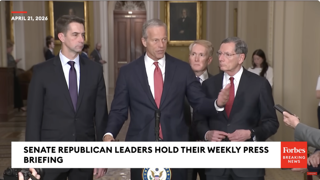
The ongoing immigration debate has intensified as critics assert that Democratic policies have contributed to a significant immigration crisis, particularly in urban areas like Minneapolis. They argue that these policies have led to an influx of unauthorized immigrants, creating substantial challenges for the current administration's efforts to enforce immigration laws effectively. This situation has sparked a heated discussion about the balance between enforcing immigration laws and addressing humanitarian concerns regarding the treatment of individuals living in the country illegally.
The core tension lies in the clash between the enforcement of immigration laws and the humanitarian concerns surrounding the treatment of people in the country illegally. Critics contend that the previous administration's approach to immigration was necessary to address what they describe as a crisis created by Democratic policies. They argue that the current administration is now faced with the daunting task of managing the fallout from these past decisions.
Eddie Scarry, a columnist for The Federalist, claims that Democrats have willfully ignored immigration laws to gain political support from new constituents. He argues that this has resulted in a situation where the current administration is left to manage the fallout. "The people who excused or otherwise encouraged the mass importation of Third Worlders... don’t get to be offended or taken seriously now that there’s an effort to fix what they broke," Scarry wrote, emphasizing the need for accountability regarding past policies.
Enforcement Actions Under Scrutiny
Critics have raised concerns about the methods employed by the Trump administration, particularly regarding the use of Immigration and Customs Enforcement (ICE) to detain and remove unauthorized immigrants. Thomas Edsall, a former New York Times writer, highlighted these concerns in a recent article, stating that "ICE abuses... have revealed the crucial importance of alternative media" in discussing the agency's actions. This statement underscores the role of media in shaping public perception and understanding of immigration enforcement.
Edsall's piece criticized the administration's approach, suggesting that it has been marked by excessive force and racial undertones. He noted that terms like "white supremacist" and "white nationalist" were frequently used in discussions surrounding immigration enforcement. These terms have become part of the broader narrative surrounding immigration policy, influencing public opinion and political discourse. However, Scarry dismissed these concerns, asserting that the focus should remain on the necessity of enforcing immigration laws, which he believes are essential for maintaining order and security.
The Human Impact
Supporters of more lenient immigration policies argue that the current approach to enforcement can lead to significant hardships for unauthorized immigrants. They contend that many individuals facing deportation have established lives in the U.S. and contribute positively to their communities. Critics of the current administration's policies emphasize the need for humane treatment and comprehensive immigration reform that acknowledges the complexities of individual circumstances.
Despite the criticisms, some officials have not publicly responded to the claims made by Scarry and others regarding the impact of past Democratic policies. The lack of a robust counter-narrative from Democratic leaders may leave room for continued debate on the effectiveness and morality of current immigration strategies. This absence of response could potentially allow critics to dominate the conversation, further complicating the political landscape surrounding immigration.
Looking Ahead
As the 2024 election approaches, immigration remains a pivotal issue for both parties. The Republican Party is likely to continue emphasizing enforcement and the perceived failures of Democratic policies, while Democrats may focus on advocating for comprehensive reform that addresses the root causes of migration. The ongoing discourse will shape the political landscape as candidates position themselves on this contentious issue, with immigration policy likely to be a key topic in campaign discussions.
In conclusion, the immigration debate is marked by contrasting views on enforcement and humanitarian concerns, with critics asserting that past Democratic policies have created the current challenges. As both parties prepare for the upcoming election, the stakes surrounding immigration policy remain high, with significant implications for millions of people in the country illegally and the broader American public. The resolution of these issues will require careful consideration of both enforcement and humanitarian perspectives, as well as a commitment to finding solutions that address the complexities of immigration in the United States.