The recent shooting of activist Alex Pretti by Border Patrol agents has sparked renewed calls from some lawmakers to de-escalate or end deportation operations, raising significant concerns about the future of U.S. immigration enforcement. Critics argue that reducing deportations undermines the effectiveness of immigration law enforcement, while supporters of reform contend that current practices are harmful to communities.
Explainer Public Safety and Crime Trends in America: Understanding the Landscape
The core tension lies in the balance between enforcing immigration laws and addressing the humanitarian concerns surrounding deportations. Advocates for stricter enforcement, including some Republicans, assert that deportations serve as a critical deterrent against unauthorized immigration, while opponents argue that these policies disproportionately affect vulnerable populations.
Pretti's death has prompted responses from various political figures, including Minnesota Governor Tim Walz and Minneapolis Mayor Jacob Frey, who have called for a reevaluation of current deportation strategies. They argue that the focus should shift towards comprehensive immigration reform rather than punitive measures. "We need to find a way to protect our communities without resorting to fear-based tactics," Frey stated.
Political Responses
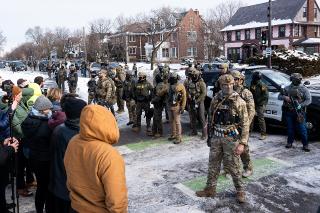
Among the voices advocating for a reduction in deportations are GOP Rep. Mike Lawler and leaders from the Problem Solvers Caucus, who have expressed concerns about the impact of aggressive immigration enforcement on local communities. Lawler criticized federal agents for conducting what he described as "forceful operations in American communities," suggesting that such tactics alienate residents and create distrust.
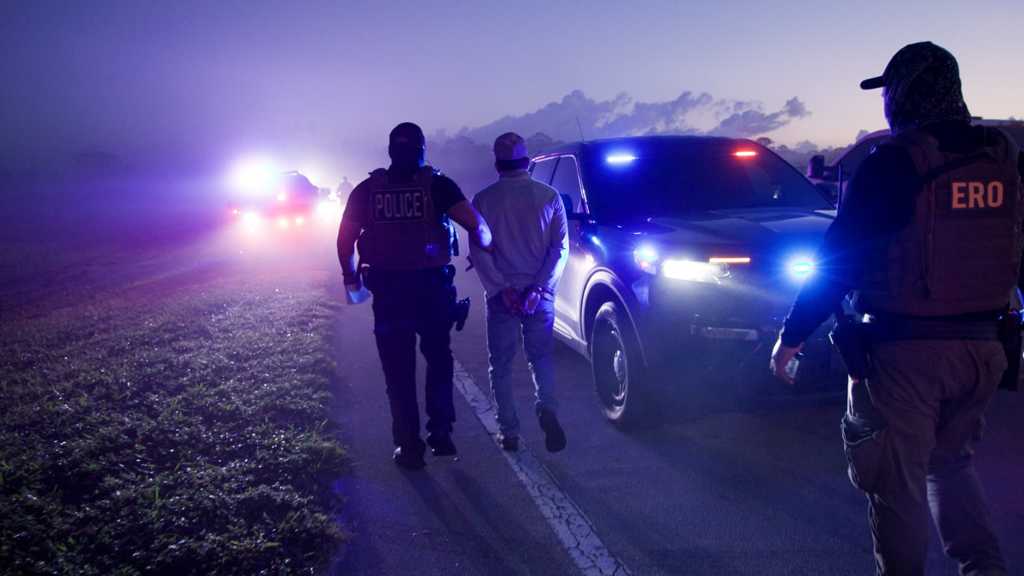
In contrast, proponents of maintaining robust deportation policies argue that these measures are essential for upholding the rule of law. They contend that deportations are the primary consequence for unlawfully entering the U.S. and are necessary to deter future illegal crossings. "Deportations work," said one supporter of the current policy framework. "They make breaking U.S. law legitimately risky."
The Case for Deportations
Supporters of deportation policies assert that eliminating or significantly reducing these operations would effectively nullify immigration law. They argue that without the threat of deportation, individuals in the country illegally would have little incentive to comply with U.S. immigration laws. Critics of the anti-deportation stance often overlook this reality, according to some analysts.
The argument is that deportations not only serve as a punishment but also act as a deterrent to potential unauthorized immigrants. "Deportations change the entire calculus of unlawfully entering the United States," remarked a policy analyst. "They make the risks associated with illegal entry far more tangible."
Broader Implications
The debate over deportation policies is not just a matter of immigration enforcement; it also reflects broader societal divisions regarding law enforcement and community safety. Critics of current deportation practices argue that they exacerbate tensions between immigrant communities and law enforcement, while supporters maintain that effective immigration enforcement is crucial for public safety.
As the Biden administration faces criticism for its handling of immigration, the ongoing debate highlights the complexities of balancing enforcement with compassion. While some lawmakers advocate for a more lenient approach, others warn that capitulating to demands for reduced deportations could lead to a breakdown of immigration law enforcement.
The implications of this debate extend beyond political rhetoric, impacting communities across the country. As sanctuary cities welcome individuals in the country illegally, tensions may rise between local and federal authorities, complicating efforts to maintain public safety and order.
In conclusion, the shooting of Alex Pretti has intensified discussions around deportation policies, with significant divisions emerging among lawmakers and community leaders. As both sides present their arguments, the future of U.S. immigration enforcement remains uncertain, with potential consequences for the rule of law and community relations.