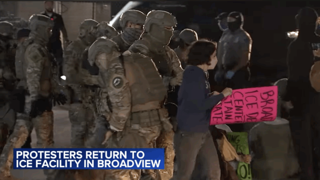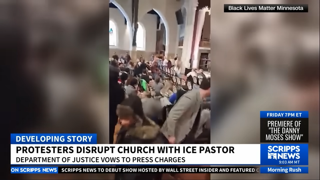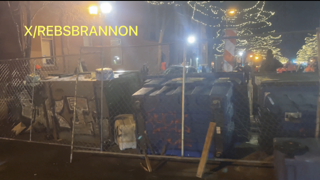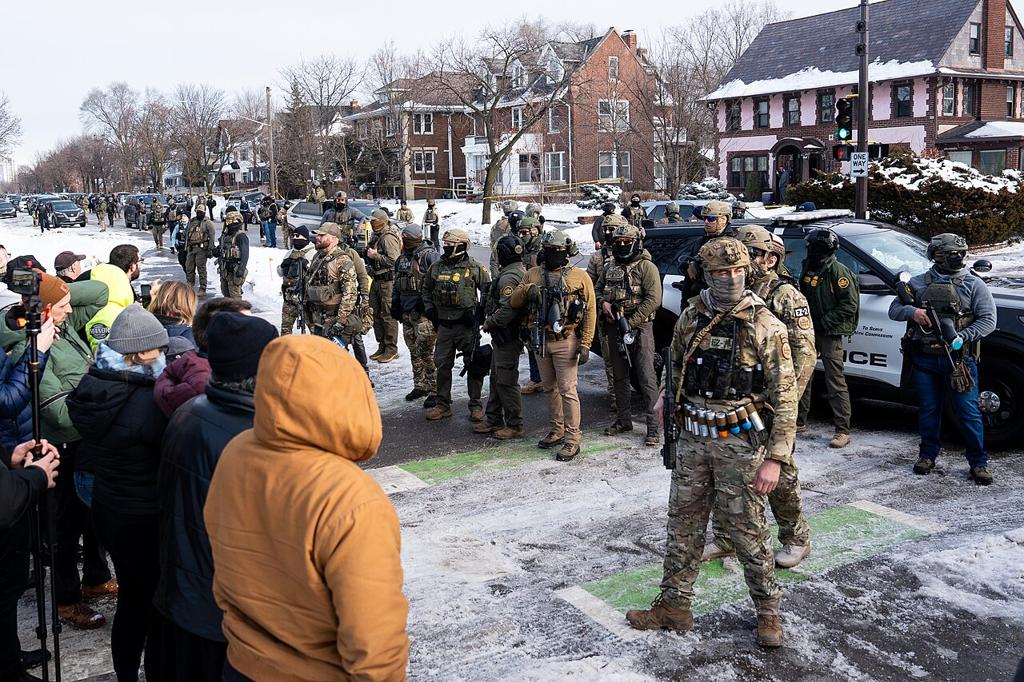
Protests against Immigration and Customs Enforcement (ICE) agents in Minnesota have intensified significantly in recent weeks. Demonstrators have increasingly accused these agents of behaving like Nazis and Gestapo, drawing sharp parallels between their actions and historical instances of oppression. This escalating hostility has raised serious concerns about the safety and treatment of law enforcement personnel who are tasked with enforcing federal immigration laws in a highly charged political environment.
Explainer Understanding Immigration Enforcement: Policies and Controversies
Escalating Protests Against ICE Agents in Minnesota
The core tension in this situation lies in the stark clash between two opposing views. On one side are those who view ICE agents as necessary enforcers of immigration laws, essential for maintaining order and security. On the other side are critics who see these agents as perpetrators of inhumane practices that disproportionately affect vulnerable populations. Critics argue that ICE agents are protecting dangerous individuals, while supporters maintain that these agents are simply fulfilling their duties under challenging and often dangerous conditions.
Background and Reactions
ICE agents have faced a concerted campaign of vilification, with some public figures actively encouraging protests against them. Minnesota Lt. Gov. Peggy Flanagan has been particularly vocal in her opposition to ICE, urging demonstrators to confront agents directly. She has claimed that these agents are responsible for the "kidnapping" of individuals, including children. Flanagan stated, "Donald Trump and his minions are stealing food off of the table from seniors and children," highlighting her belief that ICE's actions have broader societal implications.
Reports indicate that the protests have involved unlawful obstruction and harassment of ICE agents. Demonstrators have attempted to identify individual agents and threaten them and their families, creating an atmosphere of fear and intimidation. Local law enforcement has faced criticism for not providing adequate protection to ICE agents during these protests, which some observers have described as chaotic and lawless. This lack of support has raised questions about the responsibilities of local law enforcement in protecting federal agents who are simply doing their jobs.
John A. Lucas, a retired attorney and Vietnam veteran, has drawn parallels between the current treatment of ICE agents and the abuse faced by returning soldiers from the Vietnam War. He noted that just as Vietnam veterans were often vilified upon their return, ICE agents today are subjected to similar hostility and scorn. Lucas remarked, "In the ’60s and ’70s, we were all baby killers; now all the line agents are Nazis working for the Gestapo." His comments reflect a growing concern about the societal implications of such vilification.
Supporters of ICE argue that the agents are performing a vital function in maintaining law and order. They contend that while mistakes can occur in any large organization, the majority of ICE agents are dedicated professionals working under difficult circumstances. Critics, however, maintain that the agency's practices often lead to unjust outcomes, particularly for vulnerable populations, including immigrants and children.
The protests have sparked a broader debate about immigration enforcement and the role of federal agencies in local communities. Some politicians and activists have called for significant reforms to ICE, arguing that the agency's methods are outdated and harmful. In contrast, supporters of ICE assert that the agency is essential for upholding immigration laws and ensuring public safety. This division reflects deeper societal disagreements about immigration policy and enforcement.
As tensions continue to rise, the future of ICE and its agents remains uncertain. The ongoing protests and public discourse reflect deep divisions within the community regarding immigration policy and law enforcement practices. While some advocate for a more humane approach to immigration, others emphasize the need for strict enforcement of existing laws to maintain order and security.
In light of the current climate, Lucas urged the public to show support for ICE agents, stating, "If you see any federal agents in your town or city, don’t get in their way, but thank them. Let them know they have support. A short 'We appreciate what you do' will go a long way to help tamp down tensions." His call for support underscores the need for a more balanced dialogue surrounding the role of ICE in society.
The situation in Minnesota highlights the complex dynamics surrounding immigration enforcement and the challenges faced by law enforcement in a politically charged environment. As protests continue, the dialogue around ICE and its role in immigration policy is likely to evolve, reflecting the diverse perspectives within the community. The ongoing debates and protests serve as a reminder of the contentious nature of immigration issues in the United States today.