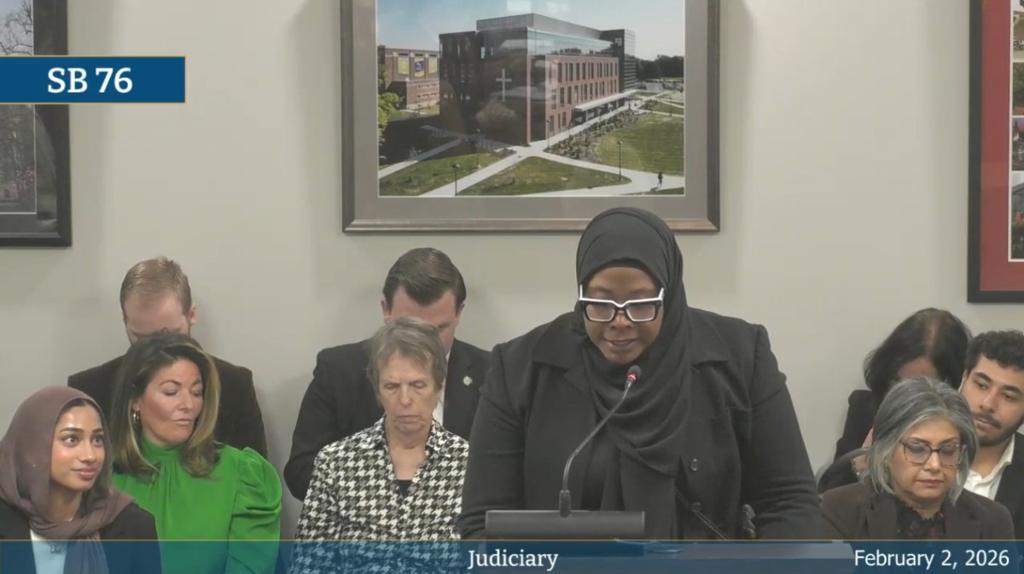
Indiana lawmakers have amended an immigration bill to require sheriffs to honor immigration detainers, mandate hospitals to identify unauthorized immigrants using Medicaid, and penalize employers that hire unauthorized labor. The revised Senate Bill 76, which incorporates elements from a stronger enforcement proposal known as the Fairness Act, is now set for a vote in the full state House before returning to the Senate for final approval.
Explainer Public Safety and Crime Trends in America: Understanding the Landscape
The amendments reflect a growing tension between state-level immigration enforcement efforts and the federal government's approach under President Biden, which critics argue has led to increased unauthorized immigration. Supporters of the bill, including State Rep. J.D. Prescott, assert that it will help Indiana cooperate with federal immigration authorities and enhance public safety.
The bill's revisions come as Indiana has lagged behind other Republican-led states in enforcing immigration laws. Prescott stated, "The goal is to get this into a bill where the state of Indiana can partner with the Trump administration and Tom Homan... doing everything we can as a state to assist in those efforts to honor detainer requests." Homan, a former federal immigration official, visited Indiana last year to advocate for stricter immigration measures.
Legislative Background
Senate Bill 76 was initially criticized for being weak on enforcement, with provisions that could undermine existing immigration laws. The Federation for American Immigration Reform noted that the original bill lacked adequate measures to ensure employers verify the legal status of their workers. The amended version, however, includes stronger provisions for data collection and accountability for law enforcement agencies that do not comply with federal immigration requests.
The bill's passage through the Indiana House Judiciary Committee marks a significant step in the state's immigration policy, which has been a contentious issue among lawmakers and constituents alike. Indiana's Republican supermajority has faced pressure to take a firmer stance on immigration, especially as neighboring Illinois has implemented sanctuary policies that restrict local law enforcement cooperation with federal immigration authorities.
Opposition and Support
During the House hearing on SB 76, numerous activists and community members testified against the bill, arguing that it perpetuates discrimination and harms immigrant communities. Some witnesses described their experiences with law enforcement and expressed concerns about the potential for racial profiling. One student stated, "ICE agents who harass people are the real illegals," highlighting the fears within immigrant communities regarding increased enforcement.
Despite the opposition, supporters of the bill argue that it is necessary for public safety and to uphold the rule of law. Attorney General Todd Rokita, who has been vocal in his support for stricter immigration enforcement, stated that the bill represents a critical step in addressing illegal immigration in Indiana. Rokita emphasized the need for state-level action, saying, "The watered-down and weak bill, SB 76, that made it..."
Broader Context
Eighteen states currently require some level of cooperation between local law enforcement and Immigration and Customs Enforcement (ICE). Indiana's proposed measures align with similar laws passed in states like Texas and Florida, which have enacted stricter immigration enforcement policies in recent years. The America First Policy Institute has also expressed support for Indiana's efforts, arguing that every state has become a border state due to rising unauthorized immigration.
As Indiana moves forward with this legislation, the implications for local communities and law enforcement practices remain a point of contention. The governor's office has indicated its commitment to working closely with lawmakers to ensure the final bill is robust and effective in addressing illegal immigration. Governor Mike Braun's administration has already taken steps to assist ICE operations, including making prison beds available for deportation efforts.
The ongoing debate over immigration policy in Indiana reflects broader national discussions about border security, public safety, and the treatment of unauthorized immigrants. As the state prepares for a vote on the amended bill, the outcome may set a precedent for future immigration legislation in other states facing similar challenges.