Federal authorities are ramping up immigration enforcement in Minnesota, where local policies have been criticized for obstructing federal immigration laws. The Trump administration has issued grand jury subpoenas to top Minnesota Democratic officials, including Governor Tim Walz and Minneapolis Mayor Jacob Frey, amid claims that their sanctuary policies hinder federal law enforcement efforts.
Explainer Understanding Immigration Enforcement: Policies and Controversies
The core issue revolves around the tension between state-level sanctuary laws and federal immigration enforcement, with critics arguing that these policies effectively nullify federal law. Supporters of the policies contend they are necessary for community safety and trust in law enforcement.
In recent weeks, videos have surfaced showing Immigration and Customs Enforcement (ICE) officers apprehending unauthorized immigrants in Minneapolis, often facing aggressive opposition from anti-ICE activists. Critics argue that such confrontations are a direct result of local sanctuary policies that prevent law enforcement from cooperating with federal immigration authorities.
Gregory Bovino, the Border Patrol commander in charge in Minneapolis, defended the operations, stating, "Our operations are lawful. They’re targeted. They’re focused on individuals who pose a serious threat to this community." He emphasized that the increased visibility of ICE operations is a consequence of local laws that prevent the transfer of unauthorized immigrants to federal custody.
Sanctuary Policies Under Scrutiny
Sanctuary policies in Minnesota prohibit local law enforcement from notifying federal authorities when unauthorized immigrants are arrested. This means that instead of being handed over to ICE, individuals who commit crimes may be released back into the community. Critics argue this creates a more dangerous environment for both law enforcement and the public.
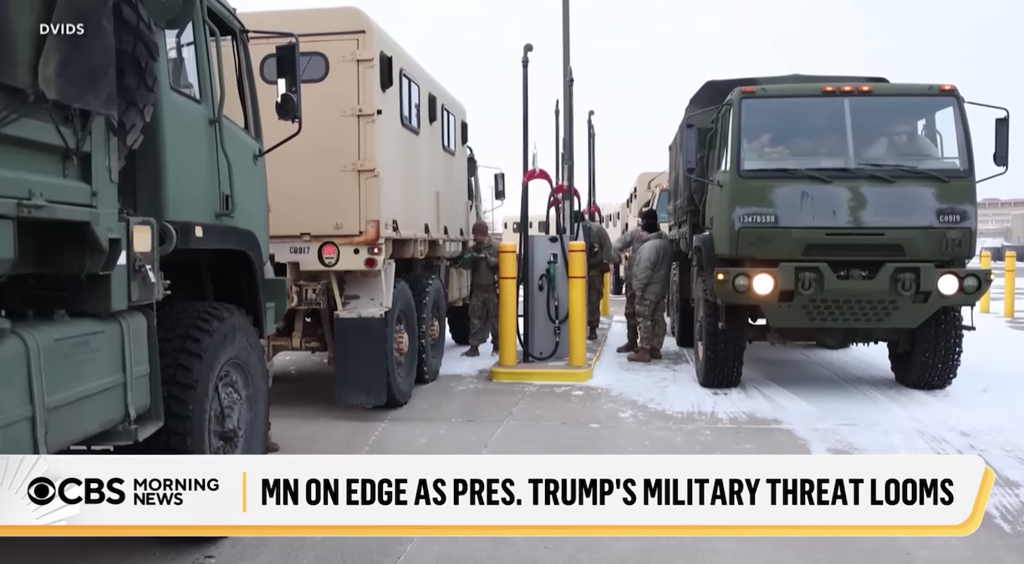
The situation has escalated tensions, with some activists reportedly attempting to disrupt ICE operations, leading to volatile confrontations. The Trump administration's response includes the potential deployment of active-duty troops to Minnesota, a move that echoes historical precedents of federal intervention in state matters.
The comparison to the Nullification Crisis of 1832 has been made, where South Carolina attempted to invalidate federal tariffs. Critics of Minnesota's sanctuary policies argue that current Democratic leaders are following a similar path by effectively declaring federal immigration laws null and void within their jurisdiction.
Historical Context and Current Implications
Historically, President Andrew Jackson opposed the idea of nullification, asserting that states do not have the power to invalidate federal law. In a statement reflecting his stance, Jackson warned that any opposition to federal laws could lead to severe consequences.
Supporters of Minnesota's sanctuary policies argue that they are essential for fostering trust between immigrant communities and law enforcement, asserting that cooperation with ICE can deter individuals from reporting crimes or seeking help from police. However, critics maintain that these policies endanger public safety by allowing unauthorized immigrants who have committed crimes to remain in the community.
As the situation develops, the Trump administration's actions have drawn both support and criticism. Advocates for stricter immigration enforcement argue that federal laws must be upheld, while opponents of the administration's tactics caution against escalating tensions between state and federal authorities.
Looking Ahead
The ongoing conflict over immigration enforcement in Minnesota highlights the broader national debate surrounding sanctuary policies. As federal authorities continue to assert their presence, local officials have yet to respond to the specific allegations of obstructing federal law enforcement. The outcome of this confrontation may set important precedents for how immigration laws are enforced across the country.
In summary, the clash between Minnesota Democrats and federal immigration authorities raises significant questions about the balance of power between state and federal governments, as well as the implications for public safety and community trust.