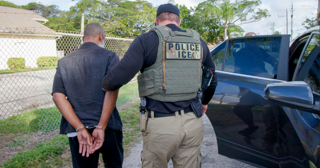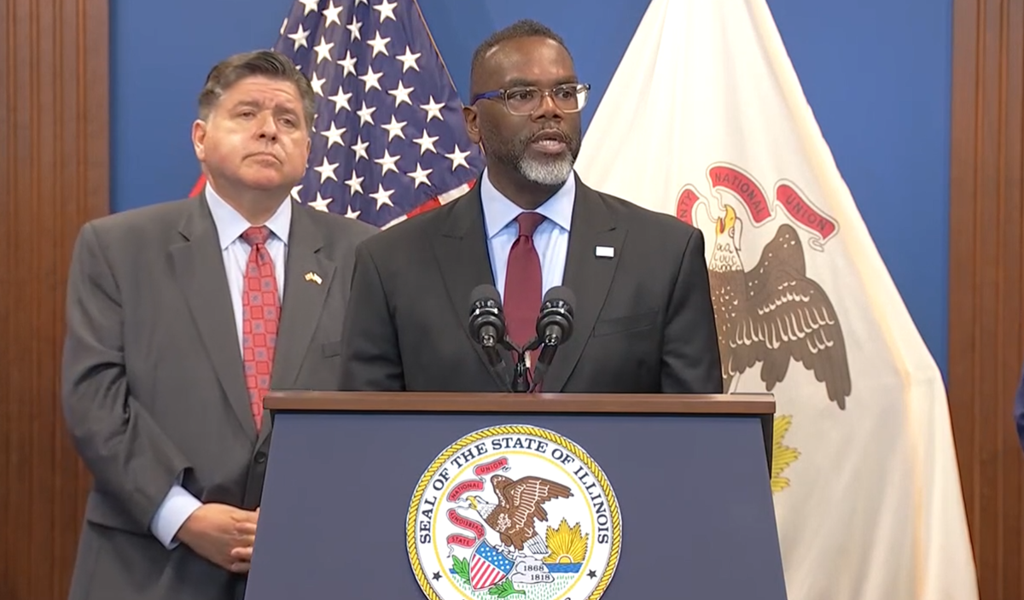
Chicago Mayor Brandon Johnson has issued an executive order creating designated ICE-Free Zones within the city, effectively barring U.S. Immigration and Customs Enforcement (ICE) from using city property for enforcement actions. This move comes as tensions escalate between local officials and federal immigration authorities amid ongoing concerns about crime in the city.
The executive order, signed on October 7, directs city agencies to restrict access to public property for ICE operations, including the use of parking lots as staging areas. Additionally, city officials are instructed to report any attempts by federal agents to utilize city property for immigration enforcement. The city plans to distribute materials educating employees and tenants about their rights in these situations.
"Illinois is going to use every lever at our disposal to resist this power grab and get (DHS Sec. Kristi) Noem’s thugs hell out of Chicago."
— JB Pritzker, Illinois Governor
Illinois Governor JB Pritzker announced that the state has filed a lawsuit seeking a temporary restraining order to prevent President Donald Trump from deploying National Guard troops to assist in managing crime in Chicago. During a press conference, Pritzker stated, "Illinois is going to use every lever at our disposal to resist this power grab and get (DHS Sec. Kristi) Noem’s thugs hell out of Chicago." (Illinois)
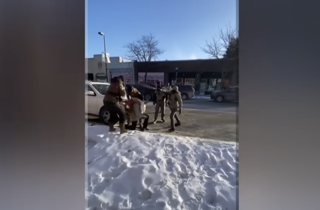
The backdrop to these developments includes a recent incident on October 4, where Border Patrol agents in Chicago were surrounded by vehicles and faced an armed confrontation. According to a statement from the Department of Homeland Security (DHS), the agents were forced to fire defensive shots after being boxed in by ten vehicles, one of which was driven by an armed individual. This incident has raised alarms about the level of violence directed at law enforcement in the city.
Despite the rising crime rates, local officials maintain that federal assistance is neither necessary nor welcome. Mayor Johnson emphasized the need for local resistance against federal actions, stating, "It’s going to take everything, litigation, executive orders, legislation, and I believe, most importantly, the people of this city and county, the state, and throughout the country, pushing back against tyranny." (Illinois)
Critics of the mayor's actions argue that such measures may exacerbate the already high levels of violence in Chicago. Over the same weekend as the Border Patrol incident, the city recorded 22 shootings, highlighting ongoing public safety concerns.
Pritzker criticized the federal government's actions, suggesting that they are inciting unrest among citizens. He remarked, "The federal government is creating an environment in which they’re inciting people to do something more than just peacefully protest." (Illinois)
The mayor's office has also indicated plans for further legal actions to solidify these restrictions against federal immigration enforcement. Pritzker's legal team has reportedly been preparing for weeks to challenge the federal deployment of troops, which he claims undermines local authority.
As Chicago navigates these contentious issues, the implications of the ICE-Free Zones and the state's legal challenges may set a precedent for other sanctuary cities across the nation. The ongoing conflict between local and federal authorities continues to evolve, reflecting broader debates over immigration policy and public safety in urban areas.