A shooting incident in Minneapolis during an Immigration and Customs Enforcement (ICE) operation has intensified discussions about law enforcement and public safety. The incident involved a suspected unauthorized immigrant from Venezuela who was shot after fleeing from authorities and allegedly attacking an officer with a shovel and broomstick. This event has sparked a renewed focus on the complex dynamics between law enforcement actions and community responses, particularly in areas with significant immigrant populations.
Explainer Public Safety and Crime Trends in America: Understanding the Landscape
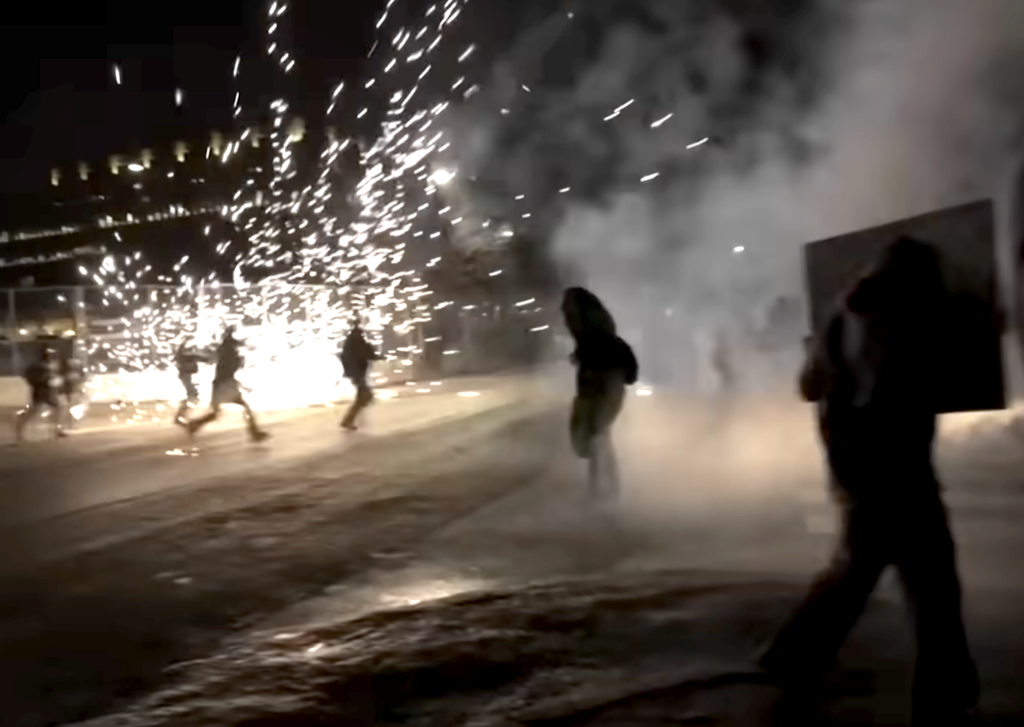
The core tension lies in the clash between local sentiments against ICE operations and the need for law enforcement to carry out its duties effectively. Critics argue that resistance to law enforcement can lead to dangerous situations, while supporters of the protests claim they are necessary to protect community members from aggressive enforcement actions that they perceive as unjust. This dichotomy reflects broader societal debates about immigration policy and the role of federal agencies in local communities.
The shooting occurred when the suspect attempted to evade arrest by crashing a vehicle and fleeing on foot. According to the Department of Homeland Security, the individual was involved in a law enforcement operation that has drawn significant public attention and criticism. Local residents, encouraged by some elected officials, have taken to the streets to express their opposition to ICE's activities, highlighting the emotional and political stakes surrounding immigration enforcement.
Local Reactions
Democratic state Senator Bobby Champion addressed the incident during a CNN interview, stating that the actions of local residents would not change his perspective on the shooting. "Actually, no, right? Because from our vantage point, we wanted to make sure, and always wanted to make sure, that Minnesotans are being dealt with properly," Champion said. His comments have sparked further debate about the appropriateness of resisting law enforcement and the potential consequences of such actions for community safety.
Supporters of the protests argue that they are standing up against what they perceive as unjust enforcement actions that disproportionately affect vulnerable communities. They contend that the protests are a necessary form of resistance against policies that they believe are harmful. However, critics, including some law enforcement officials, contend that such resistance endangers not only the officers involved but also innocent bystanders who may be caught in the crossfire of escalating tensions.
Calls for Action
In light of the recent events, some commentators are urging the administration to take a firmer stance against what they describe as violent resistance to law enforcement. They argue that public safety demands a strong response to protect both officers and the community. Eddie Scarry, a columnist at The Federalist, emphasized the need for the administration to treat the situation as a serious threat, stating, "Resisting law enforcement is an act of violence. It endangers not only the officers engaging the suspect, but anyone else in the vicinity." This perspective underscores the belief that law enforcement must be supported in their efforts to maintain order, particularly in volatile situations.
Despite the heightened tensions, some local leaders have not publicly addressed the criticisms surrounding their encouragement of protests against ICE. The lack of a unified response from officials may further complicate the situation as community members continue to express their frustrations. The absence of clear communication from leadership can lead to misunderstandings and exacerbate feelings of distrust between law enforcement and the communities they serve.
Broader Implications
The incident in Minneapolis reflects a growing national debate over immigration enforcement and the role of local communities in responding to federal actions. As protests against ICE operations continue, the potential for conflict between law enforcement and community members remains a pressing concern. This ongoing struggle highlights the challenges faced by both sides in navigating the complexities of immigration policy and community safety.
While some advocate for a more aggressive approach to law enforcement, others call for a reevaluation of how immigration policies are enforced at the local level. The ongoing discussions highlight the complexities of balancing public safety with the rights and concerns of individuals in the community. As the situation develops, it remains to be seen how local and federal authorities will respond to the challenges posed by resistance to law enforcement and the implications for public safety in Minneapolis and beyond. The outcome of these events may shape future interactions between law enforcement agencies and the communities they serve, influencing policies and practices for years to come.