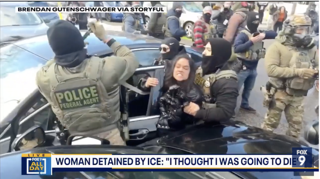
The deaths of two activists opposing U.S. Immigration and Customs Enforcement (ICE) have ignited a heated debate about immigration enforcement and public safety. Critics argue that these activists, who died while attempting to impede federal immigration operations, are being used as martyrs by those who oppose strict immigration policies. This situation has intensified discussions surrounding the role of ICE in society and the implications of its enforcement actions.
Explainer Public Safety and Crime Trends in America: Understanding the Landscape
The core tension lies in the rising violence against ICE personnel, which has reportedly surged by an alarming 1,150 percent from January to November 2025, according to the Department of Homeland Security. Supporters of ICE argue that the agency's role is crucial in maintaining public safety, while opponents claim that the agency's actions disproportionately target vulnerable populations, often leading to tragic outcomes.
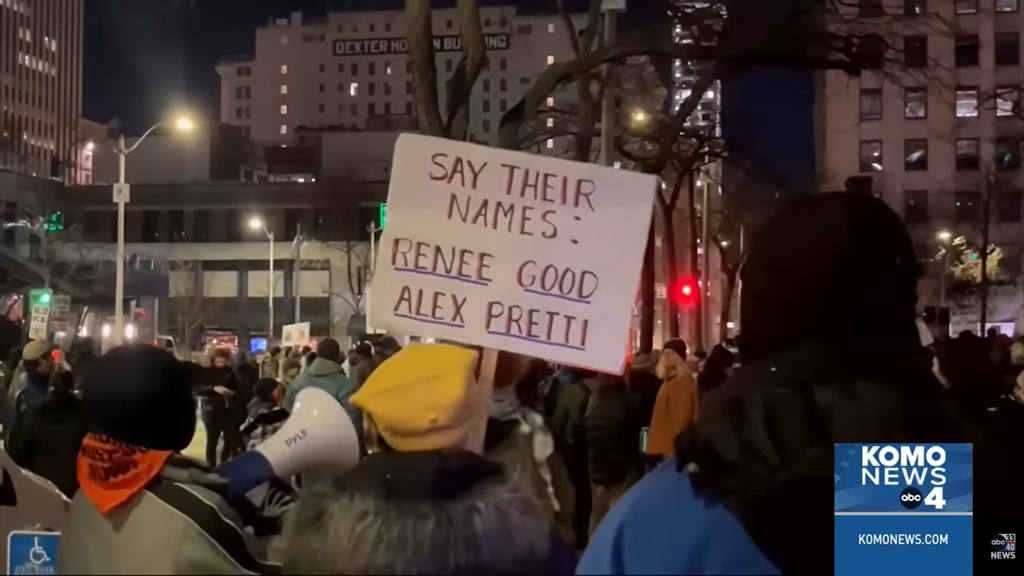
Renee Good, an activist known for her vocal opposition to ICE, was shot after allegedly striking a federal agent with her vehicle during a protest. Similarly, Alex Pretti, another activist, has been portrayed by some as a victim of a harsh immigration enforcement regime. Critics of the left argue that these individuals died while attempting to disrupt lawful federal operations, framing their actions as reckless and endangering public safety.
Background and Reactions
The increase in violence against ICE agents has raised alarms among law enforcement and political leaders. "Radicals have launched unprecedented attacks on ICE agents over the past year," said a spokesperson from the Department of Homeland Security. The agency has faced ambushes, firebombings, and other violent incidents, leading to heightened security measures for its personnel. This surge in violence has prompted discussions about the safety of federal agents and the broader implications for law enforcement.
Supporters of ICE contend that the agency is vital for public safety, citing cases where individuals in the country illegally have committed violent crimes. For instance, the murder of 22-year-old nursing student Laken Riley by Jose Ibarra, an unauthorized immigrant with gang affiliations, has been highlighted as a tragic example of the potential dangers posed by individuals in the country illegally. Ibarra had a history of legal troubles and was reportedly linked to a Venezuelan gang, raising concerns about the risks associated with illegal immigration.
Activists and Public Perception
The narrative surrounding the deaths of Good and Pretti has been criticized by some as an attempt to politicize their actions and the circumstances of their deaths. "For every leftist radical who dies trying to keep criminal illegals in our country, there are scores of innocent people who died because those leftists protected criminal illegals hiding out in our country," a commentator noted. This perspective emphasizes the perceived consequences of opposing federal immigration enforcement and the potential risks to public safety.
However, advocates for immigration reform argue that the focus should be on the broader implications of immigration policy and the treatment of individuals in the country illegally. They assert that the actions of activists like Good and Pretti stem from a desire for justice and empathy for marginalized communities, highlighting the need for a more humane approach to immigration issues.
Media Coverage and Political Responses
The media's portrayal of these incidents has also come under scrutiny. Critics claim that coverage often downplays the illegal status of individuals involved in violent crimes, while emphasizing the narratives of activists. The American Nurses Association expressed horror at Pretti's death but did not comment on Riley's murder, leading to accusations of selective outrage and bias in reporting. This selective attention raises questions about how different narratives are constructed in the media and the impact on public perception.
As protests continue in cities like Minneapolis, the divide between supporters and opponents of ICE remains stark. Activists argue that their efforts are rooted in justice and empathy, while critics contend that such actions endanger public safety and undermine the rule of law. The debate over immigration enforcement and the role of ICE is likely to continue as the nation grapples with the complexities of immigration policy and public safety. While some view the deaths of activists as tragic losses in the fight for justice, others see them as cautionary tales about the dangers of obstructing law enforcement efforts.
In this contentious environment, the future of immigration policy and the safety of both federal agents and the public remain pressing concerns. As the dialogue evolves, it will be essential to consider the multifaceted nature of immigration issues and the varying perspectives that shape this ongoing debate.