President Donald Trump is reportedly planning to withdraw some federal agents from Minneapolis, a move that comes amid ongoing tensions over local immigration enforcement policies. This decision follows a conversation with Minneapolis Mayor Jacob Frey, who indicated that some federal agents would be leaving the city, although he reiterated that he would not enforce federal immigration laws.
Explainer Understanding ICE: Enforcement, Operations, and the Immigration Debate
The core issue revolves around the balance of power between federal and local authorities regarding immigration enforcement. Critics argue that local officials are undermining federal law, while supporters of the local policies contend they are necessary for community safety and trust.
In recent weeks, Minneapolis has experienced unrest and violence, including a fatal shooting involving federal agents. In response, Trump had previously called on local leaders, including Frey and Minnesota Governor Tim Walz, to cooperate with federal authorities to enforce immigration laws. However, the administration's latest decision to reduce federal presence suggests a retreat from that stance.
Key Details
The Wall Street Journal reported that the White House indicated the reduction of federal agents would occur if local officials increased their cooperation with federal authorities. Frey confirmed this in a post on X, stating that following discussions with Trump, some agents would be departing. Yet, he emphasized that his administration would continue to resist enforcing federal immigration laws.
Background and Reactions
"We will not enforce federal immigration law," Frey stated, highlighting the city's commitment to its current policies.
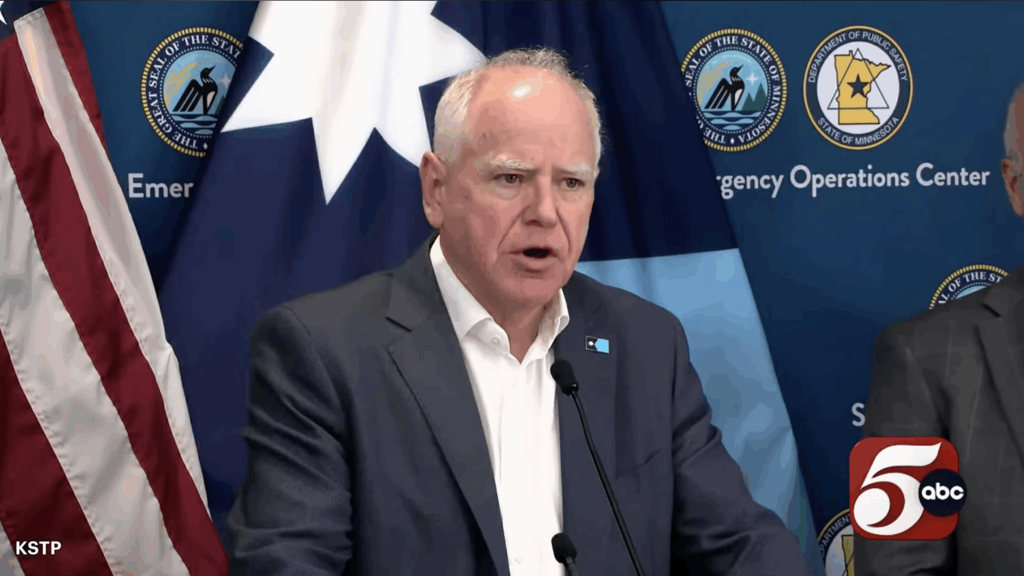
Trump also spoke with Governor Walz, who expressed a desire for fewer federal agents in the state. Walz's office issued a statement asserting that Minnesota already cooperates with Immigration and Customs Enforcement (ICE) by notifying them when non-citizens are in custody. However, critics, including Fox News correspondent Bill Melugin, argue that this representation is misleading.
Melugin pointed out that while state prisons may honor ICE detainers for convicted criminal aliens, local jails do not cooperate in the same manner. "ICE wants criminal aliens arrested for crimes handed to them instead of being released to the streets," he said.
The Hennepin County sheriff's office, which includes Minneapolis, does not cooperate with ICE, although some neighboring counties do share information with federal agents. This lack of cooperation can hinder ICE's ability to detain individuals who are in the country illegally, particularly if they are released shortly after posting bail or being cleared by a judge.
Despite the ongoing tensions, supporters of local policies argue that they are essential for maintaining community trust and safety. They contend that strict enforcement of immigration laws can lead to fear within immigrant communities, potentially discouraging cooperation with law enforcement on other criminal matters.
However, critics assert that the local policies have contributed to a crisis in public safety, claiming that officials like Walz and Frey have openly defied federal authority. Walz has previously described Minnesota's stance as akin to a historical battle, while Frey has accused ICE of causing harm to families.
The apparent retreat by Trump raises questions about his commitment to his campaign promises regarding immigration enforcement. If the federal government limits its actions to only those individuals local officials are willing to hand over, critics argue that it undermines the enforcement of immigration laws.
As the situation unfolds, it remains to be seen how the reduction of federal agents will impact local law enforcement and community safety in Minneapolis. While local officials maintain their stance against federal immigration enforcement, the federal government’s response could shape future interactions between state and federal authorities.
In summary, the ongoing conflict between federal and local immigration policies in Minneapolis highlights the complexities of law enforcement and community relations. As Trump prepares to reduce federal presence, the implications for both public safety and immigration enforcement remain uncertain.