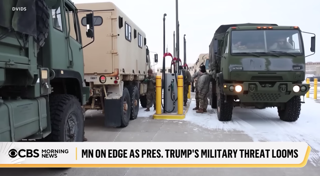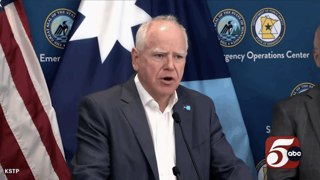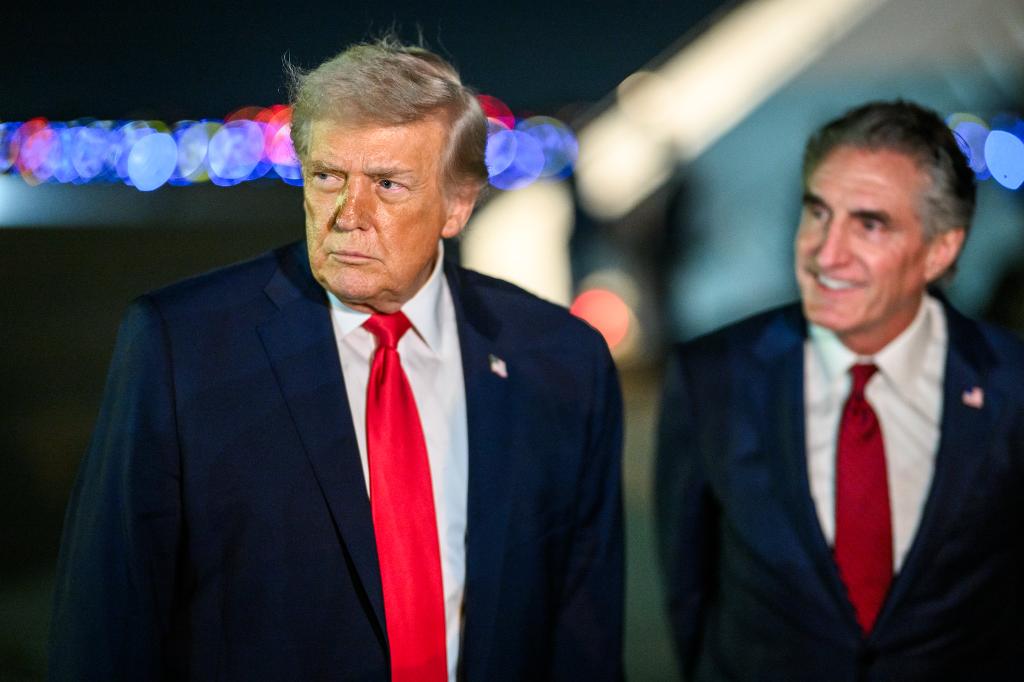
President Donald Trump announced on Monday that he had a productive conversation with Minnesota Governor Tim Walz, agreeing to work together to address ongoing tensions in Minneapolis. These discussions come amid heightened scrutiny of federal immigration enforcement in the city, where local leaders have increasingly resisted federal actions. This resistance has sparked a significant debate about the balance of power between state and federal authorities, particularly in the context of immigration enforcement.
Explainer Understanding Immigration Enforcement: Policies and Controversies
The core issue revolves around how state and federal governments interact regarding immigration laws. Critics of Minnesota's stance argue that the state's refusal to cooperate with federal agents undermines the rule of law, while supporters of the local policies claim that such measures are essential for protecting local communities and fostering trust between immigrant populations and law enforcement.
In a statement, Minneapolis Mayor Jacob Frey confirmed that he spoke with Trump and emphasized the urgent need to end what he described as an unsustainable situation. "I expressed how much Minneapolis has benefited from our immigrant communities and was clear that my main ask is that Operation Metro Surge needs to end," Frey said. He added that both he and Trump agreed that the current circumstances could not continue indefinitely, indicating a mutual recognition of the need for change.
Frey indicated that some federal agents would begin leaving Minneapolis soon, a move that some view as a capitulation by the Trump administration. He stated, "Minneapolis will continue to cooperate with state and federal law enforcement on real criminal investigations — but we will not participate in unconstitutional arrests of our neighbors or enforce federal immigration law." This statement underscores the city's commitment to maintaining its local policies while navigating federal expectations.
Federal Requests and Local Resistance
During the briefing, White House Press Secretary Karoline Leavitt outlined three key requests from Trump to Governor Walz aimed at easing tensions. These included demands for state leaders to turn over all unauthorized immigrants currently incarcerated, require local police to assist in apprehending individuals wanted for crimes, and ensure cooperation with Immigration and Customs Enforcement (ICE). These requests reflect the administration's ongoing push for stricter immigration enforcement and cooperation from local jurisdictions.
However, the response from Minnesota officials has been mixed. Walz's office stated that he sought impartial investigations into recent shootings involving federal agents and called for a significant reduction in federal forces in the state. The governor's office noted that Walz and Trump agreed on the need for ongoing dialogue, but did not commit to fulfilling the federal requests, indicating a reluctance to fully align with the administration's demands.
Implications for Federal Authority
The situation in Minneapolis has drawn attention from other states with similar sanctuary policies. Critics argue that Trump's apparent retreat signals a weakness in federal authority, potentially emboldening other jurisdictions to resist federal immigration laws. Some observers suggest that if Minnesota can defy federal directives without facing significant consequences, states like California and New York may follow suit in adopting similar policies.
Virginia's new Democratic administration is already moving to implement anti-ICE policies, with Governor Abigail Spanberger rescinding an executive order that previously mandated cooperation with federal immigration enforcement. State Senator Saddam Azlan Salim has also introduced bills aimed at limiting ICE operations in Virginia, highlighting a growing trend among states to assert their own immigration policies in opposition to federal directives.
The unfolding agreement between Trump and Minnesota leaders may temporarily alleviate tensions in the state, but it raises concerns about the long-term implications for federal immigration enforcement. Supporters of the administration argue that cooperation is essential for effective law enforcement, while critics maintain that local jurisdictions should have the autonomy to make decisions that reflect their community values and priorities.
As the situation develops, it remains unclear whether Minnesota officials will adhere to the agreements made with Trump. Some reports suggest that federal agents will withdraw without achieving their primary objectives, potentially leading to further challenges for the administration's immigration policies and strategies moving forward.
In summary, the recent discussions between Trump and Minnesota officials reflect a complex interplay of state and federal authority over immigration enforcement. The outcomes of these negotiations may set a precedent for other states grappling with similar issues, raising important questions about the future of federal immigration law enforcement across the country and the balance of power between state and federal governments.