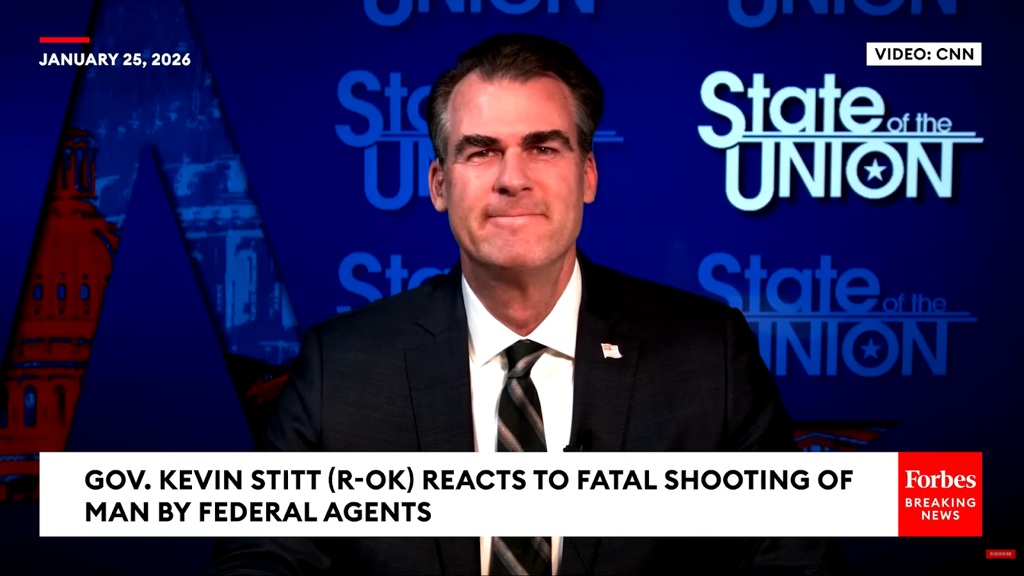
Oklahoma Governor Kevin Stitt is currently facing significant criticism following his recent comments regarding U.S. Immigration and Customs Enforcement (ICE) during an interview on CNN. His remarks have gained attention in light of a tragic shooting incident in Minneapolis involving ICE agents, which has reignited discussions about the state's position on immigration enforcement amid ongoing national debates surrounding this contentious issue.
The core tension arises from Stitt's apparent reluctance to fully endorse strict immigration enforcement policies, despite the fact that a considerable number of Oklahoma residents support such measures. Many voters in the state backed former President Donald Trump's immigration policies during the 2024 election, indicating a clear preference for stricter border control measures and a tougher stance on illegal immigration.
During his appearance on CNN's "State of the Union," Stitt acknowledged the tragedy of any loss of life but expressed uncertainty about the ultimate goals of current immigration policies. He posed critical questions, asking, "What is the endgame? What is the solution? … What’s the goal right now? Is it to deport every single non-U.S. citizen? I don’t think that’s what Americans want." These comments have drawn ire from some Republican circles, who argue that they undermine the party's commitment to immigration enforcement and could potentially alienate voters who prioritize border security.
Context of the Debate
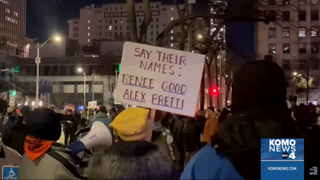
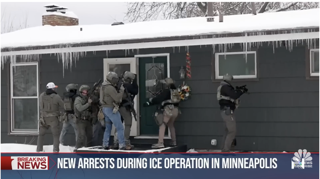
The controversy surrounding Stitt's comments stems from a shooting incident in Minneapolis, where a protester was killed while allegedly obstructing an ICE operation. Critics argue that local leaders, including Minnesota Governor Tim Walz and Minneapolis Mayor Jacob Frey, have fostered an environment that encourages interference with federal immigration enforcement efforts. Supporters of stricter immigration policies contend that cooperation between local and federal authorities is essential for effective enforcement of immigration laws.
Stitt's comments reflect a broader struggle within the Republican Party regarding immigration policy. While many GOP leaders advocate for strict enforcement, others, including House Oversight Committee Chair James Comer, have suggested a more measured approach. Comer has indicated that state leaders should manage the consequences of illegal immigration without relying heavily on federal intervention. This divergence in opinions has led to confusion among constituents about the party's unified stance on immigration, as differing views create a complex landscape for voters trying to understand where their representatives stand.
Responses from Political Leaders
In response to Stitt's remarks, some Republican lawmakers have expressed disappointment, arguing that a clear commitment to enforcing immigration laws is crucial for maintaining voter trust. Critics within the party believe that failing to take a strong stance could alienate voters who prioritize border security and view immigration enforcement as a critical issue. However, supporters of Stitt's approach argue that a more nuanced discussion about immigration is necessary to address the complexities of the issue, suggesting that a rigid stance may not resonate with all constituents.
The ongoing debate highlights the challenges faced by Republican leaders as they navigate the contentious landscape of immigration policy. Many party members are concerned that failing to present a united front on this issue could weaken their position ahead of upcoming elections, particularly as immigration remains a pivotal topic for many voters.
Broader Implications
The situation in Oklahoma reflects a national trend where immigration enforcement has become a polarizing issue. As the Biden administration continues to face scrutiny over its handling of border security, Republican leaders are under pressure to articulate a clear and cohesive strategy regarding immigration policy. The stakes are high, as immigration policy is a key issue for many voters, particularly in states like Oklahoma that have shown strong support for tougher measures.
As the debate continues, it remains to be seen how Stitt and other Republican leaders will respond to the criticism and whether they will adjust their messaging on immigration enforcement. The outcome could have significant implications for the party's standing with voters and its overall strategy heading into future elections. While some Republicans have called for a more assertive approach to immigration enforcement, others caution against alienating moderate voters who may favor a more balanced discussion on the issue. The challenge for the GOP will be to find a way to unify its base while addressing the concerns of a diverse electorate, ensuring that they can effectively communicate their stance on immigration in a way that resonates with all constituents.