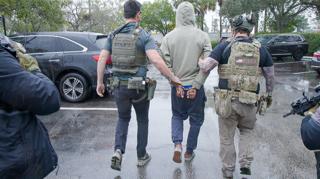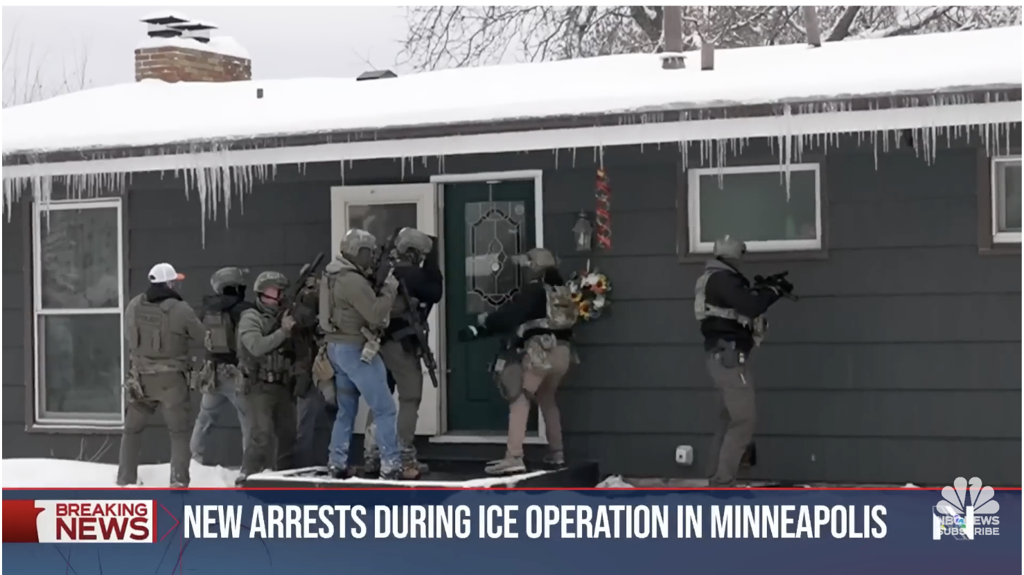
Immigration and Customs Enforcement (ICE) agents have recently apprehended individuals convicted of serious crimes, including child sexual abuse, as part of a broader effort to remove what officials describe as the "worst of the worst" unauthorized immigrants from U.S. communities. The arrests were detailed in a report from the Department of Homeland Security (DHS) and were highlighted by DHS Assistant Secretary Tricia McLaughlin, who emphasized the agency's commitment to public safety and the protection of vulnerable populations.
Explainer Understanding ICE: Enforcement, Operations, and the Immigration Debate
The crackdown comes amid ongoing debates about immigration enforcement and the balance between public safety and the treatment of unauthorized immigrants. Critics argue that such operations disproportionately target vulnerable populations, including families and individuals seeking refuge. Supporters, on the other hand, maintain that removing dangerous individuals is essential for community safety and the well-being of citizens.
In the latest roundup, ICE detained several individuals with serious criminal records. Among those arrested was Leonel Antonio Carranza Nunez, a Mexican national convicted of continuous sexual abuse of a child in California. Another individual, Wilman Rodas-Argueta, an alleged Honduran unauthorized immigrant, was convicted of second-degree sexual exploitation of a minor in North Carolina. Additionally, Lazaro Sebastian Chiroy-Ticum from Guatemala was found guilty of sexually assaulting a minor in Texas. Nerlin Jhonatan Perez-Amaya, also from Honduras, was convicted of unlawful electronic sexual communication in Colorado. These cases highlight the agency's focus on individuals who have committed severe offenses against children.
Record Number of Detentions
The recent operations have contributed to a record number of unauthorized immigrants in custody. CBS News reported that ICE's detention population has reached 73,000, marking the highest level recorded by the agency. This figure represents an 84% increase from the same time in 2025, when the number was below 40,000. The increase has been attributed to the Trump administration's policies aimed at addressing the influx of unauthorized immigrants during the Biden administration, which has seen a surge in border crossings and immigration-related issues.
DHS officials previously reported to Congress that approximately 435,000 unauthorized immigrants with criminal convictions were not in custody, with around 29,000 of those convicted of murder or sexual assault. In response to the growing concerns regarding public safety, the DHS updated its "Worst of the Worst" (WOW) website, adding 10,000 criminal unauthorized immigrants to its list. This update indicates that the issue of unauthorized immigrants with criminal backgrounds is far from resolved and continues to be a significant concern for law enforcement and community safety.
Officials Respond to Criticism
While some media outlets have criticized the high number of detentions, McLaughlin defended the operations, stating, "These are the type of sickos we are getting OUT of our neighborhoods." She noted that about 70% of unauthorized immigrants arrested by ICE during President Trump's first year in office had criminal records or were facing charges, including those with ties to terrorism. This statistic underscores the agency's focus on individuals who pose a threat to public safety.
Despite the focus on violent offenders, some critics argue that the increase in detentions raises concerns about the treatment of individuals without criminal records. McLaughlin acknowledged that there is still much work to be done, asserting that the agency will continue to prioritize the removal of criminal unauthorized immigrants to protect American communities. She emphasized the importance of ensuring that those who violate the law face consequences for their actions.
"If you come to our country illegally and break our laws, we will hunt you down, arrest you, and remove you from our country," McLaughlin stated, reinforcing the administration's tough stance on immigration enforcement and its commitment to public safety.
As the debate over immigration policy continues, the DHS's actions highlight the complexities of balancing public safety with the rights of unauthorized immigrants. While supporters of the crackdown argue it is necessary to protect children and communities, opponents raise concerns about the potential for overreach and the impact on families, particularly those who may be unjustly affected by such enforcement actions.
The ongoing discussions surrounding ICE's enforcement strategies reflect broader societal tensions regarding immigration and public safety. Officials are navigating the challenges of addressing crime while upholding legal and ethical standards in immigration policy. As these issues evolve, the conversation around immigration enforcement will likely remain a contentious topic in American society.