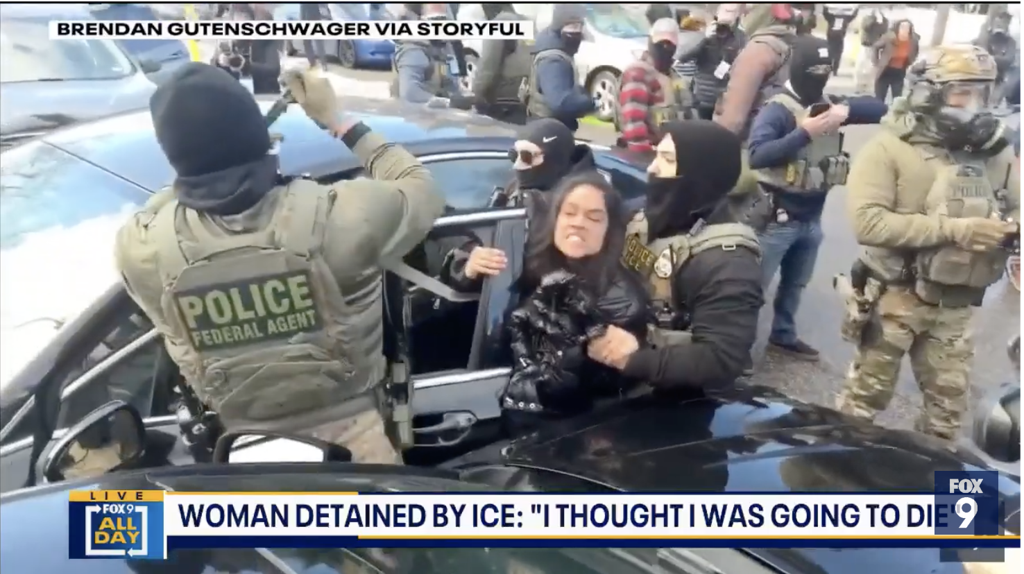
Aliya Rahman, a self-identified activist, claims she was traumatized after federal law enforcement officials dragged her from her vehicle during an ICE operation in Minneapolis. Rahman stated she feels "lucky to be alive" following the incident, which has drawn significant media attention and sparked debate over the actions of Immigration and Customs Enforcement (ICE) agents. This incident has become a focal point in discussions about immigration enforcement and the tactics employed by federal law enforcement agencies.
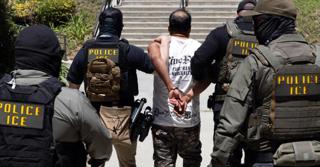
The core tension revolves around differing narratives regarding Rahman's arrest and the broader implications for immigration enforcement. Critics argue that the incident exemplifies aggressive tactics by ICE, while officials maintain that Rahman's actions obstructed law enforcement duties. According to the Department of Homeland Security (DHS), Rahman was arrested for obstruction after ignoring multiple commands to move her vehicle away from the scene where ICE was attempting to detain individuals in the country illegally. A DHS official stated, "As officers carried out their law enforcement duties, a significant crowd surrounded them and began impeding law enforcement operations—a federal crime."
Background of the Incident
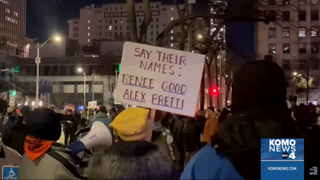
The incident occurred amid heightened tensions in Minneapolis following the fatal shooting of a local activist, which has intensified scrutiny of ICE operations. Video footage of the arrest shows a chaotic scene, with protesters surrounding ICE agents and shouting obscenities. Rahman, who has been described as a "tech guru and LGBT and racial justice activist" with ties to Black Lives Matter, claims she was denied medical care while in custody. However, a statement from a DHS official disputes this claim, asserting that Rahman’s assertion of being denied medical care is false. The official added that the agency has a responsibility to ensure the safety and well-being of individuals in custody. This claim has not been independently verified, and media outlets have focused on Rahman's narrative without fully exploring the context of her arrest.
Media Coverage Under Scrutiny
Critics of corporate media coverage argue that it has portrayed Rahman as a victim without adequately addressing the circumstances of her arrest. The narrative has been framed to suggest that she was merely trying to attend a doctor's appointment when, according to DHS, her actions contributed to the chaos surrounding the ICE operation. A DHS official emphasized that Rahman was not the only individual arrested during the incident, noting that several others were taken into custody for assaulting law enforcement. "One agitator ignored multiple commands by an officer to move her vehicle away from the scene; she was arrested for obstruction," the official stated.
The portrayal of the incident has also extended to claims regarding the arrest of members of the Oglala Sioux Tribe. Reports suggested that ICE had detained tribal members, prompting outrage from tribal leaders. However, a DHS official stated, "We have not been able to verify any claims that DHS law enforcement arrested or even encountered members of the Oglala Sioux Tribe."
Tribal Leaders Respond
In a recent development, Oglala Sioux Tribe President Frank Star Comes Out clarified that earlier statements about ICE's actions had been misinterpreted. He noted that the tribe had been in "cooperative communications" with federal officials regarding the issue and that there was no demand for an immigration agreement as previously reported. This clarification highlights the complexities of the situation and the potential for miscommunication in media narratives.
Despite the clarifications from tribal leadership, some media outlets continue to emphasize allegations of ICE's aggressive tactics against Native Americans. Reports have surfaced indicating that some Native American tribes are reconsidering their relationships with federal immigration enforcement, reflecting broader concerns about the treatment of indigenous populations in immigration matters.
The ongoing debate over the incident and its coverage underscores the challenges of accurately reporting on immigration enforcement and the narratives that emerge from such events. While critics argue that the media has failed to hold ICE accountable, supporters of the agency maintain that its operations are necessary for national security and public safety. As the situation develops, both sides of the debate continue to assert their perspectives, with advocates for immigration reform calling for changes to ICE practices, while law enforcement officials defend their actions as lawful and necessary. The incident serves as a focal point for discussions about immigration policy and the role of federal agencies in enforcing the law.